Rubber Car Door Seals: Enhancing Comfort, Safety, and Efficiency Worldwide
Rubber Car Door Seals: Why They Matter More Than You Think
When we think about a car, our mind often jumps to speed, design, or horsepower. But have you ever paused to consider that tiny strip of rubber hugging your car door? That’s the unsung hero known as the rubber car door seal. These unassuming components do a lot more than just keep out the rain – they’re vital for comfort, safety, and efficiency worldwide. Given the growing emphasis on sustainability, noise reduction, and vehicle durability, understanding rubber car door seals isn’t just for engineers or mechanics anymore; it matters globally.
Simply put, mastering the technology behind these seals allows automakers to meet stricter environmental standards, enhance passenger experiences, and ensure longevity, especially in harsh climates. But this is just the surface — let’s dig deeper.
The Global Importance of Rubber Car Door Seals
Did you know the automotive industry ships nearly 100 million vehicles globally every year? (Source: OICA, International Organization of Motor Vehicle Manufacturers). That means tens of millions of door seals are produced annually, making rubber car door seals an essential component of international supply chains. Beyond volume, their performance is under increasing scrutiny due to regulations like ISO 9001 for quality management and tightening noise pollution standards in Europe and North America.
Yet, a challenge has persisted: many car doors leak air or water if their seals degrade too quickly. Especially in regions with extreme weather — think Siberia’s bitter cold or the monsoon-drenched tropics of Southeast Asia — inadequate sealing can undermine vehicle integrity, causing corrosion or uncomfortable drafts. This problem sparks demand for better materials and designs, pushing innovation in sealing technology worldwide.
What Exactly Are Rubber Car Door Seals?
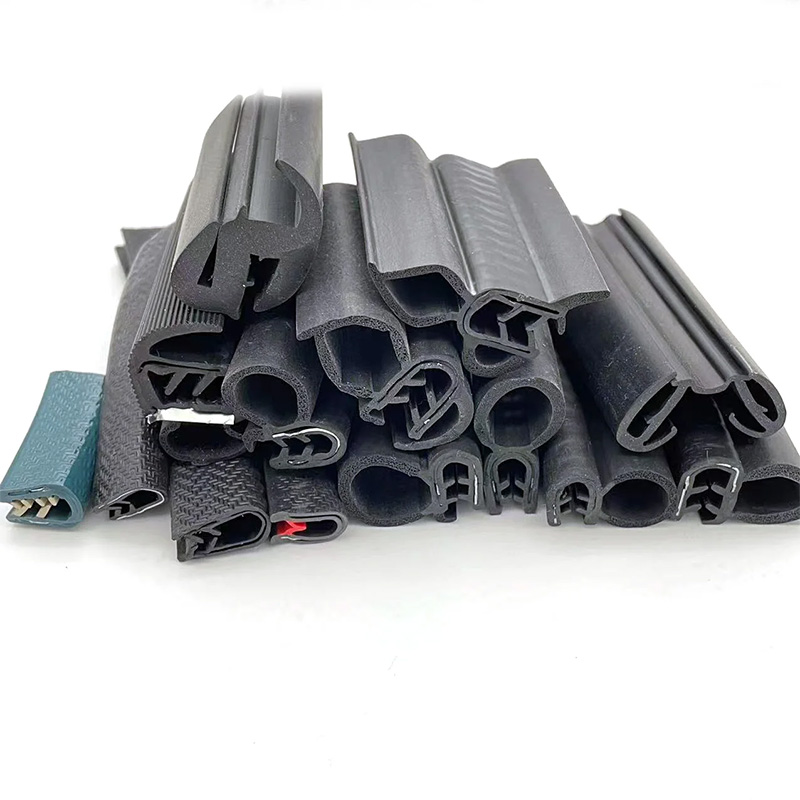
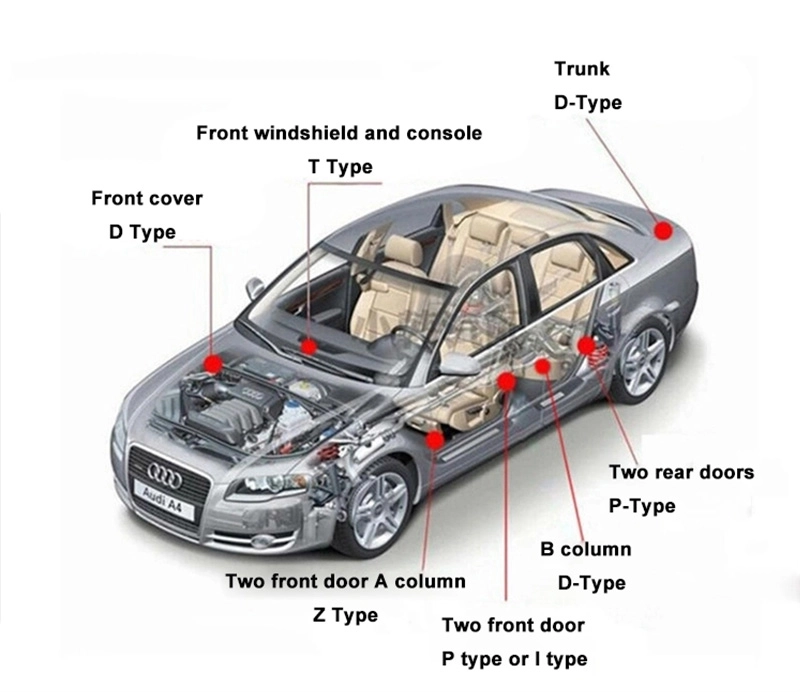
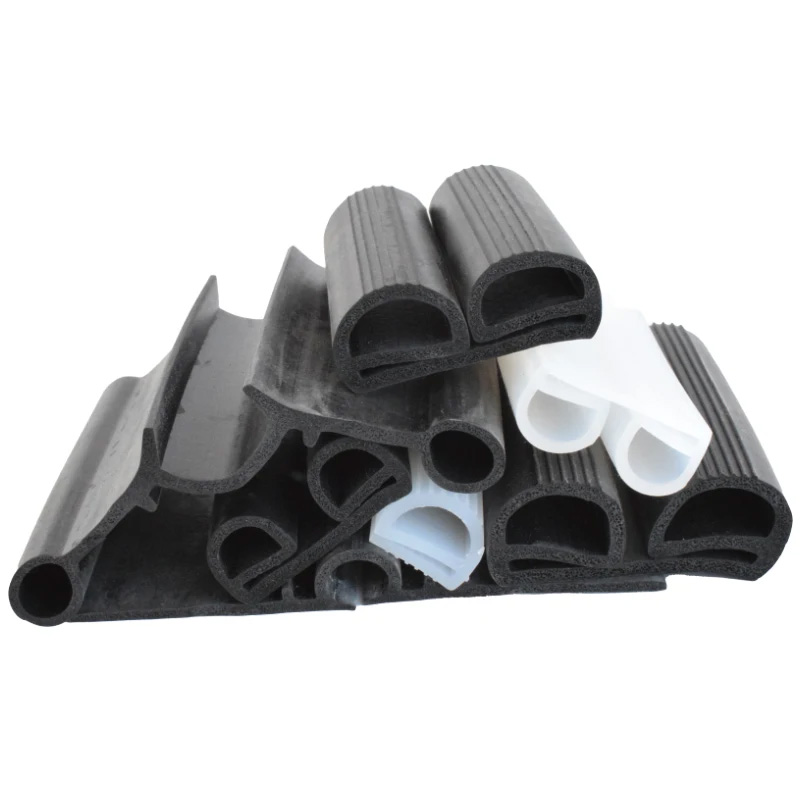
At their core, rubber car door seals are flexible strips made predominantly of rubber or elastomeric materials. Attached to the car’s door frame, they create a tight, continuous barrier when the door closes. This prevents air, water, dust, and noise from entering the cabin. The rubber compounds are selected for their flexibility, durability, resistance to temperature extremes, and ability to conform tightly against the door surfaces.
From a humanitarian perspective, good seals enhance vehicle insulation, improving comfort in extreme environments — vital, for instance, for ambulances or emergency vehicles operating under harsh conditions. In industrial terms, they contribute to fuel efficiency by improving aerodynamics and reducing HVAC loads inside the car, reflecting broader energy-saving goals.
Core Aspects of Rubber Car Door Seals
1. Durability
Because these seals face constant opening and closing, exposure to sun, rain, ozone, and pollutants, durability is paramount. Many carmakers rely on EPDM rubber (Ethylene Propylene Diene Monomer) because it can last upwards of 10 years without cracking or losing elasticity.
2. Seal Quality
The tightness of the seal impacts both comfort and safety. Stricter building insulation standards in cars require seals to meet high resistance to water ingress and noise leakage.
3. Cost Efficiency
For manufacturers, the seals must balance performance with cost. Innovations like co-extruded seals with integrated foam layers offer both good sealing and insulation but at reduced material costs.
4. Environmental Resistance
Whether thermal shocks in extreme heat or freezing cold, the seals must not deform or lose function, which is why material blends are continually refined.
5. Ease of Installation
Modern production lines favor seals that can be easily assembled or pre-applied to door frames, speeding up manufacturing and lowering errors.
Real-World Applications Around the Globe
Rubber car door seals are everywhere cars are — but their importance shifts by climate and use. In chilly Scandinavia, seals keep out the biting winter, vital not just for driver comfort but for protecting electronic door locking systems. In places like India, where dust storms are common, seals help maintain interior cleanliness and prevent wear.
Heavy-duty vehicles in remote industrial zones, such as mining trucks in Australia or forestry vehicles in Canada, rely on robust seals to fend off dirt and moisture, extending operational life. Notably, in post-disaster relief contexts, trucks delivering supplies in tropical climates require seals that withstand moisture without failing, ensuring reliable transport.
| Specification | Typical Value | Importance |
|---|---|---|
| Material Type | EPDM Rubber | Flexibility & Weather Resistance |
| Hardness (Shore A) | 60±5 | Balance Between Seal Tightness & Durability |
| Operating Temp Range | -40°C to +120°C | Wide Climate Adaptability |
| Compression Set | Seal Longevity After Repeated Use | |
| UV Resistance | High | Outdoor Durability |
Long-Term Benefits of Using Quality Rubber Car Door Seals
Quality seals translate into numerous tangible benefits. They reduce road noise by up to 50% in some models, elevate comfort levels dramatically, and improve HVAC system efficiency by reducing leaks. That means lower fuel consumption or longer EV battery ranges — an often overlooked ecological plus.
Socially, a better-sealed car feels more secure and dignified, whether it's a family SUV or a field ambulance rushing to save lives. Many drivers also report less fatigue on long trips because of diminished drafts and noise. This quietly boosts trust in the car brand — an emotional edge manufacturers can’t ignore.
What’s Next? Innovations and Emerging Trends
Honestly, it feels like the rubber car door seal world is quietly keeping pace with some pretty fascinating trends. For starters, greener materials that reduce environmental impact during production and eventual disposal are becoming more common. Think bio-based elastomers replacing petroleum-based ones.
Also, digital manufacturing techniques like 3D printing are allowing seals to be customized for niche applications much faster than before — trimming costs and waste. Automation in applying seals during assembly also reduces human error, improving quality baseline.
On the horizon, smart sealing systems embedded with sensors to detect wear or moisture ingress could revolutionize vehicle maintenance. Imagine your car texting you about a worn door seal before it causes costly damage!
Facing Challenges Head-On
But it’s not perfect. One big headache is balancing softness for sealing and hardness for durability — push one too far and the seal either leaks or cracks. Also, some lower-cost seals fail prematurely under UV exposure or extreme cold, which is frustrating for consumers.
Experts suggest blending polymers and using additives like carbon black or silica to improve performance — but these can hike costs or complicate recycling. Supplier consistency is another pain point, which means pretty much every automaker relies on rigorous IEC or ASTM testing to stay ahead.
| Supplier | Material Quality | Customization Options | Global Presence | Typical Lead Time |
|---|---|---|---|---|
| XT Shuoding | High-grade EPDM + Eco additives | Wide – including foam, adhesive, shape | Asia, Europe, N. America | 2–4 weeks |
| GlobalSeal Inc. | Standard EPDM | Moderate | Europe, Americas | 3–5 weeks |
| SealTech Solutions | Advanced blends, silicone options | Extensive - custom profiles | Global | 4–6 weeks |
FAQ: Common Questions About Rubber Car Door Seals
Q1: How can I tell if my car door seals need replacing?
A1: Look for signs like water leaks, excessive wind noise while driving, or visible cracks and hardening on the rubber. If the door feels less snug when you close it, that can be a clue too. Regular inspection every few years helps prevent big headaches.
Q2: Are rubber car door seals universal, or do I need a model-specific one?
A2: Seals are usually designed specifically for each vehicle make and model to guarantee perfect sealing against the door and frame. While some generic seals exist for older cars, it’s best to get model-matched ones or custom profiles for the best performance.
Q3: Can poor-quality door seals affect fuel economy?
A3: Yes, definitely. Leaks caused by degraded seals allow air in and out, forcing the HVAC system to work harder to maintain temperature, thus increasing fuel or battery consumption. Over time, this inefficiency adds up.
Q4: How is environmental sustainability influencing rubber seal production?
A4: Manufacturers are gradually shifting to bio-based rubbers and recycling scrap materials. Some are also reducing VOCs (volatile organic compounds) in production to meet stricter environmental standards. It's an ongoing process, but progress is visible.
Q5: Can I clean rubber car door seals myself to prolong their lifespan?
A5: Yes! Simply wipe seals with mild soap and water periodically, then apply a rubber protectant to maintain flexibility. Avoid harsh chemicals or petroleum-based cleaners which can cause degradation.
Conclusion: Sealing the Future of Automotive Comfort and Efficiency
Rubber car door seals might seem trivial until they fail—then you notice every droplet of rain, draft, or annoying squeak. But quality seals are foundational to modern vehicles’ comfort, safety, and even environmental footprint. With ongoing innovations in materials, design, and smart tech integration, the future looks quite promising for these humble strips.
If you’re curious to dive deeper or source top-tier rubber car door seals, visit XT Shuoding’s website. Whether you’re a manufacturer, mechanic, or just an enthusiast, understanding these seals unlocks a new appreciation for vehicle design and performance.
Share
-
Eco Friendly Drawstring Jute Bag Guide for Sustainable PackagingNewsApr.16,2026
-
Elegant Wedding Jute Bags for Sustainable and Rustic Event PackagingNewsApr.09,2026
-
Sustainable Jute Bags for Coffee Packaging and Branding SolutionsNewsApr.07,2026
-
Explore the Benefits of Sustainable Saran Jute Bags for Your BusinessNewsApr.04,2026
-
Sustainable Jute Soap Bags Packaging Solutions for Eco Friendly BrandsNewsMar.31,2026
-
Discover the EcoFriendly Charm of Jute Favor Bags for Every OccasionNewsMar.28,2026