Rubber Bottom Door Seal: Energy-Saving, Durable Solutions for Every Door
The Quiet Unsung Hero of Doorways: Why Rubber Bottom Door Seals Matter
Take a moment next time you come in from the cold or a dusty street—chances are, that small barrier at the bottom of your door, a rubber bottom door seal, is the reason your home stays cozy, quiet, and cleaner than it would otherwise be. You might not think about these humble seals much, but globally, they’re part of a vast puzzle that includes energy savings, building efficiency, and even human comfort across different climates and economic settings.
It’s quite fascinating if you consider that sealing the tiny gap beneath a door can reduce energy wastage by up to 15%. According to ISO standards, proper sealing contributes to better air quality inside buildings — crucial in places prone to pollution or harsh weather.
So let’s dig into why a rubber bottom door seal is a small but mighty product with industrial and humanitarian significance.
Understanding What a Rubber Bottom Door Seal Really Is
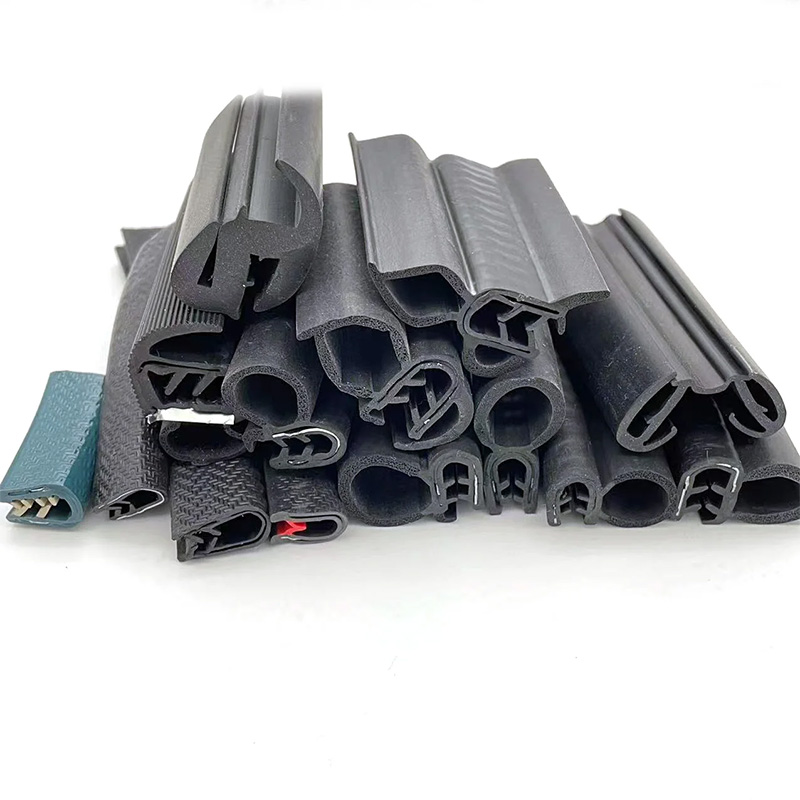
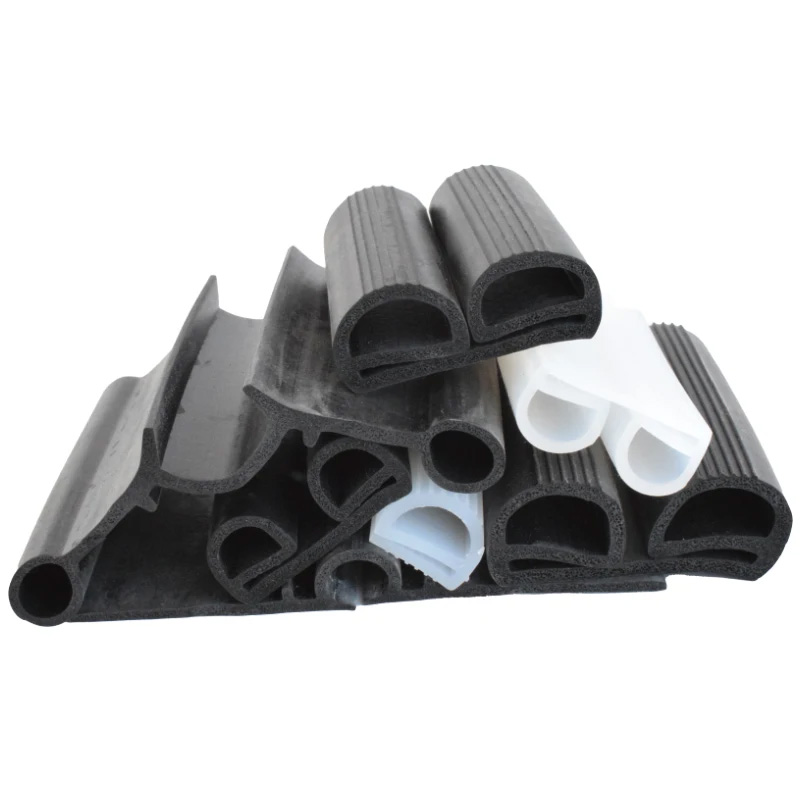
In simple terms, a rubber bottom door seal is a flexible strip, often made of synthetic rubber or thermoplastic elastomers, designed to attach to the lower edge of a door. Its primary job? To block drafts, dust, water, and pests from sneaking indoors. Think of it as a soft bouncer keeping the unwanted elements outside.
In industry, these seals are essential for energy-efficient buildings, cold storage, and even healthcare settings where sterile environments matter. In humanitarian contexts like refugee shelters or disaster relief housing, a reliable seal can mean better shelter from the elements and improved hygiene.
Mini Takeaway:
- Rubber bottom door seals help conserve energy, improve indoor air quality, and protect spaces from external elements.
- They are simple technology but with outsized impact, especially in diverse global environments.
Core Aspects That Make Them Work
1. Durability
Rubber seals are subjected daily to foot traffic, weather variations, and door movement. Quality rubber offers elasticity and resistance to cracking or hardening, lasting for years without needing replacement. Many engineers say material aging is a crucial factor in reliability—your seal shouldn’t disappear after a season!
2. Adaptability
Doors come in all shapes, sizes, and frames, so these seals have to be flexible and easy to customize. From sliding doors in Asia’s monsoon climates to insulated freezer doors in Europe, versatility is key.
3. Energy Efficiency
By stopping drafts, heat loss slows down significantly. According to the International Energy Agency, residential heat losses account for nearly 20% of global energy waste. These tiny seals chip away at that figure.
4. Ease of Installation
In places where skilled labor is scarce, a seal that can be retrofitted without complex tools makes all the difference.
5. Environmental Footprint
Modern products increasingly use recycled or bio-based rubbers, which helps reduce carbon footprint. It’s not just about sealing warmth but also sealing sustainability into the future.
Mini Takeaway:
- Good seals balance toughness, flexibility, and environmental impact.
- Design isn’t just technical — it’s a fine art of practical needs and local conditions.
Worldwide Applications Where Rubber Bottom Door Seals Shine
Across the globe, from sprawling cities to remote villages, the rubber bottom door seal is everywhere.
- Cold Storage & Food Industry: In countries like the Netherlands and Canada, these seals maintain temperature-controlled environments essential for food safety.
- Disaster Relief Housing: NGOs deploy modular shelters with robust seals to keep refugees safe from rain and pests — especially important in humid tropical regions.
- Residential & Commercial Buildings: In Europe and Japan, old wooden houses and modern glass-front offices alike rely on these seals to prevent noise pollution and drafts.
- Transportation: Bus and train doors use modified rubber seals to make rides quieter and stop dirt from entering passenger areas.
Oddly enough, in some developing regions, low-cost rubber door sealing solutions have reduced respiratory illnesses linked to indoor dust and mold.
Mini Takeaway:
- They’re ubiquitous but tailored to many very different real-world problems.
- Impact ranges from comfort and energy savings to basic health and safety.
Why Investing in Rubber Bottom Door Seals Is Smart Long-Term
Sure, the upfront cost is minimal, but the long-term advantages stack up impressively.
| Specification | Typical Values |
|---|---|
| Material | EPDM Rubber, Silicone, TPE |
| Temperature Range | -40°C to 120°C |
| Compression Set | |
| UV Resistance | High |
| Longevity | 5 - 10 years (typical) |
| Installation | DIY-friendly with screws or adhesives |
- Cost Savings: Less energy wasted means smaller bills, less strain on grids.
- Social Impact: Improved indoor air, reduced illnesses, better comfort for families.
- Reliability: Quiet, water-resistant — it’s peace of mind in weather extremes.
And, frankly, inside your home or workspace, that simple rubber seal feels like a trustworthy friend you hardly notice but are glad is always there.
Tracking Future Trends in Door Seal Technology
Technology never sleeps, and neither do the innovations in bottom door sealing.
- Green Materials: Bio-based rubbers and recycled content are becoming mainstream.
- Smart Seals: Integrating sensors that detect air leakage or wear and send alerts — part of the growing “smart home” trend.
- Eco-certifications: Increasing demand for products certified by bodies like LEED incentivizes manufacturers to innovate sustainably.
- Automation-Friendly Designs: For automated sliding doors, seals are adapting to ultra-precise fitting needs.
Mini Takeaway:
- The future lies in smarter, greener, and more adaptive seals.
- Innovative materials and tech could make maintenance almost invisible.
Challenges and How the Industry Is Overcoming Them
It’s not all smooth sailing. Common issues include premature degradation in harsh sun, difficulties in retrofitting older doors, and differences in regional standards. Sometimes, inferior materials flooded the market, hurting overall trust.
To tackle this, manufacturers increasingly use accelerated aging tests, comply strictly with ISO and ASTM standards, and offer modular seal designs that make installation easier for non-professionals.
Oh, and rising interest in sustainability means you’re more likely to find eco-friendly certifications on newer products.
Frequently Asked Questions About Rubber Bottom Door Seals
- What types of rubber are best for door seals in extreme climates?
- The most common and durable options are EPDM rubber for cold resistance and silicone for heat tolerance. Both withstand UV exposure well, making them suitable for varying weather extremes.
- Can I install a rubber bottom door seal myself?
- Yes, many seals come with simple DIY instructions and include adhesive or screw fittings. It usually takes less than 30 minutes with basic tools.
- How often should I replace my door seal?
- Typically, a quality seal lasts 5 to 10 years depending on exposure and wear. Signs you need replacement include cracking, hardening, or visible gaps.
- Are rubber bottom door seals eco-friendly?
- Many manufacturers now produce seals with recycled or bio-based materials, reducing environmental impact while maintaining performance.
- Do these seals help with noise reduction?
- Absolutely. By sealing the door gap, these seals reduce outside noise infiltration, enhancing indoor comfort.
Comparing Top Rubber Bottom Door Seal Vendors
| Vendor | Material Options | Customization | Eco-Friendly Grades | Typical Lead Time |
|---|---|---|---|---|
| SealCo | EPDM, TPE | Standard & bespoke lengths | Certified recycled content | 2-3 weeks |
| RubberGuard | Silicone, EPDM | Custom profiles & colors | LEED-compliant options | 3-4 weeks |
| EcoSeal Solutions | Bio-EPDM, TPE blends | Modular & snap-fit | 100% bio-based material grades | 4-5 weeks |
Conclusion: Sealing a Cleaner, Warmer, Smarter Future
It might seem mundane but a rubber bottom door seal plays a surprisingly huge role in global energy conservation, health, and comfort. As buildings seek smarter, greener performance, these seals quietly lead the charge with innovation and simple reliability.
If you want to boost your building’s durability and efficiency, investing in quality bottom door seals is a no-brainer. Curious about options or ready to upgrade? Visit our website: https://www.xtshuoding.com and explore the latest in sealing technology.
References
Share
-
Eco Friendly Drawstring Jute Bag Guide for Sustainable PackagingNewsApr.16,2026
-
Elegant Wedding Jute Bags for Sustainable and Rustic Event PackagingNewsApr.09,2026
-
Sustainable Jute Bags for Coffee Packaging and Branding SolutionsNewsApr.07,2026
-
Explore the Benefits of Sustainable Saran Jute Bags for Your BusinessNewsApr.04,2026
-
Sustainable Jute Soap Bags Packaging Solutions for Eco Friendly BrandsNewsMar.31,2026
-
Discover the EcoFriendly Charm of Jute Favor Bags for Every OccasionNewsMar.28,2026