Bulkhead Door Rubber Seal: Durable Solutions for Global Industry & Safety
Why Bulkhead Door Rubber Seals Are More Crucial Than You Think
At first glance, a bulkhead door rubber seal might seem like a humble, behind-the-scenes component. But if you pause and reflect, these seals hold an outsized importance across industries worldwide. Whether it’s securing watertight integrity on ships, maintaining climate control in clean rooms, or even protecting disaster relief shelters, these seals do much more than meet the eye.
Globally, industries depend on reliable sealing to prevent damage, maintain safety, and reduce maintenance costs. According to ISO standards on sealing solutions (ISO 3601), optimal rubber seals enhance resilience against extreme conditions—a necessity as climate extremes become more frequent. Understanding this simple component’s impact means better safety, reduced losses, and smoother operations across oceans, factories, and crisis zones alike.
The Global Context: Why Bulkhead Door Rubber Seals Matter
Shipping makes up over 80% of global trade volume by weight (UNCTAD), and bulkhead doors serve as crucial fire and watertight partitions on vessels and industrial structures. The seal’s integrity on these doors ensures no water, fire, or harmful gas breaches compartments that protect crews and cargo.
Outside marine use, bulkhead door rubber seals also appear in aerospace, construction, and heavy industry, offering airtight closures that improve energy efficiency. For instance, climate-controlled warehouses in harsh environments use these seals to cut energy losses by up to 25%, says an ISO energy efficiency report.
But here’s the rub: aging seals or improper installations cause substantial operational hazards—from cargo contamination to catastrophic flooding or gas leaks. So the industry’s often unglamorous focus on rubber seal advancements is a frontline defense against these expensive mishaps.
What Exactly Is a Bulkhead Door Rubber Seal?
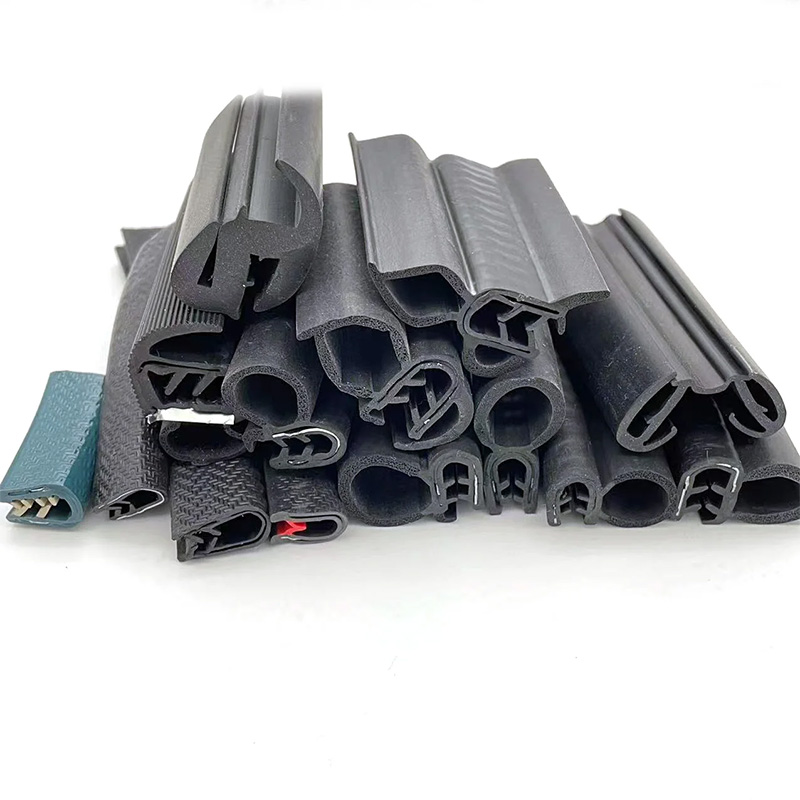
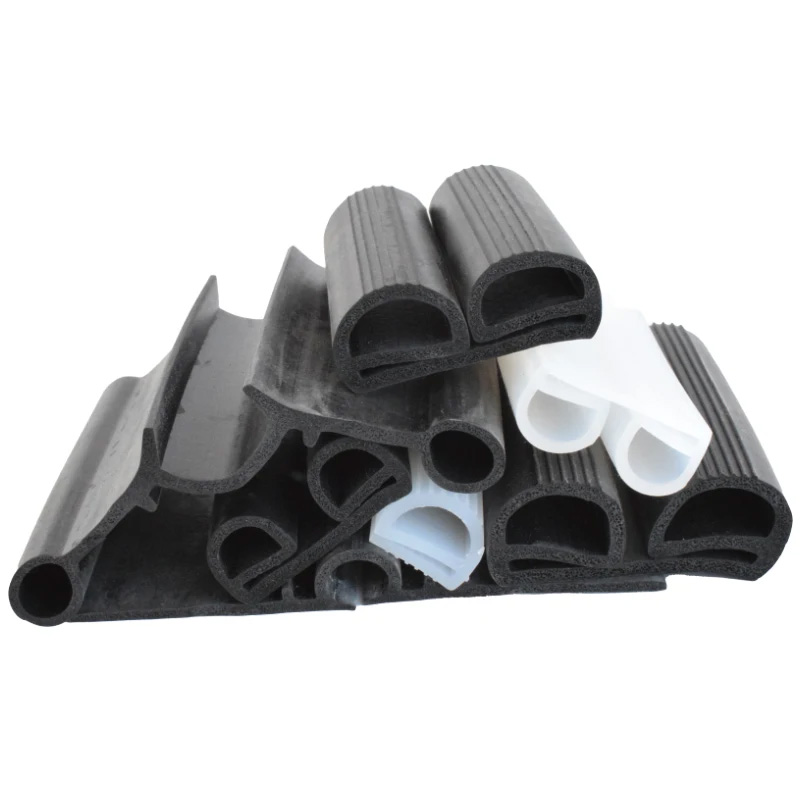
In the simplest terms, a bulkhead door rubber seal is a flexible strip, typically made of durable elastomeric materials like EPDM or silicone, fitted along the edges of a door that divides compartments (bulkheads). Its job? To form a reliable barrier that stops air, liquids, and sometimes smoke from passing through door gaps.
Think about a ship’s hull or an industrial cleanroom. Without a well-fitted seal, the effectiveness of bulkhead doors drops drastically—it’s like trying to keep water out of a leaking bucket. The seal compensates for slight door irregularities and mechanical wear, preserving the compartment’s integrity.
Key Factors to Consider in Bulkhead Door Rubber Seals
Durability & Material Composition
Most seals face harsh environments—saltwater, UV radiation, extreme temperatures, oils, even chemicals. Materials like EPDM (ethylene propylene diene monomer) have become popular for their outstanding weather and chemical resistance, lasting years without cracking or deforming.
Compression Recovery & Seal Tightness
Effective sealing isn’t just about fitting tight but recovering shape after compression. A good seal maintains “memory,” bouncing back even after repeated door swings and pressure changes. This ensures a consistent airtight or watertight barrier.
Compatibility & Installation Ease
One common headache is finding seals compatible with existing bulkhead door profiles—dimensions, molding, hardware. Many manufacturers now offer customizable seal profiles for straightforward installation and replacement.
Cost Efficiency & Lifecycle Performance
While top-tier seals may cost more upfront, they save money down the road by cutting maintenance cycles and avoiding unexpected damage. In many cases, seals pay for themselves multiple times over within their service life.
Environmental Resistance & Sustainability
Increasingly, designers look for seals made from recyclable materials and manufactured through green processes—a trend this industry is slowly but surely embracing.
Safety & Compliance
Depending on application, seals must meet safety certifications, like fireproof ratings or hygiene standards in food processing facilities, adding another layer to selection criteria.
Practical Applications Around the World
In maritime ports from Rotterdam to Singapore, shipping container bulkhead doors fitted with quality rubber seals prevent seawater ingress during storms and ensure safe containment of hazardous materials. Similarly, in aerospace manufacturing hubs, these seals keep sterile environments free of contaminants.
Fast-forward to post-disaster relief operations in cyclone or flood-hit regions. Emergency shelters equipped with rubber-sealed bulkhead doors maintain interior dry zones, critical for preserving donated supplies and providing dignified, safe housing. NGOs benefit greatly from standardized rubber seals that simplify logistics and replacement parts.
Even mining operations in remote locations use heavy-duty bulkhead door seals to minimize dust infiltration and improve worker safety underground.
Mini takeaway:
From oceans to deserts, the bulkhead door rubber seal quietly enables safety, efficiency, and durability worldwide.
Advantages That Outlast The Competition
- Cost Savings: Reduced leakages and maintenance translate to fewer downtime hours.
- Environmental Sustainability: Less energy loss means smaller carbon footprints, critical in today’s climate-aware market.
- Safety & Trust: Workers and passengers alike feel more secure knowing compartments are well sealed.
- Innovation Potential: New materials and designs continuously improve seal longevity and functionality.
- Longevity: High-grade seals often reach 5–7 years in harsh conditions before replacement.
Product Specifications: Typical Bulkhead Door Rubber Seal
| Specification | Typical Value | Notes |
|---|---|---|
| Material | EPDM Rubber | Excellent weather and chemical resistance |
| Temperature Range | -40°C to 120°C | Suitable for marine environments |
| Compression Set | Maintains sealing performance after repeated pressure | |
| Hardness (Shore A) | 55-65 | Balanced softness for flexibility and durability |
| UV Resistance | Excellent | Prevents brittleness over prolonged exposure |
Comparing Top Bulkhead Door Rubber Seal Vendors
| Vendor | Material Options | Customization Level | Typical Delivery Time | Price Range |
|---|---|---|---|---|
| Sealite Industries | EPDM, Silicone, Neoprene | High (custom profiles & colors) | 2-3 weeks | $$$ (Premium) |
| RubberTech Solutions | EPDM, TPE | Medium (standard sizes, some custom) | 1-2 weeks | $$ (Mid-level) |
| SealPro Manufacturing | EPDM only | Low (stock profiles only) | 1 week | $ (Budget) |
Looking Ahead: Future Trends in Bulkhead Door Rubber Sealing
Frankly, the field is evolving faster than many expect. New composite elastomers blend sustainability and durability better than ever before, cutting down reliance on petroleum-derived raw materials. Smart seals embedded with sensors could soon monitor real-time sealing health, alerting crews before failures occur. I noticed a big push toward automation in installation, reducing manual error and speeding up maintenance.
Additionally, energy regulations are tightening worldwide, pushing demand for seals with superior insulation properties. The intersection of green energy adoption and digitization promises smarter, greener sealing solutions within this decade.
Common Challenges and How Experts Approach Them
One major challenge is temperature extremes causing premature seal cracking or hardening, especially where installation quality varies widely. Another is chemical exposure in industrial settings that rapidly degrade certain materials.
Experts advocate for strict material standards, improved testing protocols, and sometimes hybrid seal designs combining hard and soft elements to balance flexibility with toughness. There’s also a growing focus on rapid replacement seals that reduce dock or production time during maintenance.
FAQ: Practical Answers About Bulkhead Door Rubber Seals
- What are the most durable materials for bulkhead door rubber seals?
- EPDM is typically the first choice for durability due to excellent weather, UV, and chemical resistance. Silicone seals offer better performance at extreme temperatures but cost more. Neoprene can work well but may degrade faster under chlorine exposure.
- How often should bulkhead door rubber seals be replaced?
- Generally, seals last 5 to 7 years in marine environments but require regular inspections. Harsh or chemically aggressive settings may shorten lifespan, signaling replacements sooner.
- Are bulkhead door rubber seals customizable for unusual door shapes?
- Yes, many vendors offer customized seal profiles tailored to specific bulkhead door designs to ensure tight fit and optimal sealing performance.
- How can NGOs source reliable seals internationally?
- Working with established manufacturers providing certification and adaptable shipping logistics is key. Also, choosing vendors with international support and spare parts availability simplifies ongoing maintenance.
- Do these seals contribute to energy savings?
- Absolutely. By preventing air leaks and maintaining airtight compartments, rubber seals reduce heating/cooling costs significantly, improving energy efficiency.
Wrapping Up: Why Bulkhead Door Rubber Seals Are a Smart Investment
In real terms, investing in quality bulkhead door rubber seal products is a small upfront cost relative to the long-term savings and safety they deliver. Across oceans, factories, and emergency sites, these unassuming seals quietly protect assets, energy, and lives.
If you’re in the industry or managing facilities where compartment integrity counts, it’s worth exploring the latest sealing technologies and trusted vendors now—because a leak at the wrong moment never feels great. For more insights, practical product details, and customization options, visit our website: https://www.xtshuoding.com.
References
Share
-
Eco Friendly Drawstring Jute Bag Guide for Sustainable PackagingNewsApr.16,2026
-
Elegant Wedding Jute Bags for Sustainable and Rustic Event PackagingNewsApr.09,2026
-
Sustainable Jute Bags for Coffee Packaging and Branding SolutionsNewsApr.07,2026
-
Explore the Benefits of Sustainable Saran Jute Bags for Your BusinessNewsApr.04,2026
-
Sustainable Jute Soap Bags Packaging Solutions for Eco Friendly BrandsNewsMar.31,2026
-
Discover the EcoFriendly Charm of Jute Favor Bags for Every OccasionNewsMar.28,2026