Door Bottom Rubber Seal – Essential Energy Saving & Weatherproofing Solution
What is a Door Bottom Rubber Seal and Why Should You Care?
Doors are more than just entry points—they’re barriers against nature, noise, dust, and bugs. The humble door bottom rubber seal might sound like a tiny, mundane accessory, but it plays a surprisingly crucial role in energy efficiency, weather protection, comfort, and safety worldwide. Frankly, if you’ve ever felt cold drafts sneaking under your door during winter, you’ve experienced what happens when these seals aren’t quite up to snuff.
Globally, with buildings consuming nearly 40% of total energy use according to the International Energy Agency (IEA), even small improvements in sealing doors can lead to substantial energy savings and carbon footprint reductions. Plus, a well-installed door bottom seal improves indoor air quality and reduces noise pollution—important factors in urban and industrial environments alike.
Understanding what a door bottom rubber seal does, what makes a quality product, and how it's evolving can help facility managers, architects, homeowners, and supply chain professionals make smarter choices. So let’s crack open this modest but mighty topic.
The Global Significance of Door Bottom Rubber Seals
At first glance, door bottom seals might seem like a niche subject. Yet, this component touches a surprising number of global challenges, from climate change mitigation to public health. With urbanization booming—UN data predicts that 68% of the world's population will live in urban areas by 2050—the demand for energy-efficient buildings has never been higher. Door bottom seals help reduce energy waste by stopping drafts and preventing conditioned air from leaking out.
Industrial sectors, hospitals, schools, and even refugee housing programs rely on these seals to maintain hygienic, quiet, and comfortable environments. For example, in humid or dusty climates, a tight seal blocks moisture and contaminants, helping to extend the life of interiors and HVAC systems.
But here’s the challenge: despite their obvious benefits, many installations still use subpar materials or outdated designs, leading to poor durability and frequent replacements. The double whammy—higher costs and environmental waste.
Defining the Door Bottom Rubber Seal
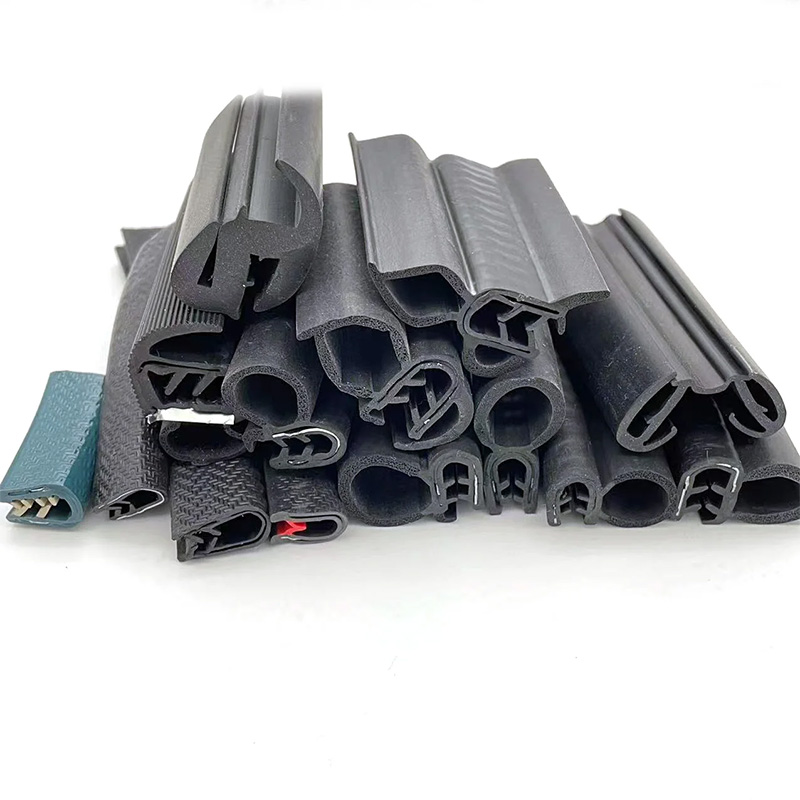
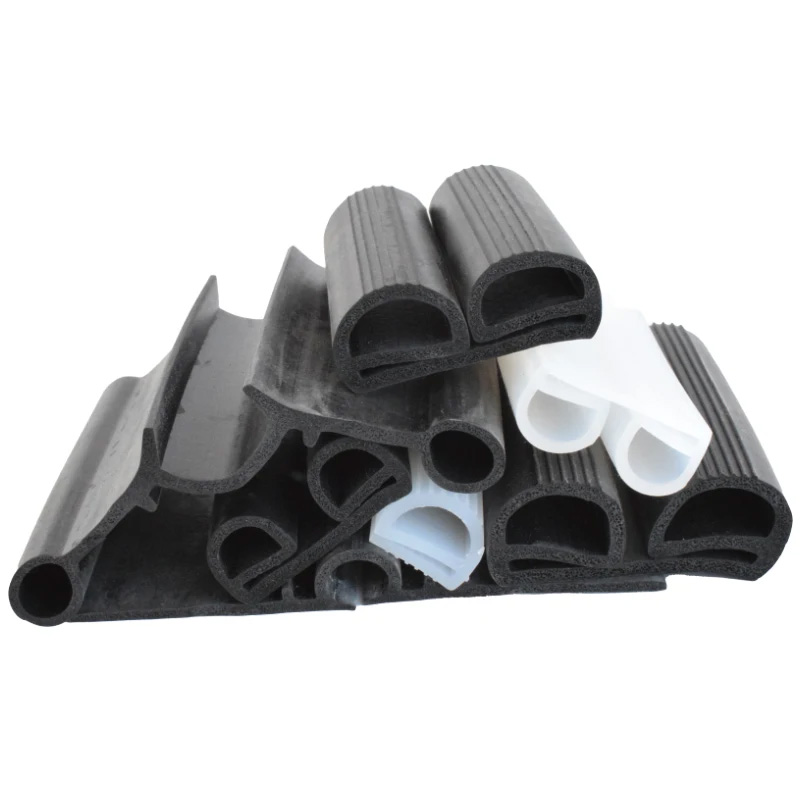
Simply put, a door bottom rubber seal is a strip of flexible, weatherproof rubber attached to the bottom edge of a door. Its purpose? To close the gap between the door and the floor or threshold, preventing unwanted elements like air, water, insects, and dust from entering.
Typically paired with a metal or plastic carrier or inserted into a door’s bottom groove, these seals flexibly adapt to uneven surfaces and compress under pressure to provide an effective barrier. In industrial contexts, they’re especially important for maintaining cleanrooms or controlled environments.
On a humanitarian level, such as in disaster relief shelters, these seals help improve livability by keeping out bugs and dirt while retaining warmth.
Core Components That Make a Difference
Durability & Material Quality
Most door bottom rubber seals use EPDM (ethylene propylene diene monomer), silicone, or thermoplastic elastomers—each offering unique durability traits. EPDM is popular for UV resistance and temperature flexibility (-40°C to 120°C), making it suitable for outdoor applications. Silicone shines with excellent aging resistance, while thermoplastic variants offer ease of installation.
Weather Resistance
A good seal resists rain, snow, dust, and wind. Hydrophobic properties and sealing thickness determine its effectiveness at keeping water out. For coastal or tropical environments, UV and salt resistance are vital.
Ease of Installation & Adaptability
Many modern seals come with self-adhesive backing or drop-in channels for quick replacement. Some models adjust for uneven surfaces or have flexible fins to maintain contact even when the door warps slightly.
Cost Efficiency
High-quality seals might cost more upfront but save money long term by reducing energy bills and maintenance needs. Plus, fewer replacements mean lower environmental impact.
Compliance & Standards
International standards, like ISO 9001 for quality management and ASTM tests for durability, are increasingly applied to door seal manufacturing, assuring consistent performance.
Real-World Applications & Beneficiaries
From chilly Scandinavia practices where sealing prevents heat loss in frosty winters, to the dusty deserts of Australia where keeping sand out is a daily battle, door bottom rubber seals have their place everywhere.
- Industrial Zones: Protecting sensitive machinery from dust and moisture.
- Healthcare Facilities: Helping maintain sterile conditions and patient comfort.
- Residential Buildings: Energy savings and noise reduction.
- Disaster Relief Camps: Enhancing shelter comfort and hygiene.
For instance, in remote mining operations in Chile, equipment sheds fitted with robust door seals have reported fewer malfunctions caused by dust ingress. Meanwhile, NGOs working with door bottom rubber seal suppliers have improved shelter durability through better sealing kits.
Mini Takeaway:
In diverse environments, from industrial to humanitarian, good door bottom seals quietly but critically enhance comfort, safety, and sustainability.
Advantages & Long-Term Impact
What’s so great about these simple rubber strips? For starters, energy savings can be measurable: studies note up to 15% reduction in heating/cooling bills when draft-proofing doors effectively. Environmentally, that means fewer fossil fuels burned and reduced greenhouse gas emissions.
On a human level, reliability brings peace of mind. Imagine knowing your hospital ward is protected from external contamination thanks to a seemingly small piece of engineering.
Socially, improved indoor conditions contribute to health and dignity—especially in temporary housing or schools.
Product Specification Table
| Feature | Specification | Notes |
|---|---|---|
| Material | EPDM Rubber | Excellent UV & ozone resistance |
| Dimensions (WxH) | 30mm x 6mm | Fits standard door bottoms |
| Temperature Range | -40°C to 120°C | Suitable for most climates |
| Installation | Adhesive & mechanical fixing | Flexible mounting options |
| Lifespan | 5-7 years typical | Depends on conditions & usage |
Comparing Leading Door Bottom Rubber Seal Vendors
| Vendor | Material Quality | Price Range | Customization | Global Reach |
|---|---|---|---|---|
| XT Shuoding | High-grade EPDM & Silicone | Mid-range | Tailored profiles & colors | Strong - Asia, Europe, Americas |
| SealTech Corp. | Standard EPDM | Budget-friendly | Limited | Primarily North America |
| Global Seal Co. | Silicone & thermoplastics | Premium | Custom engineering available | Worldwide |
Looking Ahead: Innovations Shaping the Future of Door Bottom Rubber Seals
It’s not just about rubber anymore. Increasingly, manufacturers are exploring bio-based materials and recyclable elastomers to align with sustainability goals. I’ve noticed some brands testing nanocoatings that repel water and dirt, extending product lifespan. Automation in manufacturing promises tighter tolerances and more consistent quality.
Smart buildings might soon integrate sensors that signal when a door seal needs replacement, optimizing maintenance cycles and energy use.
Common Challenges and How to Tackle Them
Despite the benefits, there are hurdles. Installation errors remain widespread—many users complain about seals peeling too soon or poor fit on irregular surfaces. That’s often a case of choosing the wrong profile or type for the door style. Experts recommend site-specific assessments and professional installation whenever possible.
Another issue is recycling at end of life. While rubber can be tough on landfills, newer formulations and take-back programs from companies like door bottom rubber seal makers help close that loop.
FAQ: Frequently Asked Questions About Door Bottom Rubber Seals
- How do I know if my door bottom seal needs replacing?
- If you feel drafts, see damage like cracks or flattening of the seal, or notice increased energy bills, it’s probably time to change it. Seals typically last 5-7 years but can vary based on exposure.
- Can I install a door bottom rubber seal myself?
- Yes, many seals are designed for DIY installation with adhesive backing or snap-in strips. However, uneven floors or irregular door bottoms may require professional help to ensure an airtight fit.
- Are door bottom seals effective against sound?
- They reduce noise to some extent by blocking gaps at the door bottom, but for full soundproofing, additional treatments (like door sweeps or acoustic panels) might be necessary.
- What materials are best for extreme weather?
- EPDM rubber is excellent for cold and UV resistance, while silicone withstands extreme heat and ages well over time. Match the material to your environment for best results.
- Where can I find reliable door bottom rubber seals?
- Look for vendors with proven quality and certifications such as XT Shuoding (see here), which offers a range of customizable solutions internationally.
Final Thoughts and Next Steps
In the grand scheme, the door bottom rubber seal quietly stands as a frontline warrior against wasted energy, external pollutants, and discomfort. The long-term gains—financial savings, sustainability, indoor comfort—make it a small investment with outsized returns. Whether you’re upgrading a commercial facility, outfitting shelters, or simply sealing your home better, paying attention to this detail will pay dividends.
Want to explore top-notch options and expert advice on choosing the right seal? Visit XT Shuoding for detailed product guides, specs, and personalized support.
Mini takeaway:
Small, simple, but indispensable—door bottom rubber seals quietly make a big difference worldwide.
References
Share
-
Eco Friendly Drawstring Jute Bag Guide for Sustainable PackagingNewsApr.16,2026
-
Elegant Wedding Jute Bags for Sustainable and Rustic Event PackagingNewsApr.09,2026
-
Sustainable Jute Bags for Coffee Packaging and Branding SolutionsNewsApr.07,2026
-
Explore the Benefits of Sustainable Saran Jute Bags for Your BusinessNewsApr.04,2026
-
Sustainable Jute Soap Bags Packaging Solutions for Eco Friendly BrandsNewsMar.31,2026
-
Discover the EcoFriendly Charm of Jute Favor Bags for Every OccasionNewsMar.28,2026