Comprehensive Guide to Rubber Seal for Front Door – Benefits, Specs & Vendors
Why a Rubber Seal for Front Door Matters More Than You Think
We often overlook the humble rubber seal for front door — that thin strip around your threshold that quietly does its job. But its impact? Surprisingly global and significant. From keeping homes energy-efficient to safeguarding interior spaces from dust, noise, and even pests, this small component touches countless lives around the world.
Considering global urbanization trends, rising energy costs, and mounting demand for sustainable building solutions, understanding what a rubber seal for front door brings to the table isn’t just for technicians—it’s for everyone who cares about comfort, savings, and eco-friendliness in buildings.[1]
Global Context: Energy Efficiency and Comfort on the Frontline
According to the International Energy Agency, buildings account for approximately 30% of global energy consumption and 27% of energy-related CO2 emissions.[2] Many of these losses happen due to poorly sealed doors and windows. It’s a straightforward problem: cold drafts, heat leaks, and noise pollution infiltrate living and working environments through gaps that a properly installed rubber seal can block.
Urban centers in Europe are pushing regulations that demand tighter building envelopes. Meanwhile, in developing regions, low-cost materials like rubber door seals are vital for improving indoor air quality and energy retention without massive infrastructure investments.
But not all seals are created equal, and the challenges vary: weather extremes, durability needs, chemical exposure, even fire safety considerations come into play.
What Exactly Is a Rubber Seal for Front Door?
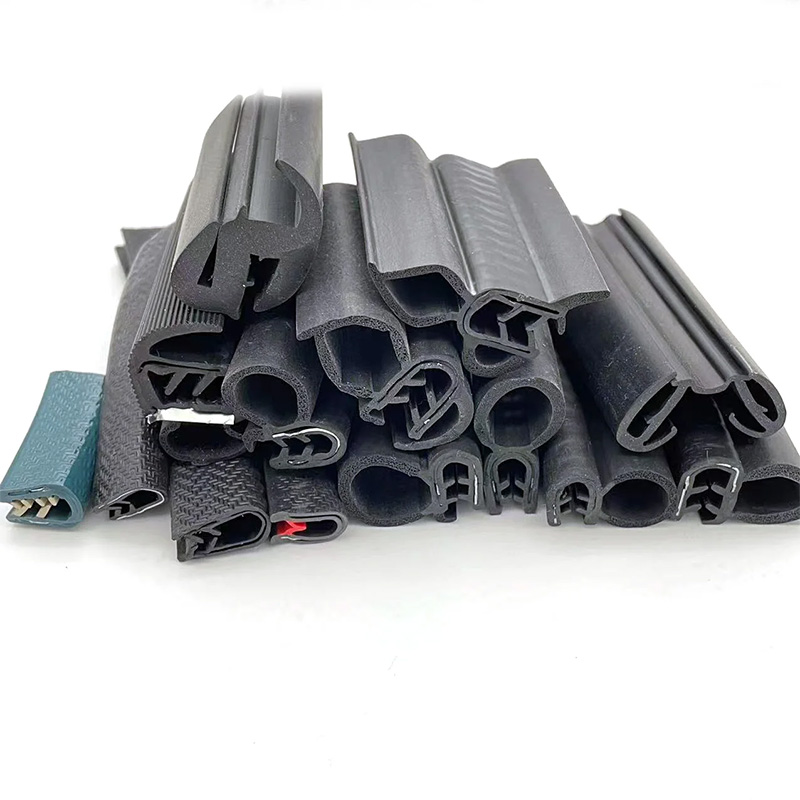
Simply put, a rubber seal for front door is a flexible strip made primarily of elastomers—usually EPDM (ethylene propylene diene monomer)—designed to fit snugly along the edges of doors. It forms a protective barrier against air leaks, water ingress, and noise intrusion.
Its role is deeply tied to both modern building science and humanitarian concerns. For instance, in refugee shelters or emergency housing, resilient, quick-to-install door seals ensure minimum exposure to harsh elements, improving safety and comfort for displaced people.
Rubber door seals have evolved from basic rubber strips to engineered profiles that incorporate features like thermal insulation and resistance to UV rays and ozone, expanding their use across residential, commercial, and even industrial front doors.
Core Components That Make Up Effective Door Seals
1. Durability & Weather Resistance
Good rubber door seals must withstand crazing, shrinking, or cracking over a broad temperature range—from freezing winters in Canada to scorching summers in Australia. EPDM rubber's reputation for weather durability makes it the go-to material, resisting UV, ozone exposure, and moisture alike.
2. Seal Tightness & Flexibility
It’s all about compression and sealing gaps. A quality seal compresses just enough to fill inconsistencies without causing door jamming. The right balance enables energy savings and noise reduction, especially in high-traffic urban areas.
3. Ease of Installation and Replacement
Often overlooked, practicality is key. Profiles that can be cut on-site and fit existing door grooves reduce labor costs and turnaround time on retrofit projects—whether a high-rise in New York or a rural clinic in Kenya.
4. Environmental Impact
With growing emphasis on sustainable materials, some manufacturers have begun offering recycled rubber seals or blends that reduce carbon footprints—a subtle but important step toward greener buildings.
Mini takeaway:
Understanding these components helps select the right rubber seal for front door suitable for your climate, budget, and performance expectations.
Real-World Applications: From Skyscrapers to Shelter Camps
Rubber seals’ utility spans diverse settings. In cold climates such as Scandinavia, impeccable sealing prevents heat loss that might otherwise spike energy bills and carbon emissions. In tropical regions like Southeast Asia, these seals keep out monsoon-driven moisture and insects.
- Disaster Relief: Temporary shelters often lack robust construction, but adding quality rubber door seals helps shield vulnerable occupants from dust, drafts, and pests.
- Commercial Buildings: Office blocks demand minimal noise ingress for productivity—proper seals make a surprisingly big difference.
- Heritage Restoration: When preserving historic doors, flexible rubber seals blend efficiency with aesthetic care.
I recall reading a case where an NGO retrofitted a cluster of rural health stations in sub-Saharan Africa, installing EPDM rubber seals on all front doors. The immediate results showed fewer cold-related illnesses and less medication spoilage due to improved indoor temperature control.
Advantages & What You Gain Long-Term
The advantages go deeper than just obvious comfort. With effective sealing, you reduce energy consumption and thus utility bills—a tangible financial gain. The social dividend is equally noteworthy: healthier living environments foster well-being, reduce noise stress, and even uplift mood.
Rubber door seals also carry an emotional comfort factor. From my experience, clients often mention feeling safer and more “at home” once drafts and the sounds from busy streets are minimized. There’s a trust aspect too — a good seal signals quality and attention to detail.
Product Specification Comparison
| Feature | Standard EPDM Seal | Recycled Rubber Seal | Silicone Blend Seal |
|---|---|---|---|
| Temperature Range | -40°C to +120°C | -30°C to +100°C | -55°C to +200°C |
| UV Resistance | High | Medium | Very High |
| Lifespan (Years) | 8-12 | 5-8 | 10-15+ |
| Typical Cost per Meter | $2.50 | $1.80 | $3.20 |
| Eco-friendliness | Standard | Recycled Materials | Partially Biodegradable |
Comparing Leading Vendors for Rubber Seals
| Vendor | Material Options | Customization | Lead Time | Global Shipping |
|---|---|---|---|---|
| XTShuoding | EPDM, Silicone, Recycled Rubber | Yes, profile & size | 1-2 weeks | Yes |
| SealPro | EPDM, Neoprene | Limited | 2-4 weeks | No |
| GreenSeal | Recycled Rubber only | Yes, eco profiles | 3 weeks | Yes |
What Does the Future Hold for Rubber Door Seals?
Innovation is quite alive here—manufacturers look at smart materials that adapt their density based on temperature, or eco-friendly bio-rubbers sourced from sustainable crops. The incorporation of IoT sensors to monitor door seal integrity in real-time is another trend, especially for sensitive builds like hospitals or laboratories.
On the policy side, many governments are increasing incentives for energy-efficient building materials, nudging suppliers and consumers alike toward higher-performance rubber seals.
Common Challenges and How to Navigate Them
One hurdle is installation quality. Even the best seal fails if poorly fitted. Some engineers advocate for on-site training or modular seal kits that eliminate guesswork.
Another is material mismatch: a seal that doesn’t suit a door’s surface or local climate deteriorates faster. It’s why understanding material specs is crucial rather than buying the cheapest option.
FAQs Around Rubber Seals for Front Doors
- Q: How long does a typical rubber seal last on a front door?
- A: With proper maintenance, EPDM seals usually last 8 to 12 years. Factors like exposure to direct sunlight and extreme weather can shorten lifespan.
- Q: Can I install rubber door seals myself?
- A: Absolutely. Many profiles come with peel-and-stick backing or simple compression fittings. Just ensure the surface is clean and dry before installation.
- Q: Are recycled rubber seals as effective as new rubber?
- A: Many recycled rubber seals perform well but may have slightly reduced UV resistance and lifespan. They represent a sustainable choice when balanced with performance needs.
- Q: What maintenance is required for these seals?
- A: Regular cleaning to remove dirt and occasional lubrication with silicone spray keep seals flexible and airtight over time.
Wrapping Up: Why It Pays to Choose Quality Rubber Door Seals
To sum it up, investing in a high-quality rubber seal for your front door is about more than sealing a gap. It’s about sealing comfort, savings, and sustainability into your space. Whether you’re retrofitting an old home or constructing a modern office, the right seal can bring measurable benefits in energy conservation, health, and peace of mind.
To explore a range of advanced rubber seal options tailored to your needs, visit XTShuoding — it might just be the upgrade your front door has been craving.
References:
Share
-
Eco Friendly Drawstring Jute Bag Guide for Sustainable PackagingNewsApr.16,2026
-
Elegant Wedding Jute Bags for Sustainable and Rustic Event PackagingNewsApr.09,2026
-
Sustainable Jute Bags for Coffee Packaging and Branding SolutionsNewsApr.07,2026
-
Explore the Benefits of Sustainable Saran Jute Bags for Your BusinessNewsApr.04,2026
-
Sustainable Jute Soap Bags Packaging Solutions for Eco Friendly BrandsNewsMar.31,2026
-
Discover the EcoFriendly Charm of Jute Favor Bags for Every OccasionNewsMar.28,2026