Nov . 27 , 2025 03:15
Back to list
Reliable Rubber Seals for Plumbing: Durable, Sustainable, Trusted Solutions
Understanding Rubber Seals for Plumbing: Why They Matter
Rubber seals for plumbing might sound like a small detail in the grand scheme of construction or infrastructure, but believe me, they’re one of those unsung heroes keeping water flowing and leaks at bay worldwide. In simple terms, these seals are what engineers, plumbers, and even humanitarian workers turn to when they need reliable, leak-proof connections in water systems – everything from your kitchen taps to massive water pipelines in cities. Globally, the need for dependable plumbing solutions is intense, especially since the UN estimates that about 2 billion people still lack access to safely managed drinking water services (source: WHO/UNICEF Joint Monitoring Programme). That’s where effective sealing components come in, not just for comfort or convenience but as a real public health safeguard. Mini takeaway: Never underestimate the power of a good rubber seal—it's a tiny piece that keeps whole water systems running safely worldwide.The Global Landscape: Plumbing Challenges and the Role of Rubber Seals
Water infrastructure is an enormous and ever-growing field: pipes, fittings, valves, and joints all need to withstand pressure, temperature changes, and even corrosive substances. According to ISO standards for plumbing systems (like ISO 15875), materials must meet strict durability criteria because faulty seals can cause leaks leading to water waste, contamination, or infrastructure damage. Across continents, from sprawling urban centers in Europe and Asia to emergency setups in disaster zones, plumbers and engineers face problems like inconsistent material quality, rapid temperature fluctuations, and ease of installation — all of which rubber seals must address. In many developing areas, where resources are tight, affordable yet reliable rubber sealing compounds can literally make the difference between clean water access and illness. Let’s be frank: a leaking joint in a hospital or school can have serious repercussions, so the industry has leaned heavily on specialized rubber seals to stop that from happening.What Exactly Are Rubber Seals for Plumbing?
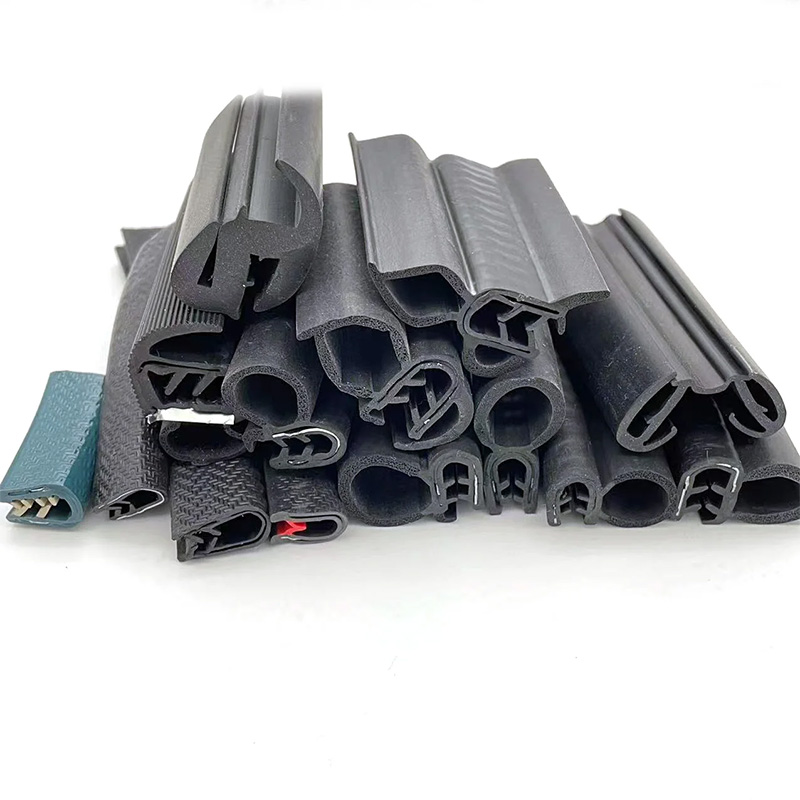
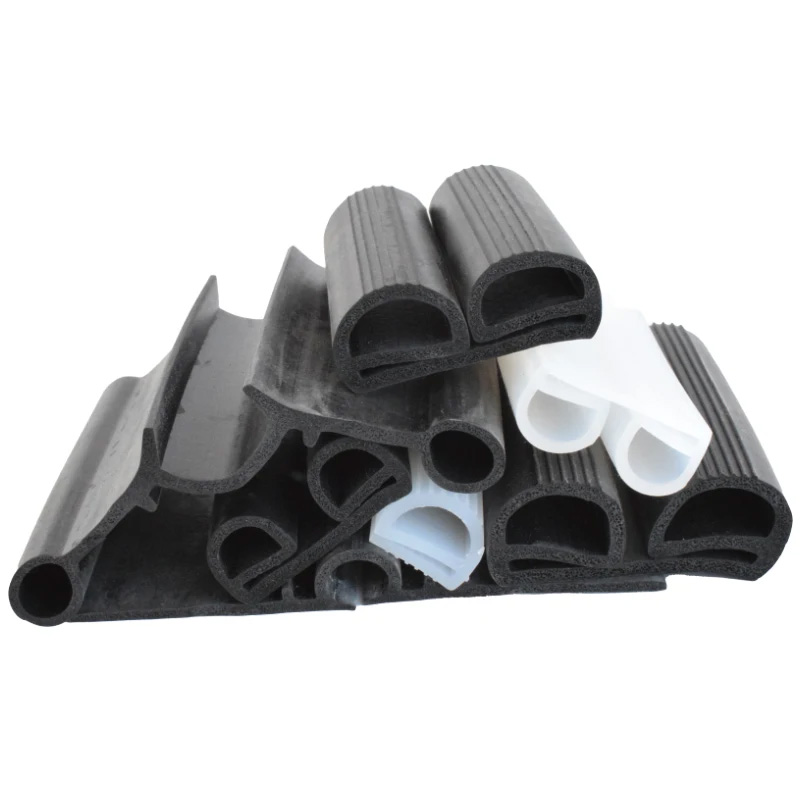
Put simply, rubber seals are flexible rings or gaskets made from types of rubber compounds, fitted into pipe joints or connections to prevent water, gas, or other fluids from seeping out. They create a watertight barrier by filling gaps that rigid connectors can’t account for. There’s a bit of engineering magic here — the rubber compresses just enough under pressure to block leaks without cracking or deforming. These seals come in a variety of forms: O-rings, flat gaskets, lip seals, and more. Their adaptability means they’re heavily used not just in household plumbing but also in industrial piping, water treatment plants, and even humanitarian relief water tanks. In humanitarian contexts, for instance, quick-to-install rubber seals in makeshift plumbing allow clean water delivery in crisis zones — an essential part of basic dignity and health. Mini takeaway: Rubber seals are simple yet critical components bridging the gap between engineering precision and practical water safety worldwide.Key Factors Behind Effective Rubber Plumbing Seals
1. Durability and Material Composition
Most rubber seals are made from EPDM (ethylene propylene diene monomer), nitrile, or silicone, chosen for their resistance to heat, water, and chemicals. EPDM, in particular, is prized for excellent weather and aging resistance — perfect for outdoor or hot water applications.2. Flexibility and Elasticity
What sets rubber seals apart from metal or plastic is their ability to flex and adapt. This elasticity compensates for slight misalignments or movements in pipes, reducing the risk of leaks without tightening fasteners endlessly.3. Temperature and Pressure Resistance
Depending on the pipe’s use, seals must withstand cold winters or boiling water without degrading. Specialized rubber compounds are engineered to survive high pressures without becoming brittle over years.4. Installation Ease and Scalability
For large-scale plumbing projects, time is money. Rubber seals that slide or snap into place reduce installation time drastically and can be standardized for use across millions of fittings — saving labor and money down the line.5. Environmental and Safety Compliance
With growing sustainability awareness, materials must be non-toxic and often recyclable. EPDM and silicone meet many ISO and EPA standards, adding another layer of importance. Mini takeaway: The ideal rubber seal combines resilience, adaptability, and eco-conscious design — traits crucial for all plumbing challenges.Where and How Are Rubber Seals Used Around the World?
Rubber seals span industries and geographies: - Urban water networks: Cities across North America and Europe rely on durable rubber seals in pipelines communicating fresh water and sewage. - Industrial sectors: Oil, chemical, and food processing plants need seals that handle aggressive fluids without contamination. - Humanitarian aid and disaster response: NGOs installing clean water stations use pre-fitted rubber seals allowing rapid deployment in disaster areas (think earthquake or flood zones). - Remote installations: Mining sites or rural water pumping stations utilize specially compounded seals that endure extreme temperature swings and rough handling. A neat example came from a Southeast Asian flood relief project, where pre-fitted sealing kits helped water engineers set up safe drinking water connections within days — critical to preventing cholera outbreaks after heavy rains.Advantages and Lasting Value of Using Rubber Seals
Why do professionals swear by rubber plumbing seals? Several benefits come to mind: - Cost-effectiveness: They reduce expensive water loss and leak repairs, proving cheaper over time despite slightly higher initial unit costs. - Sustainability: Durable seals prevent contamination and water waste, directly supporting global water conservation efforts. - Reliability: Rubber seals adapt to movements and pressure fluctuations gracefully, reducing system failures. - Social benefits: Reliable clean water delivery uplifts entire communities, improving health and quality of life. Oddly enough, these seals also convey a kind of trust. When you know there’s a well-designed gasket in your pipe, you don’t worry about sudden floods or water damage — and in plumbing, peace of mind is priceless.What Does the Future Hold for Rubber Seals in Plumbing?
Research today points towards “smart” sealing materials embedded with sensors to detect pressure changes or early leaks, making maintenance predictive rather than reactive. Meanwhile, sustainability is pushing innovation towards bio-based rubbers and more energy-efficient manufacturing processes. Digital tools like CAD and 3D printing allow manufacturers to prototype new seal shapes rapidly for custom applications — a boon for niche industrial uses or rapid disaster response. More broadly, as global water systems digitize, combining reliable rubber sealing with IoT-enabled valves and piping might soon form “smart plumbing” networks that self-monitor, saving water—and headaches.Common Challenges and How Industry Leaders Are Addressing Them
Even the best rubber seals face hurdles: - Material degradation: Constant exposure to harsh chemicals or sunlight can wear seals prematurely. - Installation errors: Without proper training, poor fit or rubbing can cause leaks. - Supply chain issues: In some regions, sourcing high-quality seals is tough. Experts advise targeted training programs and sourcing from certified manufacturers. There’s also a trend to include field-testing kits and easy seal replacement guides to empower local technicians.Practical FAQ About Rubber Seals for Plumbing
- What types of rubber seals are best for hot water plumbing?
- EPDM rubber seals are typically preferred for hot water lines due to their heat resistance and flexibility, maintaining integrity at high temperatures better than many other compounds.
- How long can a rubber seal last in a standard plumbing system?
- With proper installation and maintenance, rubber seals can last anywhere from 10 to 20 years. Factors such as water quality, temperature, and mechanical stress impact longevity.
- Are rubber plumbing seals suitable for drinking water systems?
- Yes, many seals are made with FDA- and NSF-approved compounds ensuring they don’t leach harmful substances, making them safe for potable water pipelines.
- How do I know if a rubber seal needs to be replaced?
- Signs include visible cracks, hardening, or leaks around joints. Regular inspection helps catch wear early before system failures occur.
- Can I install rubber seals myself, or should a professional do it?
- While some seals are designed for DIY installation, complex plumbing systems benefit from a professional’s expertise to ensure proper fit, preventing costly leaks.
Product Specification Table: Typical Rubber Seal for Plumbing
| Feature | Description | Value / Range |
|---|---|---|
| Material | EPDM Rubber / Nitrile / Silicone | Varies by application |
| Temperature Range | Operating temperature | -40°C to +120°C (-40°F to +248°F) |
| Pressure Rating | Max operating pressure | Up to 16 bar (232 psi) |
| Typical Sizes | Inner diameter range | 5 mm – 500 mm |
| Compliance | Certifications and standards | ISO 15875 / NSF / FDA |
Vendor Comparison: Rubber Seals for Plumbing (Select Manufacturers)
| Manufacturer | Material Options | Price Range (USD) | Lead Time | Special Features |
|---|---|---|---|---|
| SealTech Inc. | EPDM, Silicone | $0.25 - $1.00 per unit | 2 weeks | Custom molding, UV resistant |
| RubberPlus | Nitrile, EPDM | $0.20 - $0.80 per unit | 1 week | Mass production, rapid delivery |
| GreenSeal Solutions | Bio-based EPDM | $0.35 - $1.20 per unit | 3 weeks | Eco-friendly, fully recyclable |
Wrapping Up: Why Rubber Seals Deserve Your Attention
So, if you take away anything from this, it’s that rubber seals for plumbing aren't mere accessories — they’re foundational components that safeguard billions of people’s access to clean, reliable water. From the world’s largest metropolitan systems to emergency setups in remote villages, these little rings of engineered rubber act as frontline defenders against leaks, contamination, and water waste. As technologies evolve and water infrastructure faces new environmental challenges, the humble rubber seal is stepping up — smarter, greener, and ever more reliable. If you’re in the market (or involved professionally), consider diving deeper or chatting with suppliers who prioritize quality and sustainability. For those aiming for the best — whether for industrial use or humanitarian impact — visit our resource hub at rubber seals for plumbing to explore certified products and expert advice. --- ### References 1. WHO / UNICEF Joint Monitoring Programme (JMP) for Water Supply, Sanitation and Hygiene 2. ISO 15875 — Plastics piping systems for hot and cold water installations 3. United Nations Sustainable Development Goal 6: Clean Water and SanitationShare
Latest news
-
Eco Friendly Drawstring Jute Bag Guide for Sustainable PackagingNewsApr.16,2026
-
Elegant Wedding Jute Bags for Sustainable and Rustic Event PackagingNewsApr.09,2026
-
Sustainable Jute Bags for Coffee Packaging and Branding SolutionsNewsApr.07,2026
-
Explore the Benefits of Sustainable Saran Jute Bags for Your BusinessNewsApr.04,2026
-
Sustainable Jute Soap Bags Packaging Solutions for Eco Friendly BrandsNewsMar.31,2026
-
Discover the EcoFriendly Charm of Jute Favor Bags for Every OccasionNewsMar.28,2026