Front Door Rubber Seal: Essential Guide to Energy Efficiency & Comfort
The Front Door Rubber Seal: Why It’s More Crucial Than You Think
At first glance, a front door rubber seal might seem like one of those tiny details you don’t really notice unless it’s missing or worn out. But oddly enough, in both industrial and everyday settings, it’s a small component packed with big importance. These seals act as gatekeepers against drafts, pests, moisture, and noise, making buildings more energy-efficient, comfortable, and secure. Globally, as urbanization surges and energy standards tighten, understanding front door rubber seals offers practical benefits—saving money, cutting carbon footprints, and improving quality of life.
Global Context: The Quiet Role of Front Door Rubber Seals in Energy Conservation
According to the International Energy Agency (IEA), buildings account for roughly 40% of global energy consumption, with a significant share lost through poor insulation and air leakage. The United Nations Environment Programme highlights building envelope improvements as a top measure to reduce carbon emissions. Here’s where front door rubber seals step up. They prevent leakage that can add up to 20% of heating or cooling costs in older or poorly sealed buildings. Yet, many structures worldwide still suffer from inadequate sealing, especially in developing regions or aging urban centers.
The challenge is that while awareness grows, finding durable, affordable, and easy-to-install sealing solutions remains tricky. This is crucial in both residential homes and industrial sites, where environmental control affects comfort, safety, and even product integrity.
What Exactly Is a Front Door Rubber Seal?
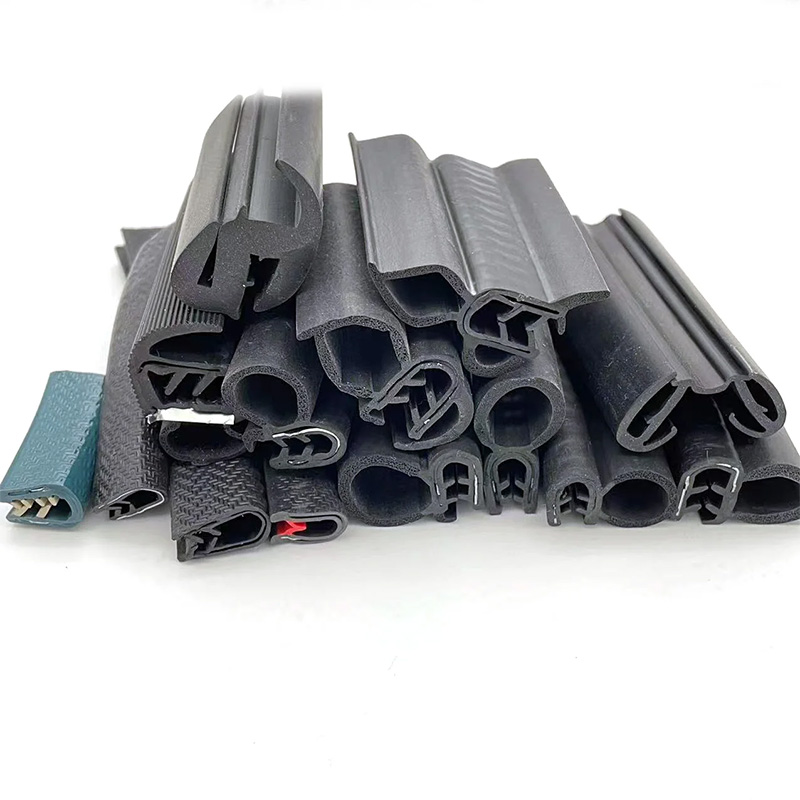
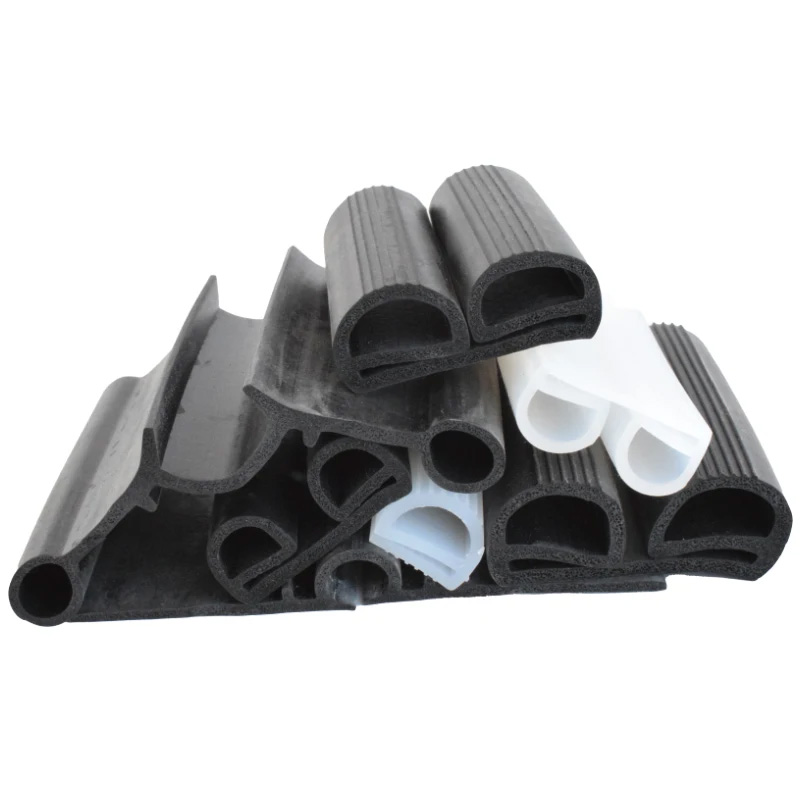
Simply put, a front door rubber seal is a flexible strip made primarily from resilient rubber compounds. It fits snugly around the edges of doors, creating a barrier that blocks air, sound, dust, and water from passing through gaps. In many modern industries, these seals are part of broader weatherproofing or airtightness systems, essential for complying with energy codes or maintaining controlled environments.
In humanitarian contexts, such as disaster relief shelters or temporary housing, rubber seals improve durability and occupant comfort despite temporary structures. They also reduce resource consumption by minimizing energy needs for heating and cooling, a meaningful advantage in resource-constrained scenarios.
Core Features of Front Door Rubber Seals That Matter
Durability
Front door rubber seals face constant mechanical stress — opening, closing, compression, varying weather — and they must hold up without cracking or losing shape. Modern elastomer formulations have improved their lifespan greatly, with some lasting over a decade without significant degradation.
Flexibility and Compression Recovery
When the door closes, the seal compresses tightly; when the door opens, it regains its original size. This bounce-back effect prevents continuous pressure that could cause damage to doors or frames. Materials like EPDM rubber are favored because they balance flexibility with strength.
Weather Resistance
UV rays, rain, freezing temperatures, and pollutants challenge seals outdoors. Quality front door rubber seals resist these harsh elements, maintaining their protective role across seasons, which is especially vital in climates with extreme temperature swings.
Energy Efficiency Impact
By stopping drafts and moisture ingress, these seals directly cut heating and cooling loads. Buildings sealed well with effective front door rubber seals consume less energy, which translates into lower bills and fewer greenhouse gas emissions.
Ease of Installation and Maintenance
Front door seals should be straightforward to replace or install without specialized tools. This encourages wider adoption and ensures long-term effectiveness. Thoughtful product design often means DIY-friendly fitting clips or self-adhesive backs, critical for both home users and facility managers alike.
Global Applications & Use Cases
One fascinating aspect is how front door rubber seals show up in diverse situations:
- Urban Residential Buildings: In Europe, strict ISO energy standards demand top-tier sealing for new homes. Upgrading old front door seals is often one of the quickest retrofit wins.
- Industrial Plants: Factories manufacturing sensitive electronic components rely on sealed doors to prevent dust and moisture ingress—critical for quality control.
- Disaster Relief Housing: NGOs installing modular shelters use robust rubber seals to enhance weather resistance and occupant comfort in vulnerable regions.
- Commercial Spaces: Retailers reduce noise pollution and maintain stable indoor climates by installing effective front door rubber seals—an easy upgrade with visible impact on shopper experience.
Regional examples include cold climates like Canada and Scandinavia, where sealing technology contributes massively to thermal comfort, and tropical zones such as Southeast Asia, where moisture blocking prevents mold growth and decay.
Mini Takeaway:
Front door rubber seals are invisible heroes in a wide range of settings, quietly supporting energy efficiency, comfort, and durability across the globe.
Advantages and Long-Term Value of Quality Seals
Let’s be frank: everyone appreciates saving money and resources, but sometimes the emotional benefits matter more.
- Cost Savings: Reduced air leakage means less energy waste and lower utility bills month after month.
- Environmental Impact: Cutting heating/cooling demand directly correlates with lower carbon emissions—a small step with big planetary value.
- Comfort and Health: A well-sealed door reduces drafts, dampness, and pollution entry, improving indoor air quality and wellbeing.
- Security and Privacy: Seals can contribute to noise reduction and act as simple deterrents to pests or minor intrusions.
- Longevity of Doors and Frames: By minimizing exposure to moisture and temperature swings, seals help preserve the structural integrity of the entire doorway.
In short, investing in proper front door rubber seals yields practical, emotional, and ethical payoffs, fostering a better living environment you can trust.
Product Specification Table
| Feature | Typical Value / Material | Benefit |
|---|---|---|
| Material | EPDM Rubber | Excellent weather resistance & flexibility |
| Compression Set Resistance | 15% after 1000 hours | Maintains sealing effectiveness long-term |
| Operating Temperature | -40°C to 120°C | Usable in diverse climate zones |
| UV Resistance | High | Prevents cracking and fading |
| Installation Type | Self-adhesive or clip-on | Easy retrofitting and replacement |
Vendor Comparison: Top Front Door Rubber Seal Providers
| Vendor | Material Quality | Price Range | Installation Options | Warranty |
|---|---|---|---|---|
| SealMaster Inc. | Premium EPDM with UV coating | $$$ (High) | Self-adhesive & Mechanical Clips | 10 Years |
| WeatherSeal Ltd. | Standard EPDM | $ (Budget) | Clip-On Only | 5 Years |
| EcoSeal Solutions | Recycled Rubber Blend | $$ (Mid-Range) | Self-adhesive Only | 7 Years |
Emerging Trends and Innovations in Front Door Sealing
One thing I’ve noticed at trade shows and industry forums is the push toward greener, smarter materials. Biodegradable and recycled rubbers are catching on—so you can have seals that help the planet as much as your energy bills. Alongside that, some vendors are integrating sensors within seals to monitor air-tightness or detect wear before leaks cause issues. In a world increasingly focused on building automation, it makes sense front door rubber seals become part of the “smart envelope.”
Meanwhile, policy shifts—like stricter building energy codes globally—are pushing manufacturers to refine formulations that last longer without losing elasticity or resist new environmental challenges such as acid rain or urban pollution.
Challenges in Front Door Rubber Seal Adoption & How to Overcome Them
Of course, not everything is sunshine and perfect seals. Key hurdles include:
- Installation Quality: No seal can perform if poorly fitted. Training and user-friendly designs are critical.
- Material Degradation: Inferior products may crack or warp quickly, leading to costly repeated replacements.
- Cost Sensitivity: For large retrofit projects, budget constraints may favor cheap over durable options, risking future expenses.
- Compatibility Issues: Some older or unusual door frames may not fit common seal profiles well, requiring custom solutions.
Innovative answers are emerging: modular clip systems for easy replacement, blended materials for strength and flexibility, and even digital resources guiding installers step-by-step. Frankly, the best vendors realize that seal longevity ties directly to user experience and support, not just product specs.
Mini Takeaway:
Think of a front door rubber seal as a silent partner in comfort and sustainability — but only if chosen and installed right.
FAQ: Quick Answers About Front Door Rubber Seals
- Q1: How long should a front door rubber seal typically last?
- A: With quality materials like EPDM and proper installation, seals can last anywhere from 7 to 15 years. Environmental factors and usage frequency matter a lot, though — so regular inspection helps catch issues early.
- Q2: Can I install a new front door rubber seal myself?
- A: Many seals today come with self-adhesive backing or simple clip mechanisms, designed for easy DIY installation. Just ensure the door surface is clean and dry, measure carefully, and follow instructions closely.
- Q3: Are rubber seals environmentally friendly?
- A: Modern seals increasingly incorporate recycled materials and are recyclable themselves. Some brands go further with biodegradable formulations. While small, these choices add up in reducing overall environmental impact.
- Q4: Do front door seals actually improve security?
- A: While they’re no substitute for locks, good seals can reduce forced entry points, block noise that could attract attention, and prevent pests like rodents or insects, adding layers to your protection indirectly.
- Q5: What should I do if my door frame is oddly shaped?
- A: Custom sealing profiles are widely available, especially from specialized suppliers. Alternatively, flexible materials can adapt better to curves or uneven gaps. Consulting vendors who offer tailored solutions is usually best.
Feeling convinced yet? A quality front door rubber seal might be one of those small upgrades that pays dividends in so many ways.
Wrapping Up: Why Front Door Rubber Seals are a Smart Investment
Looking at the bigger picture, front door rubber seals slip under the radar, but their impact resonates through energy savings, occupant comfort, and environmental gains. They’re one of those no-brainers for building maintenance or new construction—cost-effective, easy to implement, and with tangible long-term returns. Better sealed homes and commercial spaces not only save you money but also contribute to the global sustainability push. If you’re curious or ready to upgrade, visit our website: front door rubber seal to browse trusted options and start sealing in the benefits today.
References & Resources
Share
-
Eco Friendly Drawstring Jute Bag Guide for Sustainable PackagingNewsApr.16,2026
-
Elegant Wedding Jute Bags for Sustainable and Rustic Event PackagingNewsApr.09,2026
-
Sustainable Jute Bags for Coffee Packaging and Branding SolutionsNewsApr.07,2026
-
Explore the Benefits of Sustainable Saran Jute Bags for Your BusinessNewsApr.04,2026
-
Sustainable Jute Soap Bags Packaging Solutions for Eco Friendly BrandsNewsMar.31,2026
-
Discover the EcoFriendly Charm of Jute Favor Bags for Every OccasionNewsMar.28,2026