Everything You Need to Know About Shed Door Rubber Seal – Benefits & Applications
The Unsung Hero of Weatherproofing: Understanding Shed Door Rubber Seal
If you’re someone who cares about keeping your backyard shed dry, or if you’re in the construction or agricultural business, you’ve probably run into the term shed door rubber seal more times than you realize. It’s a small, often overlooked component, but essential—not just for a tiny garden hut but on a scale that impacts global practices in shelter, storage, and industrial safety.
Why care? Because the humble rubber seal plays a pivotal role in weatherproofing, energy efficiency, and durability of countless structures worldwide. As climate unpredictability grows, ensuring tight protection from elements is more critical than ever—especially for vulnerable storage or emergency shelters.
Mini takeaway: At its core, shed door rubber seals help keep moisture, dust, pests, and drafts out. This matters globally for preservation, energy savings, and comfort.
Global Context: Why the Shed Door Rubber Seal Matters More Than You Think
Surprisingly, weatherproofing technologies like shed door rubber sealing have a growing global footprint. According to the International Organization for Standardization (ISO), sealing materials contribute significantly to overall energy efficiency in storage and lightweight construction sectors.
Approximately 30% of building heat loss happens due to poor sealing, and that’s not just homes but also sheds, temporary housing, and industrial units. When you combine harsh climates—from northern Canada to Southeast Asian monsoons—the demand for reliable sealing solutions skyrockets.
Moreover, in humanitarian relief scenarios, such as post-flood or disaster zones, rapidly deploying weather-tight shelters hinges on quality seals to guarantee safety and dignity to displaced populations.
Mini takeaway: Global energy conservation and humanitarian needs increasingly depend on robust sealing solutions, making shed door rubber seals a quietly vital product.
What Exactly Is a Shed Door Rubber Seal?
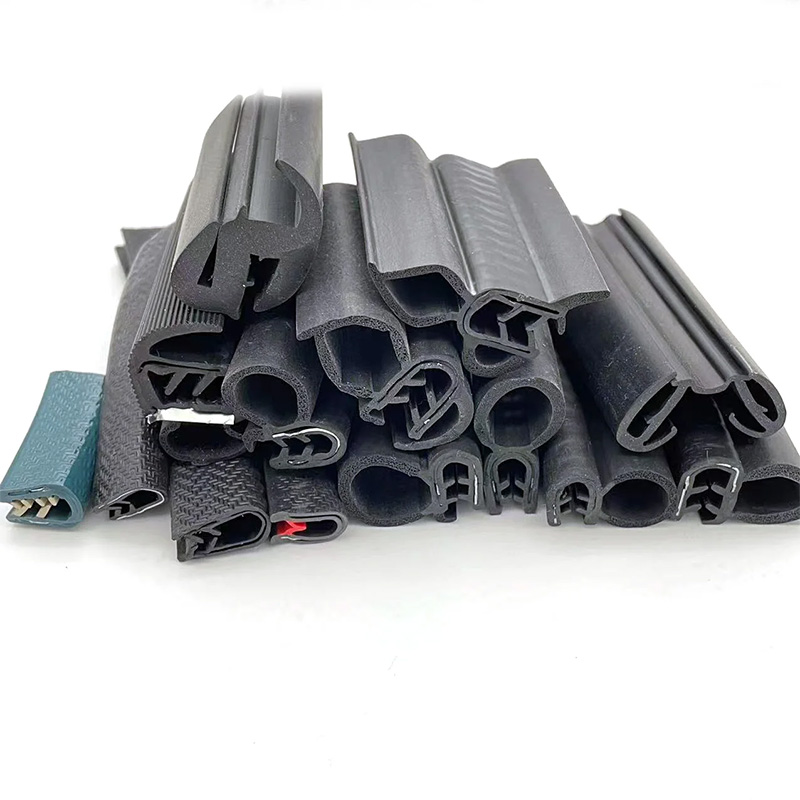
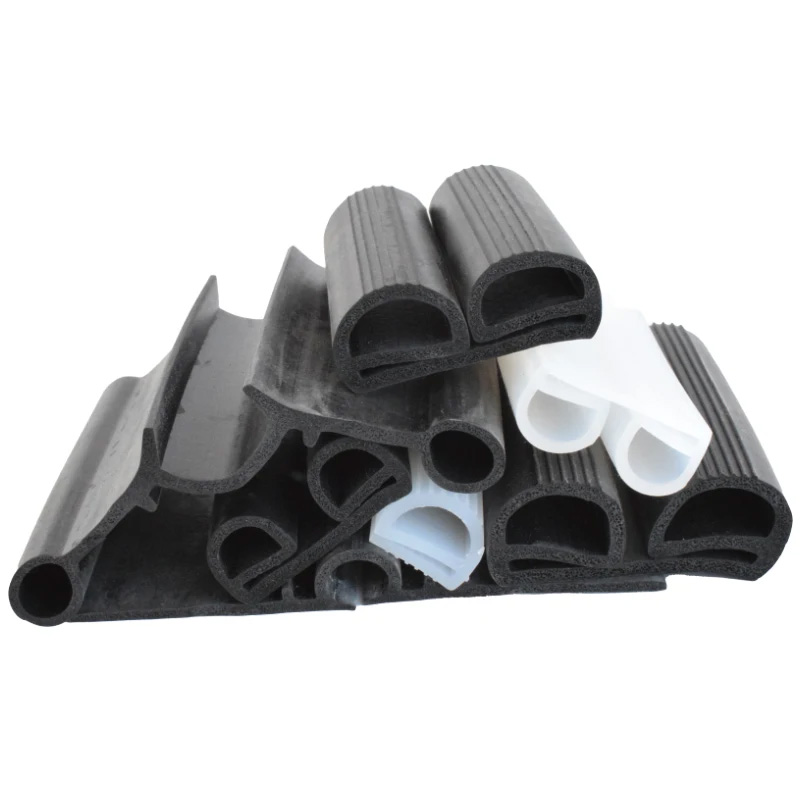
At its simplest, a shed door rubber seal is a flexible gasket, typically made from materials like EPDM (ethylene propylene diene monomer), silicone, or neoprene. It’s installed along the door edges to create a tight seal when closed. This prevents water ingress, dust, pests, and cold air from sneaking in.
They’re directly connected to modern industry requirements because sheds—whether for storing farming tools, machinery, or even sensitive electronics—need protection against the inevitable assaults of weather and time.
Oddly enough, these seals often mirror principles used in more high-tech industries like automotive or aerospace, just scaled to a practical, everyday level.
Core Components That Make a Good Shed Door Rubber Seal
1. Durability
Rubber seals endure all kinds of wear—from UV exposure to temperature swings and chemical contact. A tough compound like EPDM lasts years without cracking or deforming.
2. Flexibility & Fit
The seal must compress just right to fill irregular gaps but not so much that it damages door operation. That balance is why profile design matters (D-shape, bulb, or flat seals).
3. Weather Resistance
From freezing frost to blazing sun, the material should resist moisture absorption and not degrade.
4. Easy Installation & Maintenance
Many rubber seals now come with adhesive backings or clips for tool-free mounting. Plus, cleaning them periodically keeps them supple.
5. Cost Efficiency
While higher-grade seals can cost more upfront, they pay off by extending shed life and reducing energy costs.
Mini takeaway: Think of these factors as performance markers—durability, adaptability, and affordability are king.
Where Are These Seals Used? Global Applications and Real-World Examples
From modest backyard storage to massive industrial setups, shed door rubber seals show up everywhere:
- Agricultural sheds: Protecting valuable equipment and harvested crops in variable weather.
- Remote mining outposts: Nearby heavy dust loads require effective dust seals to avoid machinery damage.
- Temporary disaster shelters: Fast deployment housing needs seals that ensure water-tightness while being replaceable.
- Cold storage units: Maintaining temperature integrity for perishables.
For example, in Australia, extensive bushfire seasons have pushed shed suppliers to adopt premium EPDM seals to withstand extreme heat. Meanwhile, NGOs in Southeast Asia emphasize ease of installation for rapid humanitarian deployments.
Product Specification Table: Typical Shed Door Rubber Seal
| Feature | Specification | Common Material |
|---|---|---|
| Profile Shape | D-shaped or Bulb | EPDM Rubber |
| Seal Width | 10-15 mm | Neoprene |
| Length per Roll | 10 meters | Silicone |
| Temperature Range | -40°C to +120°C | EPDM |
| Installation | Adhesive backing or Clip-in | Varies |
Comparing Leading Vendors of Shed Door Rubber Seals
| Vendor | Material Quality | Seal Longevity (Years) | Installation Ease | Price Range |
|---|---|---|---|---|
| RubberTech Co. | Premium EPDM | 8-10 | Adhesive Tape | $$$ |
| SealMaster | Neoprene Blend | 5-7 | Clip System | $$ |
| EcoSeal Solutions | 100% Recycled EPDM | 6-8 | Self-Adhesive | $$$ |
Advantages & Long-Term Value of Quality Shed Door Rubber Seals
Fairly or not, many underestimate the emotional value behind a simple seal until a hard rain, dust storm, or chilly draft sneaks in. The right seal fosters trust—whether you’re storing expensive tools or providing shelter to people.
- Cost Savings: Reduced energy leakages translate to lower heating bills in winter, and less cooling requirement in summer.
- Sustainability: Longer-lasting seals reduce waste and help buildings meet green certification standards.
- Safety & Dignity: Particularly for disaster shelters, a reliable seal keeps occupants dry and healthy.
- Reliability: Quality sealing stops pests, dust, and moisture intrusion that degrade products or infrastructure.
Mini takeaway: These benefits echo not just in financial terms but in quality of life, comfort, and ecosystem responsibility.
Emerging Trends in Shed Door Rubber Seal Technology
The future looks interesting. Innovations are steering toward more eco-friendly materials—like fully recyclable EPDM and bio-based rubbers. Coupled with automation in manufacturing, we’re seeing seals precisely cut and fitted, reducing waste.
There’s also growing integration with digital monitoring. Imagine seals embedded with moisture sensors that alert you before leaks start. Or coatings that respond to temperature changes, adjusting compression to guarantee a better seal.
All this fits into the bigger picture of green energy and smart buildings. The humble rubber seal might just become smart in the near future.
Challenges & Solutions in Seal Deployment
Some tricky realities remain:
- Installation consistency: Incorrect fitting can render even the best seal useless.
- Material wear under extreme conditions: Prolonged UV exposure or chemical contact can degrade seals faster than expected.
- Cost barriers: High-quality seals might deter budget-conscious buyers.
Experts recommend thorough site evaluations, choosing material tailored to the local climate, and training installers properly. Some innovative firms now offer pre-cut, customized seals to solve fit issues. Plus, warranties are becoming more common to build user confidence.
FAQ: Common Questions About Shed Door Rubber Seal
Q: How do I know if my shed door rubber seal needs replacing?
A: Look for cracks, hardening, or gaps when the door closes. If you notice drafts, water leaks, or pests sneaking in, it’s time to replace the seal. In general, seals last 5–10 years depending on material and exposure.
Q: Can I install a shed door rubber seal myself?
A: Absolutely. Most seals nowadays offer peel-and-stick adhesive or simple clip-on designs. However, ensure the surface is clean and dry before installation for best adhesion.
Q: Are silicone seals better than EPDM for sheds?
A: Silicone offers excellent temperature resistance and flexibility but is often pricier. EPDM provides great UV and weather resistance at a better cost, making it the popular go-to for most sheds.
Q: Where can I buy quality shed door rubber seals?
A: Besides hardware stores, many vendors online specialize in weather sealing. For bulk or specialized needs, checking suppliers like those highlighted (shed door rubber seal) can make a difference.
Q: How do shed door rubber seals improve energy efficiency?
A: By eliminating drafts and air leaks, seals reduce the need to compensate with heating or cooling. This can save significant energy over the year, especially in well-insulated sheds or small outbuildings.
In Conclusion: Sealing the Deal on Quality and Performance
The often underestimated shed door rubber seal is a simple innovation with outsized impact. It protects, conserves energy, and promotes safety across varied industries and regions worldwide. Whether you’re a hobbyist or managing industrial assets, the right seal investment pays dividends in durability, sustainability, and peace of mind.
Thinking of upgrading or outfitting your shed with premium weatherproofing solutions? Visit https://www.xtshuoding.com for expert advice, quality products, and customization services.
References:
Share
-
Eco Friendly Drawstring Jute Bag Guide for Sustainable PackagingNewsApr.16,2026
-
Elegant Wedding Jute Bags for Sustainable and Rustic Event PackagingNewsApr.09,2026
-
Sustainable Jute Bags for Coffee Packaging and Branding SolutionsNewsApr.07,2026
-
Explore the Benefits of Sustainable Saran Jute Bags for Your BusinessNewsApr.04,2026
-
Sustainable Jute Soap Bags Packaging Solutions for Eco Friendly BrandsNewsMar.31,2026
-
Discover the EcoFriendly Charm of Jute Favor Bags for Every OccasionNewsMar.28,2026