Exploring the Versatile Applications of Jute Bag Industrial Solutions
Understanding the Versatility of Jute Bag Industrial Applications
In today's environmentally conscious market, jute bags are experiencing a surge in demand. Specifically, jute bag industrial uses are rapidly expanding beyond traditional packaging. This article will explore the diverse applications of these eco-friendly bags in various industries, highlight their benefits, and discuss the key factors to consider when sourcing them. We'll delve into why jute is becoming the preferred choice for businesses prioritizing sustainability and durability.
The Growing Demand for Jute Bag Industrial Solutions
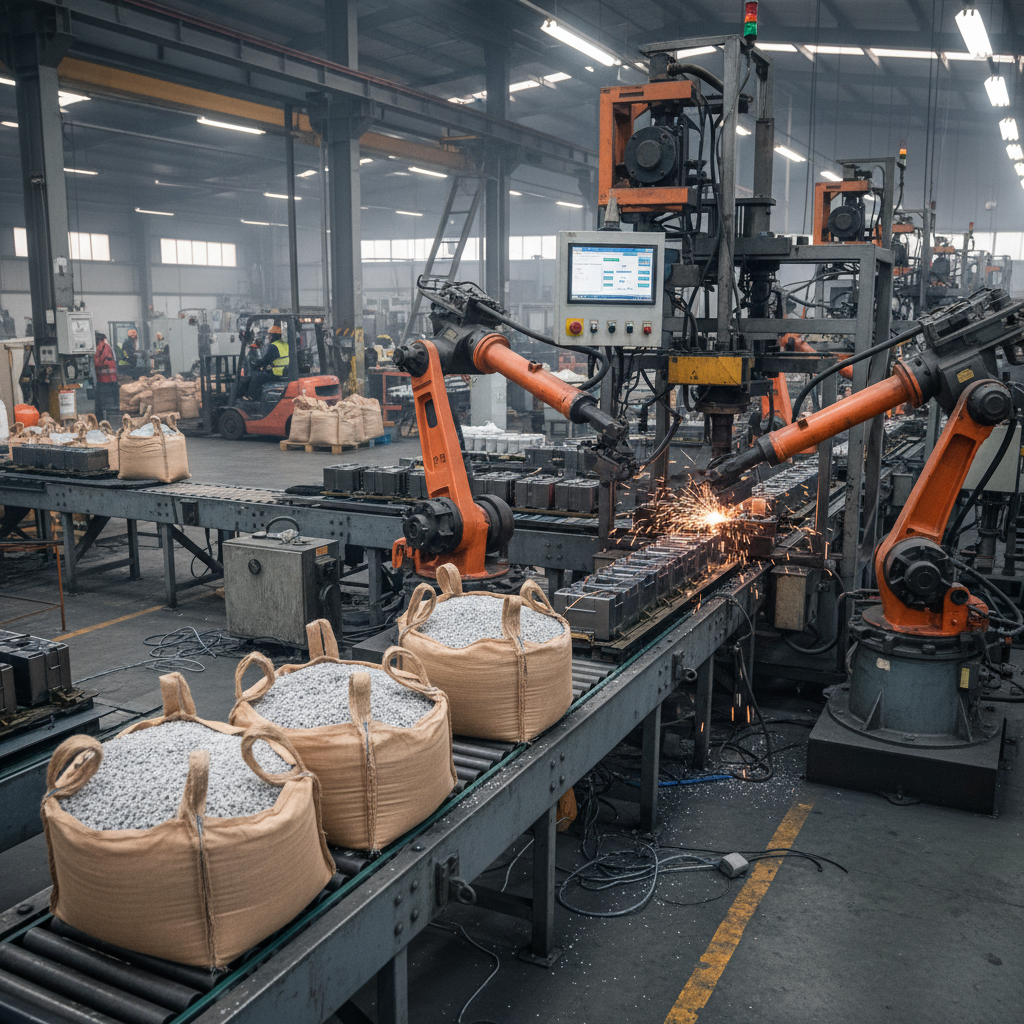
The shift towards sustainable packaging has fueled the demand for jute bags in industrial settings. Unlike plastic alternatives, jute is a naturally renewable resource, biodegradable, and requires minimal water and pesticides to grow. This makes it an environmentally responsible choice for companies seeking to reduce their carbon footprint. Industries are increasingly incorporating jute bags for transporting goods, storing materials, and even as a component in erosion control projects. The inherent strength and durability of jute also make it a cost-effective long-term solution.
Key Benefits: Jute is a naturally renewable resource, biodegradable, and requires minimal water and pesticides. It’s known for its strength, durability and cost effectiveness.
Jute Bags in Agriculture: A Robust and Sustainable Choice
The agricultural sector has long relied on durable sacks for transporting and storing grains, coffee beans, potatoes and other produce. Jute bags offer a breathable alternative to plastic, preventing moisture buildup and reducing spoilage. They are also strong enough to withstand the rigors of handling and transportation. Beyond storage, jute is used in erosion control mats, protecting soil from degradation and promoting healthy plant growth. Farmers are recognizing the value of jute in sustainable agricultural practices.
Agricultural Benefits:
• Breathable material prevents moisture buildup
• Durable enough for rigorous handling
• Used in erosion control
• Supports sustainable agricultural practices
Jute Bag Industrial Applications: A Comparative Analysis
When considering packaging solutions, it's crucial to compare the options. While plastic and woven polypropylene bags are often cheaper upfront, they lack the sustainability and breathability of jute. The long-term cost-effectiveness of jute bags, coupled with their environmental benefits, often outweighs the initial investment. Let's look at a direct comparison:
Beyond Agriculture: Diverse Jute Bag Industrial Applications
The versatility of jute extends far beyond agriculture. In the construction industry, jute bags are utilized for sandbagging and erosion control. The textile industry uses jute for packaging yarn and fabric. Even in the specialty coffee industry, jute bags provide the ideal breathable environment for green coffee bean storage and transport. They're also used in landscaping, for creating barriers and controlling weeds. Furthermore, the growing trend of eco-friendly marketing has led to increased use of branded jute bags for promotional purposes.
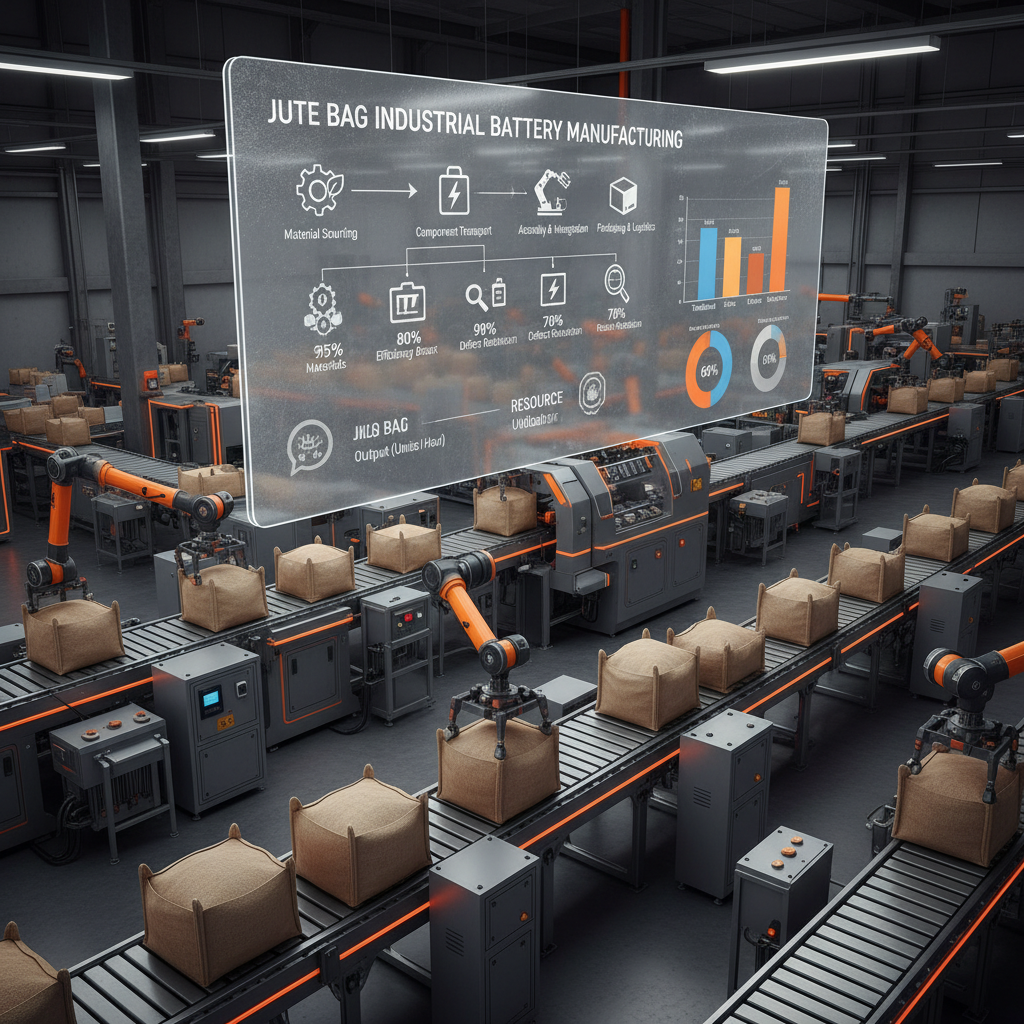
Selecting the Right Jute Bag for Your Industrial Needs
When choosing jute bags for industrial use, several factors should be considered. Bag size, weight capacity, weave density, and stitching quality are all crucial. Xt Shuoding offers a wide range of customization options to meet specific requirements. Consider the intended use and the environment the bags will be exposed to. For heavy-duty applications, a higher weave density and reinforced stitching are essential. Contacting a reputable supplier like Xt Shuoding can ensure you get the optimal product for your needs.
Conclusion: Embracing Sustainability with Jute
Choosing jute bags for your industrial applications is a step towards a more sustainable future. Their durability, breathability, and eco-friendly nature make them a superior alternative to traditional packaging materials. By partnering with a trusted supplier like Xt Shuoding, you can ensure you receive high-quality, customized solutions that meet your specific needs. Invest in sustainability – choose jute.
Frequently Asked Questions (FAQs)
What is the typical weight capacity of an industrial jute bag?
The weight capacity of an industrial jute bag varies depending on its size, weave density, and construction. Typically, standard industrial jute bags can hold between 50kg to 100kg (110lbs to 220lbs). However, heavier-duty bags with reinforced stitching can handle up to 150kg (330lbs) or more. Xt Shuoding can customize bags to meet specific weight requirements, ensuring safe and reliable transportation of your goods. It’s crucial to accurately assess the weight of the materials you’ll be transporting to choose the appropriate bag.
Can jute bags be customized with printing?
Yes, jute bags can be readily customized with printing. Xt Shuoding offers various printing options, including screen printing, heat transfer printing, and digital printing. This allows for branding with logos, slogans, or other designs. Custom printing enhances brand visibility and provides an eco-friendly alternative to plastic promotional bags. The choice of printing method depends on the complexity of the design and the desired color vibrancy.
How do I care for jute bags to prolong their lifespan?
To maximize the lifespan of your jute bags, avoid exposing them to prolonged periods of direct sunlight or excessive moisture. Store them in a cool, dry place when not in use. If the bags become wet, allow them to air dry thoroughly before stacking. Avoid overloading the bags beyond their recommended weight capacity. Regular inspection for any signs of wear and tear is also recommended. With proper care, jute bags can provide years of reliable service.
Are jute bags a fire hazard?
Jute is a natural fiber and is combustible, meaning it can burn. However, it’s not considered a high fire hazard. Jute bags don’t readily ignite and tend to smolder rather than burst into flames. They don’t release toxic fumes when burned, unlike many synthetic materials. Nevertheless, it is important to keep them away from open flames or ignition sources.
Share
-
Eco Friendly Drawstring Jute Bag Guide for Sustainable PackagingNewsApr.16,2026
-
Elegant Wedding Jute Bags for Sustainable and Rustic Event PackagingNewsApr.09,2026
-
Sustainable Jute Bags for Coffee Packaging and Branding SolutionsNewsApr.07,2026
-
Explore the Benefits of Sustainable Saran Jute Bags for Your BusinessNewsApr.04,2026
-
Sustainable Jute Soap Bags Packaging Solutions for Eco Friendly BrandsNewsMar.31,2026
-
Discover the EcoFriendly Charm of Jute Favor Bags for Every OccasionNewsMar.28,2026