Essential Guide to Rubber Seals for Car Doors – Features, Benefits & Trends
Rubber Seals for Car Doors: The Unsung Heroes of Automotive Comfort and Safety
At first glance, rubber seals for car doors might seem like a minor detail, but these unassuming strips of material play a massive role in vehicle design and passenger experience. Worldwide, the automotive industry produces over 90 million vehicles annually, and virtually every single one relies on quality rubber sealing to keep things quiet, safe, and weatherproof. Understanding why these seals matter — beyond just keeping rain out — sheds light on a surprisingly global challenge in engineering, comfort, and sustainability.
Why Rubber Seals for Car Doors Matter Globally
Globally, more than a billion vehicles are on the road, according to the International Organization of Motor Vehicle Manufacturers (OICA). As emission regulations tighten, manufacturers aim to design cars that are not only eco-friendly but also energy efficient — and that includes minimizing drafts and noise intrusion. Rubber seals for car doors help achieve this by creating airtight barriers that improve insulation, reduce fuel consumption (by enhancing aerodynamics), and increase occupant comfort. In colder regions, effective sealing can be the difference between a cozy ride and a miserable commute.
However, the true unspoken challenge is durability. Seals must endure harsh conditions — from the sweltering heat of deserts to freezing Arctic winds, plus the chemical assault of road salt and pollution. So, globally, the demand is for seals that stay flexible and functional for years.
Mini takeaway: Rubber seals for car doors aren't just about blocking noise or water; they play a crucial role in global efforts toward sustainability, safety, and automotive efficiency.
What Exactly Are Rubber Seals for Car Doors?
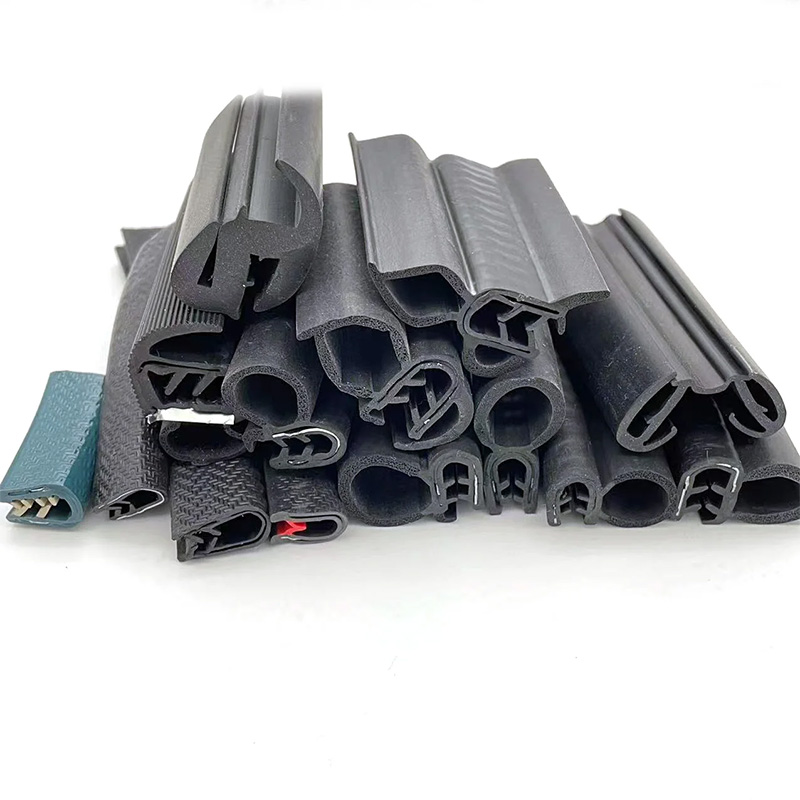
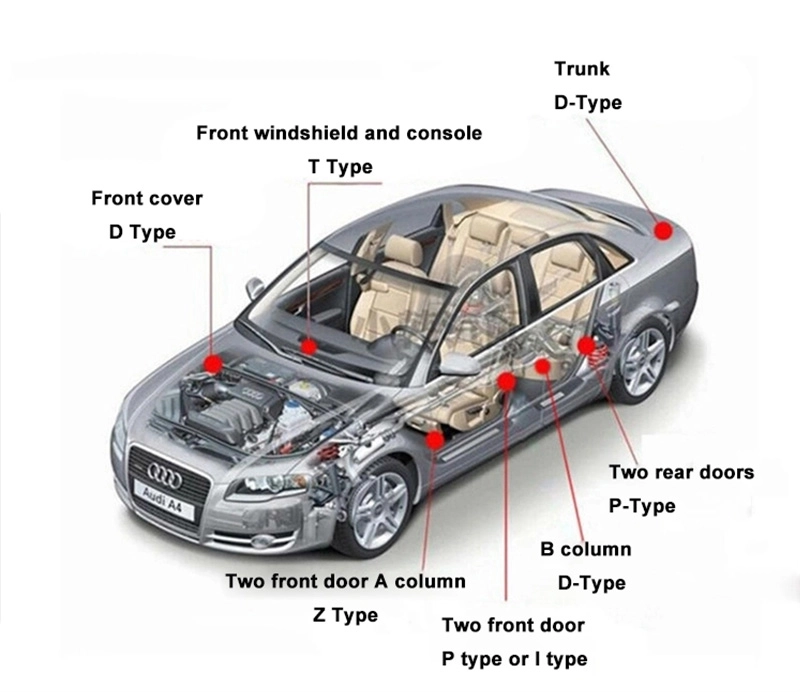
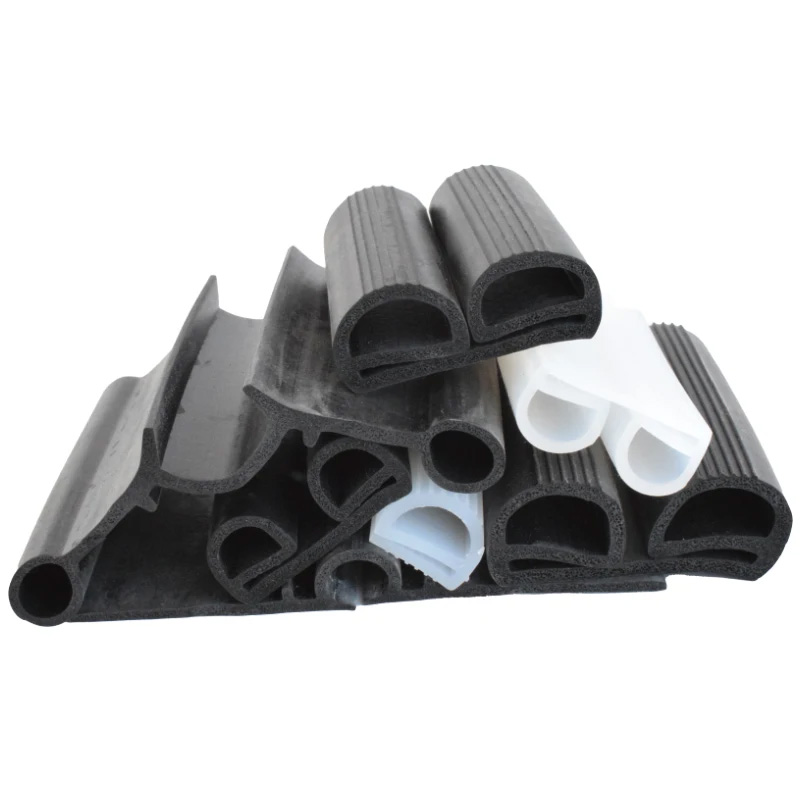
Simply put, these are gasket-like components made primarily from synthetic rubber compounds — often EPDM (ethylene propylene diene monomer) — that are fitted around the edges of car doors. They sit snugly between the door and the car frame, preventing dust, wind, water, and noise from entering the cabin.
Besides comfort, these seals are linked closely with automotive safety standards. For example, they help maintain cabin pressurization and, in some cases, work with sensors to detect door closure or intrusion. They’re also important in the broader aerospace of automotive manufacturing, enabling better climate control inside vehicles and extending the life of interior components.
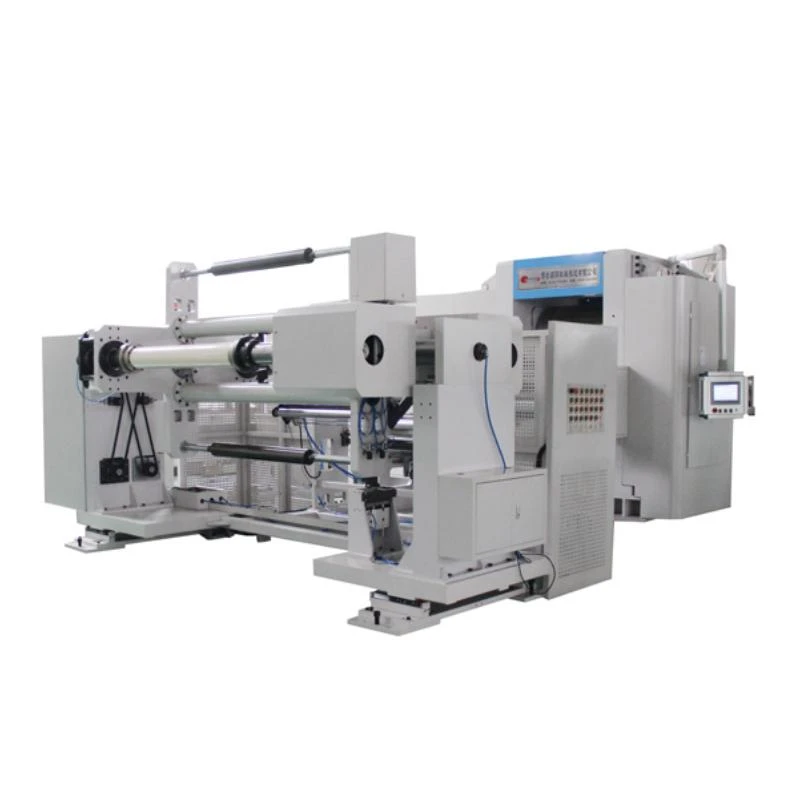
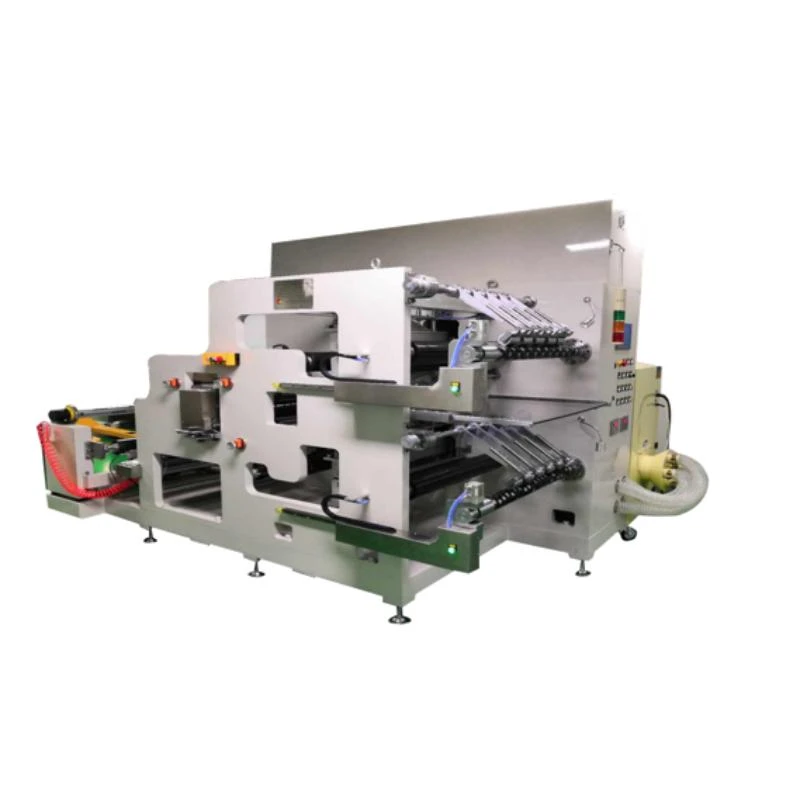
Rubber seals for car doors have become essential parts in modern vehicle assembly lines worldwide.
Key Features that Define High-Quality Rubber Seals
1. Durability and Weather Resistance
The seal has to withstand UV radiation, ozone, temperature extremes (-40°C to 120°C or more), and chemical exposure (like grease and fuel). EPDM’s natural resistance to such factors is why it dominates the market. Engineers often test seals with accelerated aging protocols to predict lifespan.
2. Flexibility and Compression Set
A good seal should stay flexible year-round to maintain a tight barrier. If it hardens or cracks with time, it no longer seals properly, leading to wind noise and water leaks. Low compression set (the seal's ability to return to original shape after being compressed by the door closing) is critical.
3. Adhesion and Installation
Seals must stay firmly attached to the door frame but also be easy to install or replace when needed. Many modern seals come with adhesive backing or mechanical clips, balancing secure fitment with serviceability.
4. Environmental Sustainability
As green manufacturing grows, rubber makers explore bio-based alternatives or recycled materials. This aligns with ISO 14001 environmental management systems increasingly adopted in automotive supply chains.
5. Noise, Vibration, and Harshness (NVH) Performance
Seals aren’t only barriers to water but act as noise dampers. Reducing NVH involves carefully engineered cross sections and material blends to absorb sound and vibration.
| Property | Typical Value | Units | Notes |
|---|---|---|---|
| Material Type | EPDM Rubber | - | Common choice for automotive seals |
| Shore A Hardness | 55-65 | - | Balance between softness and support |
| Tensile Strength | 9-15 | MPa | Resistance to mechanical failure |
| Temperature Range | -40 to +120 | °C | Suitable for most climates |
| Compression Set | % | Low compression set preferable |
Mini takeaway: The right rubber seal is a fine balance of toughness and flexibility, designed specifically for both harsh environments and user comfort.
Global Applications & Real-World Use Cases
From North America’s icy tundras to Europe’s urban centers and Asia’s tropical climates, rubber seals are a universal automotive component. Beyond personal cars, they’re crucial in buses, commercial trucks, emergency vehicles, and even electric cars, where cabin climate control is paramount to battery efficiency.
- Post-disaster vehicle fleets: Emergency responders rely on reliably sealed vehicles that keep their interiors dry and insulated during extreme weather conditions.
- Remote industrial zones: In mining or forestry trucks, rough conditions quickly degrade poor seals. Durable rubber gaskets mean less frequent maintenance and downtime.
- Green vehicle manufacturing: Many regions emphasize sustainability — OEMs sourcing eco-friendlier materials are reshaping the supply chain of these seals.
In fact, manufacturers in Germany, Japan, and South Korea lead innovation in seal designs—often integrating sensors and new polymers. Meanwhile, suppliers like China and India produce high-volume, cost-efficient products suited to emerging markets that need durable yet affordable components.
Cost Efficiency and Long-Term Benefits
Good-quality rubber seals offer a surprisingly large return on investment. They extend the lifespan of interior panels by preventing moisture damage and reduce HVAC energy requirements by sealing leaks. For customers, fewer rattles and less wind noise translate into higher perceived vehicle quality and resale value.
There’s also an emotional element tied to trust and safety — think kids in the back seat safe from rain or parents appreciating quiet rides. Plus, sustainability gains aren’t negligible. A well-maintained seal reduces the need for frequent replacement parts, lowering waste and energy consumption across the vehicle’s life.
How the Future Looks: Trends and Innovation
Emerging technologies are already shaking up the world of car door rubber seals:
- Bio-based and recycled rubbers: Reducing petrochemical dependency, companies experiment with natural rubber blends fitting modern durability needs.
- Smart seals: Embedded sensors for door ajar detection or temperature monitoring could soon be standard.
- 3D printing and customization: Prototyping seals for one-off vehicle models is now faster and more precise.
- Automation in assembly: Robots are installing seals with ever-increasing accuracy, reducing human error.
These trends align with broader automotive movements: electrification, digitization, and sustainable manufacturing.
Ongoing Challenges & How Companies Are Overcoming Them
Despite all these advances, some thorny problems remain:
- Material degradation: Long-term seal performance can falter under extreme chemicals or heavy pollution.
- Compatibility: Ensuring seals fit perfectly across varied door designs challenges suppliers working with multiple OEMs.
- Environmental impact: Traditional rubber production is resource-heavy, prompting pushback from regulators.
Manufacturers tackle these by investing in new polymer blends, modular sealing systems, and circular economy approaches — reclaiming old seals for repurposing.
Vendor Comparison Snapshot
| Vendor | Product Quality | Customization Options | Sustainability Focus | Lead Time (weeks) |
|---|---|---|---|---|
| XTS Rubber Seals | High | Extensive | Strong (ISO 14001 Certified) | 3–5 |
| GlobalSeal Inc. | Medium | Limited | Moderate | 4–6 |
| EcoSeal Solutions | High | Moderate | Very High (Bio-based Materials) | 6–8 |
FAQs About Rubber Seals for Car Doors
- How long do rubber seals for car doors typically last?
- Quality seals generally last between 5 to 10 years, depending on exposure and maintenance. Extreme climates or harsh chemicals can shorten lifespan.
- Can I replace door rubber seals myself?
- Yes, many seals come with adhesive backing designed for DIY installation. However, for perfect fit and durability, professional replacement is recommended.
- Are there eco-friendly options for these seals?
- Absolutely. Some manufacturers offer seals made from recycled or bio-based rubbers, balancing performance with environmental responsibility.
- Do rubber seals improve fuel efficiency?
- Indirectly, yes. By creating airtight cabins, seals reduce aerodynamic drag and improve HVAC efficiency, contributing to lower fuel consumption over time.
- What causes wind noise despite having seals installed?
- Usually, it's due to seal degradation, poor installation, or door misalignment. Checking seal integrity and proper door closure often solves the issue.
Final Thoughts: Why Invest in Quality Rubber Seals?
Ultimately, robust rubber seals for car doors are small elements with outsized impacts. They blend engineering finesse, environmental care, and user comfort into something every driver should appreciate, if only subconsciously. Whether you're a manufacturer, mechanic, or a curious driver, understanding the value of these seals helps you appreciate the hidden craftsmanship in automotive design.
So next time you shut your car door and barely hear it click, or stay warm and dry despite the storm outside, thank the humble rubber seal. For more in-depth product info and sourcing options, be sure to visit our website.
References
Share
-
Eco Friendly Drawstring Jute Bag Guide for Sustainable PackagingNewsApr.16,2026
-
Elegant Wedding Jute Bags for Sustainable and Rustic Event PackagingNewsApr.09,2026
-
Sustainable Jute Bags for Coffee Packaging and Branding SolutionsNewsApr.07,2026
-
Explore the Benefits of Sustainable Saran Jute Bags for Your BusinessNewsApr.04,2026
-
Sustainable Jute Soap Bags Packaging Solutions for Eco Friendly BrandsNewsMar.31,2026
-
Discover the EcoFriendly Charm of Jute Favor Bags for Every OccasionNewsMar.28,2026