Enhancing Energy Efficiency and Comfort with External Door Rubber Seals
Why External Door Rubber Seals Matter in a Global Context
At first glance, external door rubber seals might seem like the unsung heroes of buildings, tucked away on the edges of doors, quietly doing their job. Yet, their significance is anything but minor — they play a pivotal role worldwide in energy efficiency, weatherproofing, and even security. From chilly Scandinavian homes to humid tropical warehouses, these seals help maintain indoor environments, reduce energy waste, and create safer, more comfortable spaces.
Globally, buildings account for roughly 40% of energy consumption, according to the International Energy Agency (IEA). A substantial portion of this energy loss comes from poorly sealed doors and windows. Enter the external door rubber seal, an effective and low-cost solution to a massive problem. Understanding their benefits and technology is key to smarter, sustainable building practices worldwide.
Setting the Stage: Why External Door Rubber Seals Have Gained Global Importance
The world is rapidly urbanizing, with the United Nations estimating nearly 68% of the global population living in urban areas by 2050. Buildings are becoming taller, spaces tighter, and environmental challenges more acute — especially when it comes to climate control and pollution prevention.
External door rubber seals help combat these challenges by improving airtightness, reducing drafts, and preventing moisture ingress. This means improved HVAC efficiency and longer-lasting structures resistant to weather wear and pest infiltration. As energy costs rise and governments set stricter building codes (think ISO 14001 or LEED standards), the properly designed seal is no longer a luxury — it’s a necessity.
Still, many new buildings, especially in developing regions, skimp on quality sealing, leaving a sizable opportunity for innovation and adoption.
What Exactly Is an External Door Rubber Seal?
Simply put, an external door rubber seal is a flexible strip made of rubber or similar elastomeric material applied to the perimeter of an exterior door. Its job? To create a tight barrier between the door edge and the frame, blocking out air, dust, water, noise, and even insects. It’s a small piece of material doing some big things.
In the modern world — where energy conservation and structural integrity are prioritized — these seals have become critical components in buildings, container housings, automotive doors, cold rooms, and even humanitarian shelters. They’re often customized by shape and compound to handle different weather extremes and operational needs.
Core Components and Key Factors Behind Effective Sealing
Durability
A rubber seal must withstand daily opening and closing, UV exposure, temperature swings, and moisture. High-quality EPDM (ethylene propylene diene monomer) rubber is often preferred for its excellent resistance to ozone, sunlight, and aging. Some seals even incorporate thermoplastic elastomers for a balance between flexibility and toughness.
Flexibility and Compression Set
To create an effective seal without jamming the door, the rubber must be flexible enough to compress when the door closes but return to its original shape when opened. A low compression set — meaning it doesn’t stay permanently deformed — is crucial for long-term performance. I noticed some cheaper seals lose their bounce in just a few months.
Weather Resistance
The external seal fights rain, wind, snow, and dust. For coastal or industrial areas with salt spray or chemicals in the air, enhanced resilient compounds are necessary. Otherwise, exposure can quickly degrade the material, causing cracks and leaks.
Installation and Compatibility
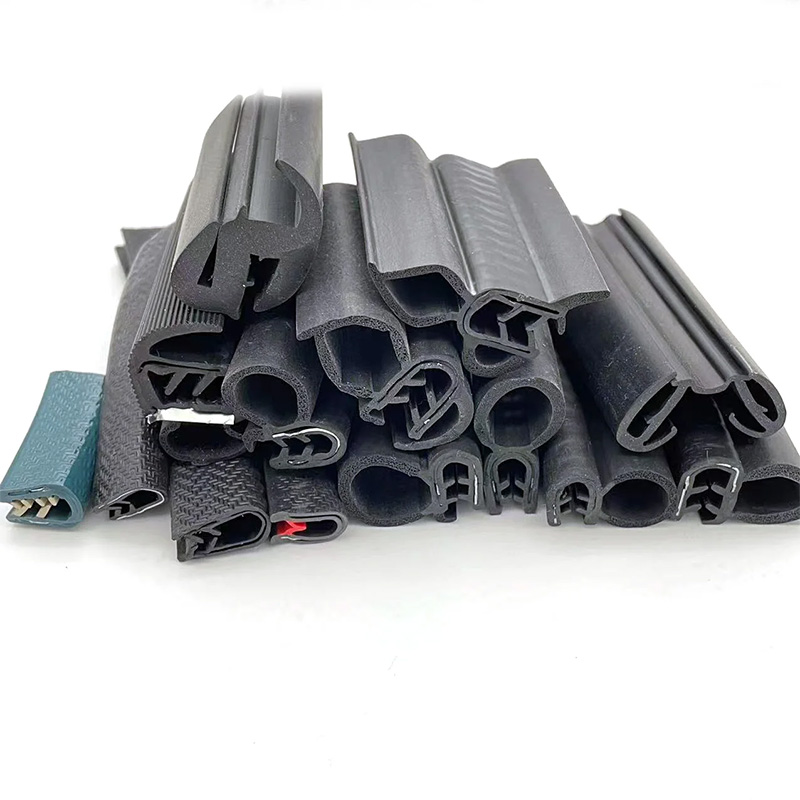
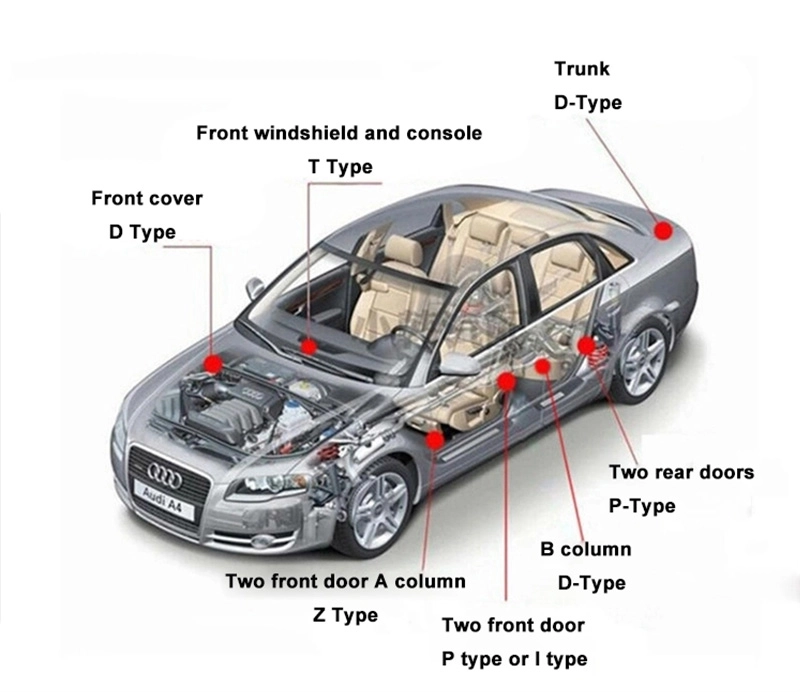
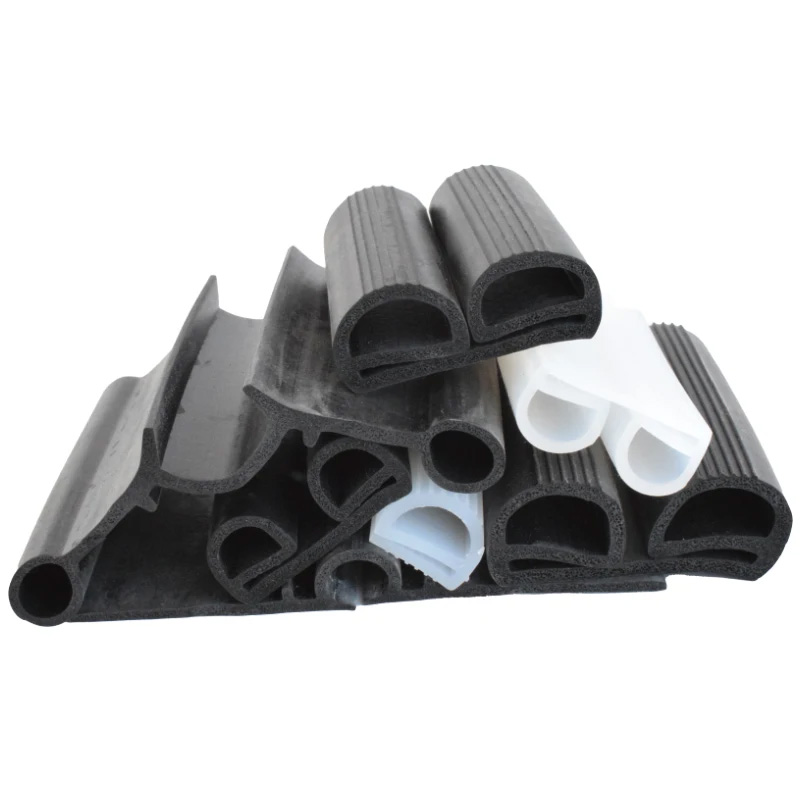
The profile and material must match the door frame and application. Seals come in “D”, “P”, “E”, and “Bulb” shaped profiles, among others, to fit various gap widths. Some feature adhesive backings for quick retrofitting, while others require mechanical fasteners.
Product Specifications at a Glance
| Specification | Typical Value | Notes |
|---|---|---|
| Material | EPDM Rubber | Excellent UV & weather resistance |
| Compression Set | ≤ 25% after 72h at 70°C | Maintains flexibility over time |
| Operating Temperature Range | -40°C to +120°C | Suitable for most climates |
| Profile Shapes | D, P, Bulb, E | Universal compatibility |
| Installation Method | Adhesive tape / Mechanical clips | Depends on application |
Mini takeaway: When selecting an external door rubber seal, pay attention to material quality, durability, and compatibility—all crucial for reliable performance.
How External Door Rubber Seals Support Industries and Regions Worldwide
It’s not just about homes or office buildings. Industrial complexes in Canada use these seals to secure cold storage units, preventing pricey spoilage. In post-disaster recovery zones — for instance after hurricanes in the Caribbean — temporary shelters fitted with robust rubber seals help protect against heavy rains and insects, preserving dignity and health.
Logistics hubs in Europe rely on advanced rubber seals on container doors to maintain interior conditions and protect sensitive goods. Meanwhile, in the Middle East’s desert environments, sealing solutions are critical to keep out dust storms and excessive heat.
Even emerging economies are slowly catching on: better sealing translates to lower energy bills and fewer repairs—a win-win for communities and businesses striving for sustainability.
Vendor Comparison: What to Look for When Buying External Door Rubber Seals
| Vendor | Material Quality | Profile Variety | Customization | Price Range | Lead Time |
|---|---|---|---|---|---|
| SealMaster Ltd. | Premium EPDM | Wide (D, P, E, Bulb) | High (Colors, Sizes) | $$$ | 2-3 weeks |
| EcoSeal Inc. | Recycled rubber blend | Limited (D, P) | Medium | $ | 1-2 weeks |
| Duraseal Solutions | High-grade thermoplastic elastomers | Extensive, includes custom molds | Very High | $$$$ | 3-4 weeks |
Advantages & Long-Term Value of Using External Door Rubber Seals
First off, better seals translate to visible utility cost savings, as less energy escapes through gaps. For facility managers, this is a tangible line-item improvement on monthly bills. But beyond that, well-sealed doors help keep interiors comfortable and healthy, blocking out noise and pollution, and protecting building integrity.
On the social side, imagine a remote clinic in a tropical area — the last thing staff want is mosquitoes slipping indoors through tiny gaps. A robust rubber seal can enhance safety and dignity simultaneously. There’s an emotional comfort in knowing your environment is protected, quietly, every day.
From an environmental perspective, cutting wasteful energy use supports broader climate goals and eases strain on local energy grids — which feels increasingly urgent.
Emerging Trends and Innovations in Door Sealing Technology
Frankly, material science is buzzing with activity here. New rubber compounds infused with nanomaterials are promising better durability and resistance to wear. Some developers are integrating sensors into seals for predictive maintenance — a little pressure or humidity sensor could alert building managers to failing seals before a costly leak happens.
Green initiatives push for recycled and bio-based elastomers, reducing carbon footprints. Meanwhile, digital modeling tools let architects simulate air leakage patterns, optimizing seal placement before installation.
Automation in manufacturing also means custom seals tailored on-demand, speeding up projects and reducing waste.
Challenges and Smart Solutions in Today’s Sealing Practices
Despite the advances, sealing installations still stumble on a few fronts. Cheap products with poor material quality tend to crack or lose elasticity quickly, especially under harsh weather. Improper installation is another common culprit; even the best seal can fail if the frame is out of spec or mounting isn’t aligned.
One clever approach I’ve seen is modular seal kits that accommodate slight door warping, preventing gaps from forming over time. Training programs for installers—often overlooked—can dramatically improve outcomes too.
FAQ: Your Practical Questions About External Door Rubber Seals
- Q: How often should I replace an external door rubber seal?
Generally, quality seals last 5-10 years depending on exposure, but regular inspections help catch early wear. - Q: Can I install a door seal myself, or do I need a professional?
Many seals come with adhesive backing for DIY installation, but for best results especially on commercial doors, professional help is recommended. - Q: Are external door rubber seals effective against soundproofing?
Yes, they reduce sound leakage significantly, especially when combined with good door materials. - Q: What profiles work best for heavy industrial doors?
Bulb and D-profile seals are popular choices for their robust compression and durability. - Q: How do external door rubber seals contribute to sustainability?
By reducing energy loss, they lower carbon emissions tied to heating/cooling and can be made from recycled or eco-friendly materials.
Wrapping Up: Sealing In Comfort, Efficiency, and Peace of Mind
So, while the external door rubber seal might not grab headlines, it deserves a nod for quietly holding together comfort, safety, and sustainability across the globe. Its simple yet effective role keeps energy bills down, protects interiors, and supports global green goals. Next time you close a door, consider the little guardian holding the barrier tight.
Interested in upgrading your seals? Visit our website: https://www.xtshuoding.com to explore a range of options tailored to your environment, with expert guidance to match.
References
Share
-
Eco Friendly Drawstring Jute Bag Guide for Sustainable PackagingNewsApr.16,2026
-
Elegant Wedding Jute Bags for Sustainable and Rustic Event PackagingNewsApr.09,2026
-
Sustainable Jute Bags for Coffee Packaging and Branding SolutionsNewsApr.07,2026
-
Explore the Benefits of Sustainable Saran Jute Bags for Your BusinessNewsApr.04,2026
-
Sustainable Jute Soap Bags Packaging Solutions for Eco Friendly BrandsNewsMar.31,2026
-
Discover the EcoFriendly Charm of Jute Favor Bags for Every OccasionNewsMar.28,2026