The Essential Guide to Rubber Exterior Door Seals: Durability, Applications & Innovations
Why Rubber Exterior Door Seals Matter Globally
At first glance, a rubber exterior door seal might seem like a small, almost trivial part of a building or vehicle. But when you start peeling back the layers, it’s clear these seals are essential players in global sustainability, safety, and comfort. As climate change drives harsher weather extremes and energy costs rise, understanding how these simple rubber gaskets reduce drafts, prevent water ingress, and improve energy efficiency becomes crucial across industries worldwide.
From the Arctic Circle’s extreme cold to tropical hurricane zones, exterior door seals are silently battling the elements. Governments, industries, and humanitarian groups rely on them for everything from protecting infrastructure to ensuring safe, livable emergency housing. In a nutshell: mastering these seals means safer buildings, less energy waste, and ultimately, a smaller carbon footprint.
Mini takeaway: Rubber exterior door seals bring big benefits by improving energy efficiency and weatherproofing everywhere – an unsung hero of sustainable design.
The Global Context: An Industry Essential
Globally, building and construction are responsible for roughly 40% of total energy consumption and one-third of greenhouse gas emissions, per the International Energy Agency (IEA). A significant part of this energy loss is due to poor sealing around doors and windows. That’s where rubber exterior door seals literally close the gap.
Tougher building codes worldwide (ISO 10077, for example) emphasize airtightness and thermal performance. A properly installed rubber exterior door seal helps meet those standards. Beyond new builds, retrofit markets are booming—especially in developing economies where energy poverty is a real challenge.
Meanwhile, post-disaster reconstruction agencies increasingly specify these seals for quick deployment shelters, because they add crucial protection against weather and pests. So, amid evolving climates and social needs, the right sealing solutions have never been more relevant.
Mini takeaway: Better seals = less energy wasted + more durable, humane shelters. The stats and policies all drive this message home.
What Exactly Is a Rubber Exterior Door Seal?
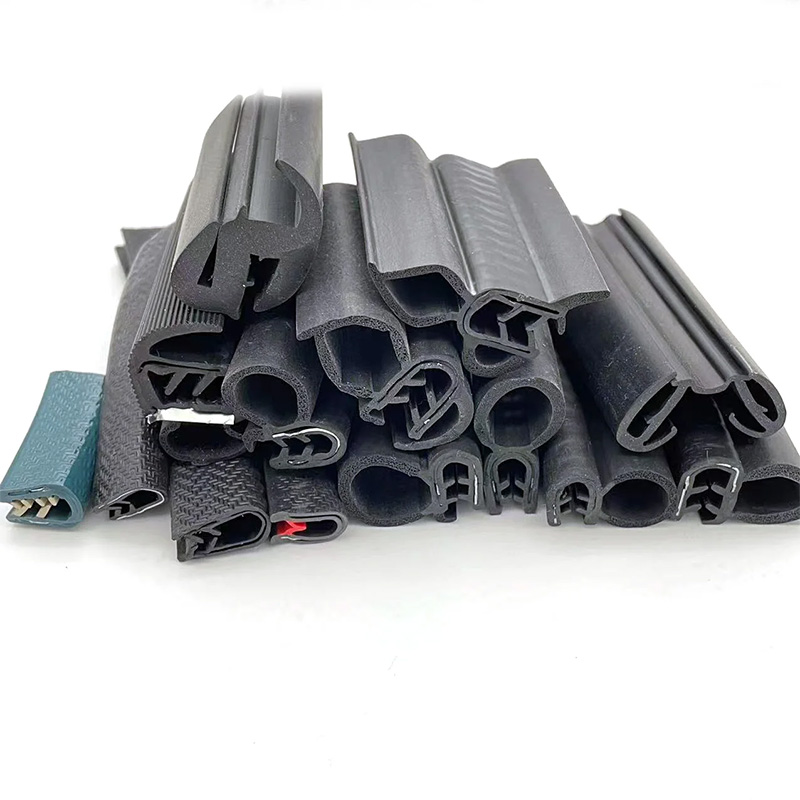
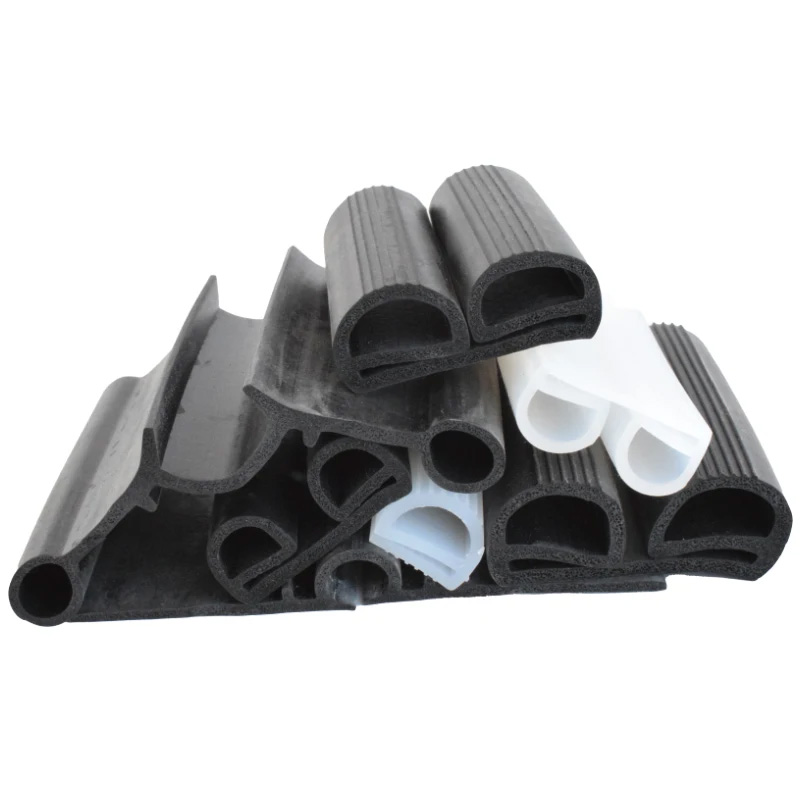
Put simply, a rubber exterior door seal is a flexible gasket or strip installed on the edges of exterior doors to create a tight barrier between the door and its frame. These seals block air leaks, water intrusion, dust, noise, and even insects.
Usually made of synthetic rubber compounds like EPDM, silicone, or neoprene, these seals maintain elasticity across temperature extremes. They’re fitted to everything from residential homes to commercial trucks and industrial cleanrooms.
In humanitarian and industrial contexts, these seals contribute to maintaining controlled environments—think of refrigerated containers or emergency shelters where temperature and hygiene are vital.
Mini takeaway: Rubber exterior door seals are humble but highly engineered components designed to protect and preserve environments.
Core Aspects Behind Effective Exterior Door Seals
Durability & Weather Resistance
These seals face rain, UV rays, extreme cold, pollution—you name it. The right rubber compound resists cracking, hardening, and degradation. EPDM is famously durable for outdoor seals and can last over 20 years with minimal maintenance.
Flexibility & Compression Set
Good seals adapt easily to door movement and pressure without losing shape. Low compression set means the material bounces back fully after being pressed continuously, ensuring long-lasting tight sealing.
Thermal Performance
Beyond blocking wind and water, these seals reduce heat transfer, helping keep conditioned air inside and cutting energy bills. In severe climates, this can mean huge savings.
Installation & Compatibility
Customizable profiles and adhesion methods matter. Whether it’s self-adhesive strips, snap-in profiles, or screw-applied seals, compatibility with door frame materials affects efficiency and longevity.
Cost Efficiency
While premium seals may cost more upfront, their longevity and energy savings often justify the investment — especially in commercial or industrial applications.
| Specification | Typical Range | Notes |
|---|---|---|
| Material | EPDM, Silicone, Neoprene | Choose based on environment |
| Operating Temp | -40°C to +120°C | Higher for silicone options |
| Compression Set | Good resilience | |
| Length / Height | Customizable, 5–25 mm | Depends on door design |
| UV Resistance | High | Ensures longevity outdoors |
Mini takeaway: The science behind these seals is a balancing act — flexibility, toughness, and precision fit all wrapped in one.
Where Are These Seals Put to Work Across the Globe?
The great thing about rubber exterior door seals is their versatility. You find them safeguarding energy integrity in high-rise office buildings across North America, while also making their way into rugged shipping containers in Southeast Asia.
- Disaster Relief: NGOs install these seals on modular shelter doors to keep weather out and warmth in, crucial for vulnerable populations in post-disaster zones.
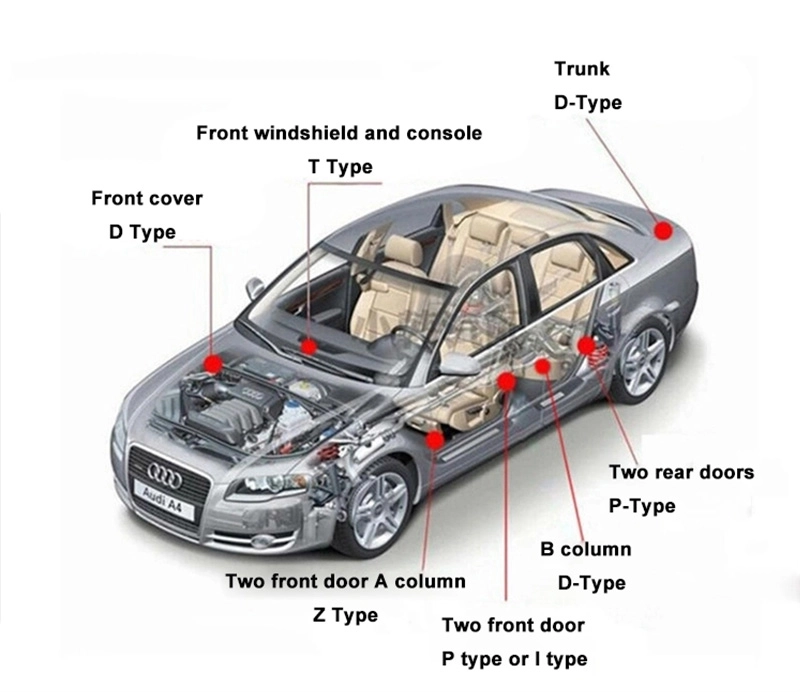
- Automotive & Transport: Vehicle manufacturers depend on exterior door seals to reduce noise, prevent water ingress, and preserve cabin climate control.
- Industrial Facilities: Cleanrooms and cold storage warehouses need airtight seals to maintain environment control — no leaks allowed.
- Residential Construction: Homeowners in temperate to extreme climates upgrade to modern rubber seals to improve comfort and slash energy bills.
Oddly enough, even historical renovation projects require custom seals that blend modern performance with traditional aesthetics.
Mini takeaway: From climate change shelters to your neighbor’s door, rubber seals are everywhere—quietly protecting comfort and resources.
Looking Ahead: Advantages and Lasting Value
It might not feel thrilling to choose a rubber seal, but the long-term benefits really stack up:
- Energy Savings: Better sealing reduces HVAC strain and cuts bills, an obvious win for buildings and truck fleets alike.
- Sustainability: Less energy use means smaller carbon footprint, supporting global climate goals (like those of the UN Paris Agreement).
- Durability: Good seals mean fewer repairs and replacements, saving materials and waste.
- Safety & Comfort: Preventing water ingress reduces mold and structural damage; tight seals reduce noise pollution and draftiness.
- Trust & Innovation: Companies investing in top-quality seals send a signal of quality and reliability—a simple detail that can tip customer satisfaction scales.
Mini takeaway: The small upfront effort to pick right pays dividends in comfort, cost, and conscience.
Future Trends and Innovations on the Horizon
Technology never stops advancing—even for something as seemingly simple as a door seal. A few exciting developments worth watching:
- Eco-friendly Materials: Biodegradable rubbers and recycled compounds aim to reduce environmental impact.
- Smart Seals: Embedded sensors could monitor seal integrity, alerting owners to leaks or wear and tear.
- Improved Adhesives: Next-gen adhesives support easier installation and longer lifespan despite harsh conditions.
- Customization by 3D Printing: Tailored profiles printed on demand for niche applications or historic buildings.
All these point to smarter, greener, and more precise sealing solutions. It feels like a quiet revolution happening under our noses—or under our doors, really.
Common Roadblocks and How to Get Around Them
Despite their importance, rubber exterior door seals face a few challenges:
- Material Degradation: UV exposure and ozone can degrade some rubbers faster than expected. Choosing EPDM or silicone helps mitigate this.
- Poor Installation: Wrong seal profiles or sloppy mounting ruin function. Working with specialized vendors or trusted guides is key.
- Cost Constraints: Budget projects might skimp on quality seals and pay the price later with drafts or damage.
- Compatibility Issues: Not all seals fit every door type, so customization or modular design options are growing trends.
Experts recommend routine inspection schedules and alignment with ISO standards to keep things tight—for the long haul.
| Vendor | Material Options | Custom Profiles | Typical Lead Time | Global Shipping |
|---|---|---|---|---|
| SealTech Co. | EPDM, Neoprene | Yes | 2–3 weeks | Yes |
| RubberPro Ltd. | Silicone, EPDM | Limited | 1–2 weeks | Yes |
| Global Sealers Inc. | EPDM, Neoprene, Silicone | Yes | 3–4 weeks | No |
FAQ: Rubber Exterior Door Seal
What materials are best for exterior door seals in extreme climates?
EPDM rubber is widely preferred for cold and UV-intense environments due to its flexibility and weather resistance. Silicone outperforms EPDM in high temperature ranges but can be costlier. Consider your climate’s specific demands when choosing.
How often should rubber exterior door seals be replaced?
Under normal conditions, seals can last 10–20 years. Regular inspection for cracks, hardness, or deformation every few years helps catch early wear and prevents energy loss or water damage.
Can I install rubber exterior door seals myself?
Simple adhesive-backed seals are generally DIY-friendly, but for custom profiles or industrial applications, professional installation ensures proper fit and performance.
Are rubber exterior door seals eco-friendly?
Traditional rubber has some environmental impact, but newer formulations use recycled materials and are designed for longevity to reduce waste. Innovations in biodegradable compounds are emerging.
Do these seals help with soundproofing too?
Yes, by creating airtight seals, they reduce noise infiltration, making interiors quieter and more comfortable.
Conclusion: The Small Seal with a Big Role
Choosing the right rubber exterior door seal is more than a detail — it’s a strategic decision with far-reaching effects. From boosting energy efficiency and comfort to supporting disaster relief and industrial standards, these seals quietly enable much of what we take for granted. If you’re in building, transport, or humanitarian industries, investing in quality sealing products is a smart move.
Ready to make the switch? Visit our website: https://www.xtshuoding.com to explore tailored rubber sealing solutions.
References:
1. International Energy Agency (IEA), "Energy Efficiency in Buildings," 2023.
2. ISO 10077-2:2017 Thermal Performance of Windows, Doors, and Shutters.
3. United Nations Climate Change Reports, Paris Agreement, 2015.
Share
-
Eco Friendly Drawstring Jute Bag Guide for Sustainable PackagingNewsApr.16,2026
-
Elegant Wedding Jute Bags for Sustainable and Rustic Event PackagingNewsApr.09,2026
-
Sustainable Jute Bags for Coffee Packaging and Branding SolutionsNewsApr.07,2026
-
Explore the Benefits of Sustainable Saran Jute Bags for Your BusinessNewsApr.04,2026
-
Sustainable Jute Soap Bags Packaging Solutions for Eco Friendly BrandsNewsMar.31,2026
-
Discover the EcoFriendly Charm of Jute Favor Bags for Every OccasionNewsMar.28,2026