Efficient Rubber Front Door Seals - Energy Saving & Comfort Solutions
Understanding Rubber Front Door Seals: More Than Just a Simple Strip
Ever paused to think why a small rubber gasket installed on a door matters globally? The rubber front door seal is an underrated hero in energy conservation, security, and environmental protection. It’s the thin line between your home or facility and the outside world’s weather, noise, dust, and pests. Globally, efficient sealing solutions contribute to reducing energy waste — an essential mission as international bodies like the ISO push for better building standards and sustainability. Understanding how this little component works and why it’s used can have bigger impacts than you might expect.
The Global Stage: Why Rubber Front Door Seals are Critical Today
Buildings worldwide consume around 40% of total energy use, according to the International Energy Agency (IEA). Much of this energy loss occurs because of inadequate sealing — especially around doors where cold air, dust, or moisture sneak in. That’s where rubber front door seals come in. They provide airtight closure, cutting down heating and cooling costs, improving comfort, and reducing carbon footprints.
In developing regions, these seals are also vital for protecting homes against dust storms and pests, promoting healthier living. On the industry side, factories and warehouses rely on solid door seals to maintain controlled environments for inventory and equipment reliability.
Mini takeaway: Efficient door sealing isn’t just about comfort – it's a global energy and health imperative.
So, What Exactly is a Rubber Front Door Seal?
Simply put, a rubber front door seal is a flexible gasket made of rubber (often EPDM, silicone, or neoprene) attached around or inside the edge of a door frame. Its job? To close gaps, prevent drafts, block noise, and keep out dust or water. Think of it like the zipper on your jacket, closing the gap between door and frame snugly but smoothly.
In modern construction and humanitarian setups, these seals are critical to fast deployment shelters, modular building units, and retrofitting projects aiming for energy efficiency standards like ISO 50001.
Key Features That Make Rubber Front Door Seals Work
1. Durability
Rubber seals face daily compressions, weather swings, UV exposure, and harsh chemicals — they have to last. High-grade EPDM seals can withstand -40°C to 120°C and resist ozone and UV rays, making them reliable for decades.
2. Flexibility & Adaptability
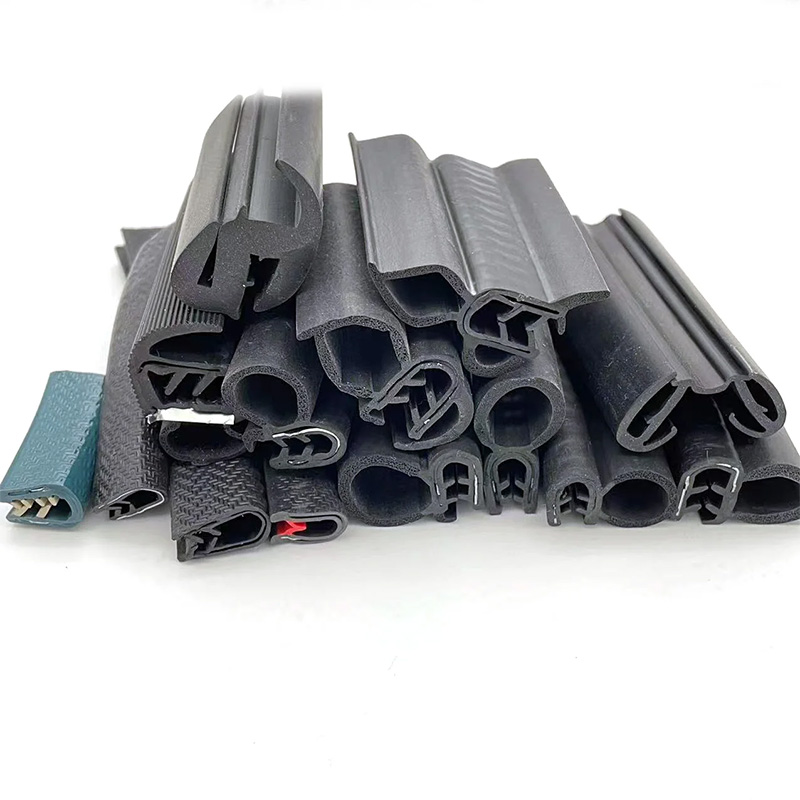
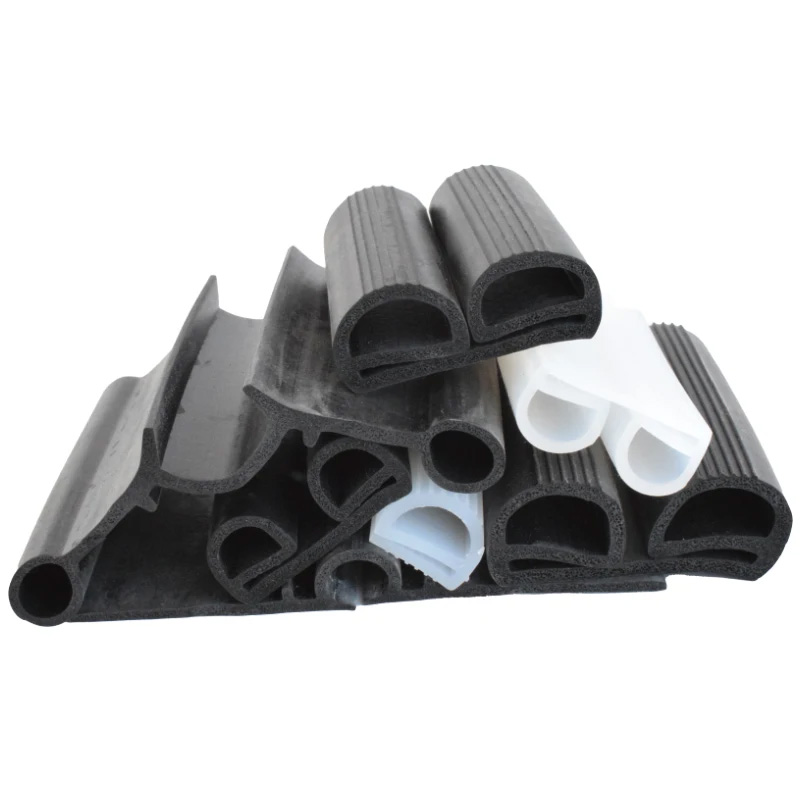
Seals come in various profiles to fit flat, angled, or rounded edges. Their elasticity means they compress when the door closes but snap back without deforming permanently. This flexibility makes installation easy and effective across door types.
3. Cost Efficiency
Compared to full door replacements or major retrofit projects, upgrading a door seal is a low-cost intervention with immediate returns in energy savings and comfort. It’s often the first step in building envelope optimization.
4. Environmental Resistance
Rubber-front door seals don’t just fight weather. Some are chemical resistant or fire retardant — useful in industrial zones or hazardous environments where safety standards are tougher.
5. Easy Maintenance & Replacement
The simplicity of fitting new seal strips or repairing damaged ones saves time and reduces downtime, essential in critical infrastructure like hospitals or data centers.
Product Specification Table
| Feature | Typical Value | Notes |
|---|---|---|
| Material | EPDM Rubber | Most common, UV and ozone resistant |
| Temperature Range | -40°C to 120°C | Suitable for global climates |
| Compression Set | Maintains elasticity after repeated use | |
| Water Resistance | Excellent | Keeps moisture and drafts out |
| Lifespan | 10–15 years | Depends on environment and maintenance |
How Different Vendors Stack Up
Choosing the right supplier can be tricky. Here’s a quick comparison of three leading providers specializing in rubber door seals:
| Vendor | Material Options | Customization | Price Range | Lead Time |
|---|---|---|---|---|
| SealTech Industries | EPDM, Silicone | Full profile custom designs | $$$ | 2-3 Weeks |
| RubberSeal Corp. | EPDM, Neoprene | Standard & semi-custom | $-$$ | 1-2 Weeks |
| EcoSeal Solutions | Recycled Rubber, Silicone | Eco-friendly custom options | $$ | 3-4 Weeks |
Where Rubber Front Door Seals Make a Real Difference
From urban offices to rural clinics, rubber door seals keep the indoors in and the outdoors out. In northern Europe, where heating bills skyrocket in winter, these seals are often mandated by regulation. Meanwhile, in dust-prone regions like parts of Africa or the Middle East, the sealing prevents dirt from compromising air quality indoors.
There’s also a humanitarian angle. In post-disaster relief camps, quick deployment shelters benefit hugely from robust door seals. They protect occupants from elements and help retain some sense of privacy and dignity — a subtle but vital part of enabling recovery.
Mini takeaway: These seals quietly support wellbeing and economic savings across industries and geographies.
The Bottom Line: Advantages & Long-Term Value
- Energy Savings: Reduced heating/cooling loss saves money and carbon emissions.
- Comfort & Security: Less noise, no drafts, enhanced privacy.
- Health & Cleanliness: Blocks dust, pests, and moisture.
- Durability & Low Maintenance: Long-lasting with minimal upkeep.
- Environmental Impact: New materials offer sustainability benefits.
Frankly, it feels like a small piece but in the bigger ecosystem of building efficiency and comfort, it plays a clever and vital role.
Innovations and the Road Ahead
Rubber front door seals are evolving with trends like recycled rubber compounds and bio-based materials to reduce environmental footprints. Some manufacturers integrate smart sensors into seals, detecting airflow leaks or wear — blending digital monitoring with everyday functionality.
Policies encouraging net-zero energy buildings are pushing seal quality higher. Automation for custom-cut seals and faster production cycles are becoming commonplace, making it easier and cheaper to upgrade existing doors without replacing entire frames.
Common Challenges and Expert Tips
Of course, there are issues. Improper installation can render seals ineffective. Some rubber types degrade faster in intense UV or chemical conditions. Also, incompatible seal design with certain door mechanisms may cause sticking or poor closure.
Experts recommend testing seals under local conditions before choosing and maintaining seals regularly to check for cracking or hardening. Sometimes a hybrid approach — combining rubber with silicone or foam seals — works best.
FAQ: Rubber Front Door Seal
- How often should I replace a rubber front door seal?
- Typically, a high-quality rubber door seal lasts 10–15 years, but inspect it yearly for cracks or flattening that compromises sealing.
- Can rubber door seals improve indoor air quality?
- Yes, by blocking dust, pollen, and pollutants from entering through door gaps, they contribute to fresher indoor air.
- Is installing a rubber front door seal difficult for a homeowner?
- Most rubber door seals come with adhesive backing or simple snap-in profiles, making DIY installation quite manageable with basic tools.
- Do seals work in extreme hot or cold climates?
- Good quality EPDM or silicone seals function well between -40°C and 120°C, performing reliably in most climates.
- Where can I find custom rubber front door seals for commercial projects?
- Specialized vendors like SealTech Industries and RubberSeal Corp. offer customization options to fit diverse commercial door profiles.
Wrapping It Up: Why Your Doors Need Rubber Front Door Seals
In the grand scheme, it’s often the small, unassuming components like the rubber front door seal that make a measurable difference. From saving energy to safeguarding health and improving comfort, these seals are foundational to modern building efficiency and resilience.
If you’re thinking of upgrading or specifying, remember — quality materials, correct installation, and maintenance matter as much as the product specs.
Ready to take the next step? Visit our website: https://www.xtshuoding.com and explore top-notch rubber front door sealing solutions that fit your needs.
References & Further Reading
Share
-
Eco Friendly Drawstring Jute Bag Guide for Sustainable PackagingNewsApr.16,2026
-
Elegant Wedding Jute Bags for Sustainable and Rustic Event PackagingNewsApr.09,2026
-
Sustainable Jute Bags for Coffee Packaging and Branding SolutionsNewsApr.07,2026
-
Explore the Benefits of Sustainable Saran Jute Bags for Your BusinessNewsApr.04,2026
-
Sustainable Jute Soap Bags Packaging Solutions for Eco Friendly BrandsNewsMar.31,2026
-
Discover the EcoFriendly Charm of Jute Favor Bags for Every OccasionNewsMar.28,2026