Aluminum Door Rubber Seal – Ultimate Guide to Benefits, Specs, and Trends
The Lowdown on Aluminum Door Rubber Seal: Why It’s a Global Game-Changer
Aluminum door rubber seals might not be the star of tech expos or the headline act in construction magazines, but they play a quiet, pivotal role worldwide. If you haven’t given it much thought before, these kitschy little strips of rubber—mounted snugly on aluminum door frames—help keep the world’s indoor environments comfortable, efficient, and secure. Across climates, industries, and housing needs, understanding the benefits and applications of aluminum door rubber seal is increasingly vital.
At its core, these seals improve insulation, prevent infiltration of dust and water, and reduce noise pollution. But why does that matter beyond just your comfy living room? Well, globally, as cities densify and climate control becomes more energy-dependent, such seemingly small components influence energy efficiency, sustainability goals, and even disaster resilience. So if you’re interested in a blend of tech, environmental stewardship, and practical comfort, aluminum door rubber seals deserve your attention.
Introduction: The Worldwide Context of Aluminum Door Rubber Seal
The global construction and manufacturing industries consumed roughly 55% of the world’s aluminum in 2023, per the International Aluminum Institute. And since aluminum makes great door frames—lightweight, durable, and resistant to corrosion—there’s a growing need for complementary sealing solutions to maximize performance. These rubber seals act as the interface between door and frame, addressing challenges like air leaks, heat loss, and moisture intrusion that can cost billions annually in energy waste and repair.
In global urban centers facing tightening building codes—think: ISO 10077 thermal performance standards or the push for net-zero buildings—reliable sealing technology helps meet those targets. Beyond offices and homes, even emergency shelters in disaster-hit areas rely on these seals for durability and protection from harsh elements. Unfortunately, many regions still grapple with poorly sealed doors causing mold problems or energy spikes. So the industry’s marching towards improved materials and installation techniques.
Mini takeaway: Aluminum door rubber seals aren’t just afterthoughts. They sit at the crossroads of climate goals, comfort, and durability—a small solution for some big global issues.
What Exactly Is an Aluminum Door Rubber Seal?
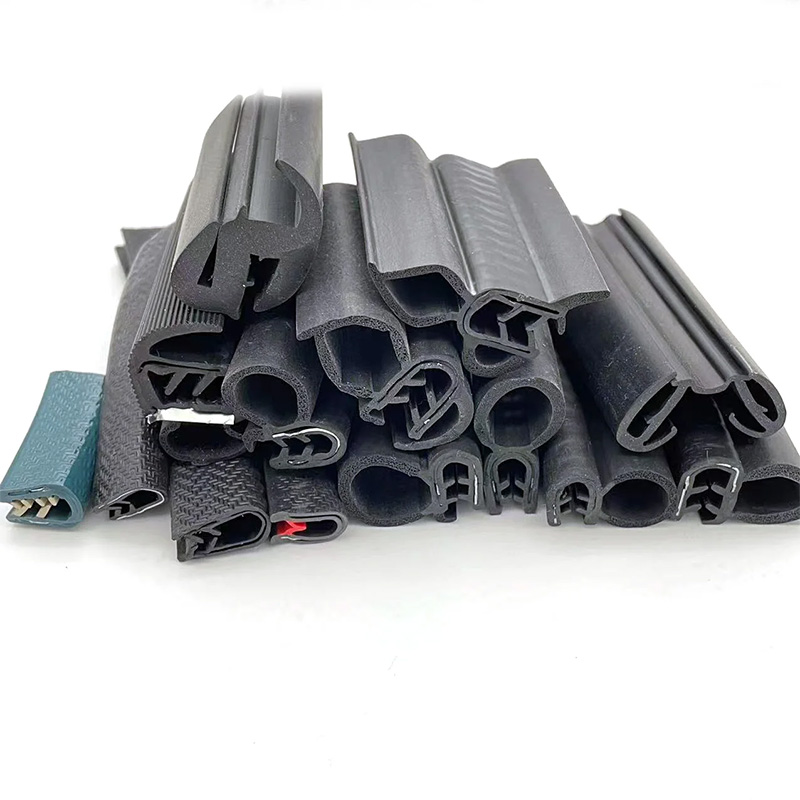
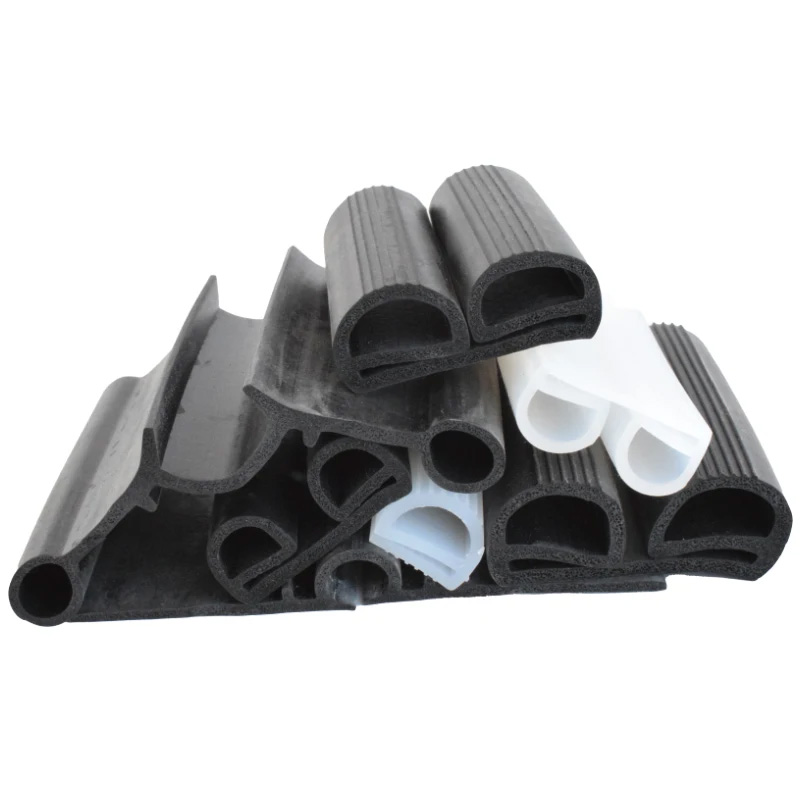
Simply put, an aluminum door rubber seal is a flexible gasket or strip of rubber (usually EPDM, silicone, or thermoplastic elastomers) fitted to an aluminum door’s perimeter. This seal ensures the door closes tightly, forming a barrier against air, dust, sound, water, and even insects. Imagine it as the door’s quiet protector, making sure external conditions stay external.
In humanitarian or industrial contexts, these seals enhance the quality of rapid-build shelters, mobile medical units, or refrigerated containers, ensuring safety and comfort where it counts the most.
Key Features of Aluminum Door Rubber Seals
Durability and Weather Resistance
These seals are engineered to withstand sun, rain, and temperature swings without cracking or shrinking. EPDM rubber is particularly favored for UV resistance and longevity, often lasting over 10 years in harsh climates.
Energy Efficiency
By preventing drafts and heat transfer, they reduce HVAC loads—lowering energy bills and CO2 emissions. This aligns with modern building codes focused on sustainability and carbon neutrality.
Acoustic Insulation
Aluminum frames alone don’t block sound well. The rubber seal suppresses noise by absorbing vibrations and sealing gaps, which matters in busy urban or industrial zones.
Installation Flexibility
The seals come in various profile shapes and can be cut or molded to fit custom doors, making them suitable for both high-volume factory production and on-site customization.
Cost Effectiveness
They’re relatively inexpensive parts that yield outsized savings over time through reduced energy consumption and maintenance.
Product Specification Table: Typical Aluminum Door Rubber Seal
| Specification | Details |
|---|---|
| Material | EPDM Rubber |
| Temperature Range | -40°C to +120°C |
| Compression Set | ≤ 35% after 70 hrs |
| Tensile Strength | ≥ 7 MPa |
| Weather Resistance | Excellent UV & ozone resistance |
| Installation | Self-adhesive backing or mechanical fixing |
Where Aluminum Door Rubber Seals Make a Real Difference
From Scandinavia’s chilly office buildings to Southeast Asia’s humid housing projects, these seals find roles everywhere. Here’s how:
- Residential & Commercial Buildings: Improving energy conservation, soundproofing, and overall comfort.
- Disaster Relief & Temporary Housing: Ensuring quick assembly shelters keep elements out during crises.
- Industrial Facilities: Sealing specialized enclosures where temperature or contamination control matters.
- Transport & Storage: Refrigerated containers and trucks rely on seals to maintain consistent internal climates.
Oddly enough, some NGOs working in remote zones also choose aluminum doors with advanced rubber seals because they offer durability, ease of repair, and better living conditions for displaced families.
Vendor Comparison Table: Aluminum Door Rubber Seal Products
| Vendor | Material Quality | Typical Lifespan | Price Range (USD/m) | Unique Feature |
|---|---|---|---|---|
| SealTech Industries | Premium EPDM | 12 years | $1.80 - $2.50 | Self-adhesive backing with weatherproof coating |
| RubberSeal Co. | Silicone Blend | 10 years | $2.20 - $3.00 | High-temp resistance up to 150°C |
| EcoSeal Solutions | Thermoplastic Elastomers | 8 years | $1.50 - $2.10 | Recyclable & eco-friendly compound |
Why Aluminum Door Rubber Seals Are More Than Just a Niche Product
The immediate advantages are practical—reduced drafts, noise suppression, sticking points with water ingress — but the long-term gains are maybe even more compelling. These seals help lower operational costs, reduce carbon footprints, and improve occupant comfort. They allow buildings and temporary structures to maintain dignity even in extreme conditions, a silent nod to the human desire for warmth, safety, and peace.
And frankly, investing in quality seals can prevent costly repairs later on. It’s a bit like paying a bit more for winter tires that keep your car steady and safe on slick roads.
Emerging Trends: What’s Next for Aluminum Door Rubber Seals?
Materials science keeps pushing the boundaries—think bio-based rubbers and nano-enhanced composites promising better elasticity and longevity. At the same time, automation in manufacturing means these seals get tailored precisely to door specs, speeding up installation and improving fit.
Policy-wise, tighter energy codes worldwide ensure these seals aren’t optional anymore—they’re mandatory in many jurisdictions. Green building certifications also boost demand, encouraging suppliers to offer eco-friendly options.
Challenges in the Field and How Industry Is Tackling Them
One classic problem: sealing effectiveness degrades if the surfaces aren’t clean or smooth, a frustrating reality onsite. Also, harsh chemical environments in industrial zones can degrade some materials prematurely. To counter this, many manufacturers now offer robust coatings or specialized compounds better suited to those challenges.
Installation training is another sticking point—poor fitting ruins otherwise perfect seals. So enhanced quality control and practitioner education programs have become focal points.
FAQ: Common Questions About Aluminum Door Rubber Seals
Q1: How do aluminum door rubber seals improve energy efficiency?
A: They prevent air leakage and minimize heat transfer by creating an airtight barrier between door and frame. This means heating or cooling systems don’t have to work as hard, reducing energy usage and bills.
Q2: Can I install these seals myself, or do I need a professional?
A: Many seals are designed for DIY installation with self-adhesive backings. However, for custom fits or industrial applications, professional installation ensures better longevity and performance.
Q3: How do different rubber materials compare for door seals?
A: EPDM is great for weather resistance and UV durability; silicone handles extreme temperatures but costs more; thermoplastic elastomers offer eco-friendly benefits but might last slightly less.
Q4: Are these seals recyclable or environmentally friendly?
A: Some newer products use recyclable materials or bio-based rubbers, reducing environmental impact. It's best to check with suppliers about green certifications.
Q5: What maintenance do aluminum door rubber seals require?
A: Routine cleaning to remove dirt and debris prolongs life. Inspecting annually for cracks or compression set helps avoid unplanned replacements.
Wrapping It Up: Why Aluminum Door Rubber Seals Matter—and Where to Learn More
It’s funny to think that such a modest component is intertwined with global issues like energy conservation, climate change, and humanitarian resilience. Aluminum door rubber seals are more than just filler items: they’re a quiet frontline against inefficiency and discomfort, and they champion innovation in materials science and design.
So the next time you notice a perfectly sealed door, give a moment’s appreciation to the humble rubber strip working overtime.
For those curious to explore or source high-quality solutions, visit our recommended site: https://www.xtshuoding.com. Because when it comes to seals, small details matter big time.
References
Share
-
Eco Friendly Drawstring Jute Bag Guide for Sustainable PackagingNewsApr.16,2026
-
Elegant Wedding Jute Bags for Sustainable and Rustic Event PackagingNewsApr.09,2026
-
Sustainable Jute Bags for Coffee Packaging and Branding SolutionsNewsApr.07,2026
-
Explore the Benefits of Sustainable Saran Jute Bags for Your BusinessNewsApr.04,2026
-
Sustainable Jute Soap Bags Packaging Solutions for Eco Friendly BrandsNewsMar.31,2026
-
Discover the EcoFriendly Charm of Jute Favor Bags for Every OccasionNewsMar.28,2026