Durable Rubber Seals for Bridges - Enhance Infrastructure Longevity & Safety
Rubber Seals for Bridges: The Unsung Heroes of Infrastructure
When thinking of bridges, majestic arches and towering suspension cables probably come to mind. Yet, hidden in plain sight are small components that make the difference between longevity and costly repairs — rubber seals for bridges. These flexible components form an essential barrier protecting bridge joints from harsh weather and structural wear. Their role is quietly global, affecting millions of commuters and freight routes every day, all while saving governments billions in maintenance.
Understanding rubber seals for bridges is not just an engineering exercise; it’s about infrastructure resilience, public safety, and sustainability at a massive scale.
Global Context: Why Rubber Seals on Bridges Matter More Than Ever
According to the United Nations, over half the world's population now lives in urban areas relying on extensive transportation networks — roads and bridges forming arteries for daily life. Bad weather, wide temperature shifts, and increasing traffic loads push these structures to their limits. The World Bank estimates that 30% of bridge failures worldwide are linked directly to joint deterioration caused by water infiltration and dynamic stresses.
This is where rubber seals for bridges come in. They serve as the flexible interface, accommodating expansion and contraction while blocking out debris and moisture. Without them, cracks open faster, corrosion accelerates, and costly repairs become inevitable.
To put it simply: these seals are a small investment that drastically reduces risk, downtime, and environmental impact globally.
What Are Rubber Seals for Bridges?
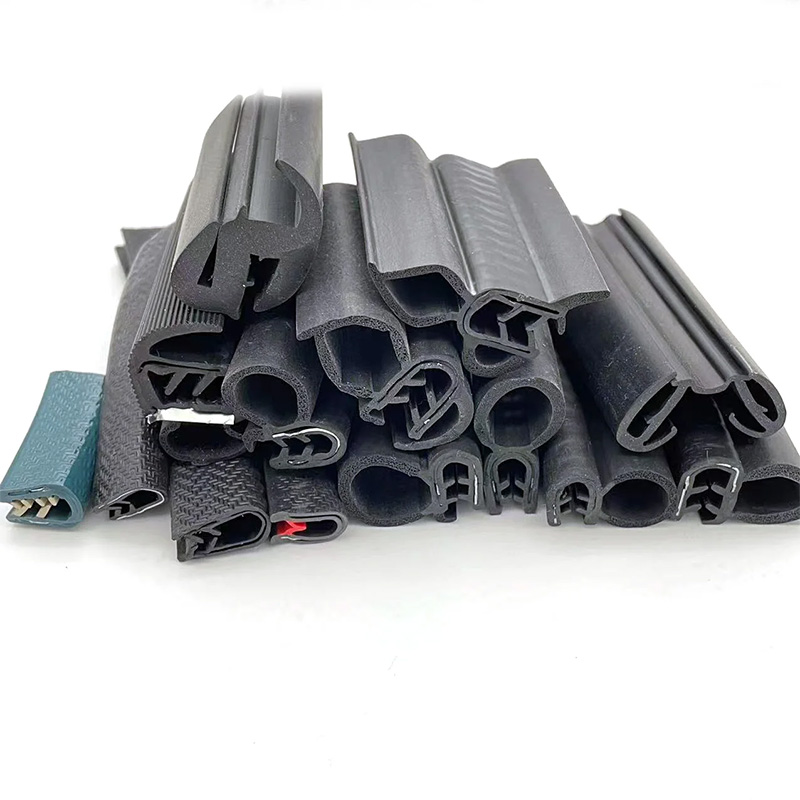
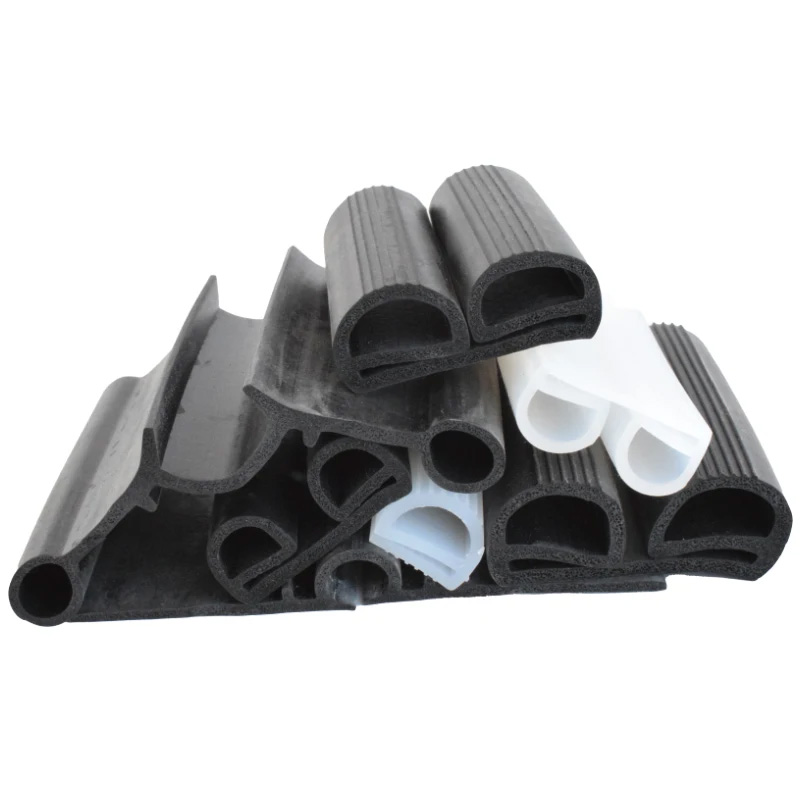
Rubber seals for bridges are specialized elastomeric materials designed to fit into the gaps between bridge segments—those seemingly small joints—which move subtly but significantly as loads pass across a bridge. Think of them as tailored “gaskets” keeping water, salt, dirt, and even insects out of places where steel and concrete meet.
Modern bridge construction and maintenance hinge on such seals, blending industrial materials science with civil engineering. Their flexibility accommodates expansion (think heat) and contraction (cold snaps), reducing stress on the main structure.
Key Factors Defining Effective Bridge Rubber Seals
1. Durability
These seals must endure harsh UV exposure, ice, salt spray, and chemical contaminants for decades. Manufacturers typically use specially formulated silicone or neoprene designed to resist tearing and cracking.
2. Flexibility & Movement Accommodation
Bridges aren’t static; they breathe, sway, and shift slightly depending on load and temperature. A rubber seal must balance firmness with elasticity to bridge these movements without losing its protective seal.
3. Ease of Installation & Maintenance
Since bridge inspections and repairs involve expensive road closures, seals that install quickly and can be inspected or replaced without major downtime save cities and contractors huge sums.
4. Environmental Resistance
These components live in an unforgiving environment. Resistance to ozone, temperature extremes (sometimes from -40°C to 85°C or more), water ingress, and pollutants is crucial.
5. Cost Efficiency
While the upfront cost might seem substantial, the life-cycle cost savings—due to less frequent replacements and reduced structural damage—justify the investment.
Mini takeaway: An effective rubber seal combines robust materials science with practical design, yielding longevity, flexibility, and environmental resistance.
Global Applications & Real-World Use Cases
Bridges across continents from the chilly expanses of Canada to the humid megacities in Southeast Asia rely heavily on advanced rubber sealing solutions. For example:
- In Japan, where seismic activity demands resilience, rubber seals are engineered to absorb shock and accommodate extreme movements.
- The European Union’s infrastructure investment programs emphasize sustainability. Germany, in particular, uses eco-friendly vulcanized rubber seals, reducing the need for early replacements.
- U.S. state departments of transportation often specify seals compliant with the ISO 10845-1 standard for joint sealing, enhancing consistency and durability.
- Emerging economies working on rapid infrastructure development are importing these rubber seals to ensure their bridges meet modern safety benchmarks.
To see the kind of specs we’re talking about, here’s a typical product specification table:
| Specification | Value | Description |
|---|---|---|
| Material | Neoprene EPDM blend | Combines flexibility with UV resistance |
| Temperature Range | -40°C to +85°C | Operates under extreme climates |
| Movement Accommodation | ±50 mm | Allows expansion/contraction |
| Lifespan | 20+ years | Typical replacement cycle |
Advantages & Long-Term Value of Using Rubber Seals on Bridges
Because bridges are such critical urban lifelines, maintenance downtime means lost productivity and noise complaints — not to mention safety concerns. Rubber seals help prevent water intrusion that would otherwise cause rust and expansion joint failures, cutting repair costs significantly.
Plus, from an environmental standpoint, longer-lasting seals reduce material waste and the carbon footprint related to manufacturing and transport. Socially, they contribute to safer travel, especially in climates where freeze-thaw cycles cause massive wear and tear. The peace of mind that comes with knowing a bridge won’t suddenly develop a dangerous fault? Priceless.
Looking Forward: What's Next for Rubber Bridge Seals?
It’s an exciting time. New developments in polymer science are pushing the envelope — imagine rubber seals embedded with smart sensors that monitor stress and temperature in real time, sending alerts before problems arise.
Additionally, greener materials are becoming mainstream, helping companies reduce emissions and meet increasingly strict environmental regulations.
Digital tools also allow engineers to simulate joint movements and optimize seal designs for specific environments, reducing guesswork and overengineering.
Challenges and How Industry Leaders Are Overcoming Them
Of course, no perfect solution exists. Common challenges include premature aging due to unexpected chemical exposure, installation mistakes, and limited compatibility with certain bridge designs.
Innovative manufacturers now focus on modular seal systems adaptable to various joint widths and shapes — and offer on-site installation training to reduce errors.
Another hurdle is long lead times and logistics, especially for remote projects. Some vendors have tackled this by localizing production or solving shipping fragility with novel packaging.
Vendor Comparison: Selecting the Right Supplier
| Vendor | Material Quality | Range of Sizes | Installation Support | Sustainability Initiatives |
|---|---|---|---|---|
| FlexiSeal Corp. | High-grade EPDM | Wide (20–150 mm) | Onsite training & manuals | Recycled materials use |
| BridgeGuard Industries | Custom silicone blends | Medium (30–120 mm) | Limited virtual support | Eco-friendly production plans |
| ElasticJoint Ltd. | Neoprene-EPDM hybrid | Very wide (10–200 mm) | Full project consultancy | Carbon neutral initiative |
FAQ: Common Questions About Rubber Seals for Bridges
Q1: How often should rubber seals for bridges be inspected or replaced?
The typical lifespan of quality rubber seals is around 20 years, but inspections should happen every 2–3 years or after severe weather events. Early detection of cracks or hardening can prevent costly bridge damage.
Q2: Can rubber seals accommodate very large movements on long-span bridges?
Yes. Modern designs and materials can accommodate expansion and contraction movements up to ±50 mm or more. For extremely large movements, modular or multi-component seals are often used.
Q3: Are rubber seals environmentally friendly?
Many manufacturers now produce seals from recycled or sustainably sourced materials. Moreover, because seals extend bridge life and reduce repair frequency, they indirectly contribute to environmental savings.
Q4: How complicated is the installation process?
Installation requires precision but is generally straightforward for trained crews. Proper surface preparation and following manufacturer instructions are key. Many vendors provide onsite support to ensure success.
Q5: How do rubber seals handle extreme climate variations?
Rubber seals designed for bridges must handle temperature ranges from -40°C to over 80°C. Materials like EPDM blend are formulated specifically for this range, maintaining flexibility and durability.
Conclusion
Rubber seals for bridges really are the quiet guardians, keeping vital infrastructure safe, durable, and efficient. By investing a bit more upfront on quality sealing materials, cities and engineers help millions of people cross safer and prevent expensive repairs down the road.
For state-of-the-art bridge sealing products, installation guidance, and solutions tailored to your infrastructure needs, visit https://www.xtshuoding.com — because every bridge deserves the best protection.
Reflection: I noticed while researching this topic that the tiny details of infrastructure — like rubber seals — often get overlooked in favor of headline-grabbing tech such as smart bridges or autonomous transport. But honestly, without these humble components, bigger innovations can’t function reliably. It’s like the classic case of the mouse holding up the elephant’s paw...
References:
Share
-
Eco Friendly Drawstring Jute Bag Guide for Sustainable PackagingNewsApr.16,2026
-
Elegant Wedding Jute Bags for Sustainable and Rustic Event PackagingNewsApr.09,2026
-
Sustainable Jute Bags for Coffee Packaging and Branding SolutionsNewsApr.07,2026
-
Explore the Benefits of Sustainable Saran Jute Bags for Your BusinessNewsApr.04,2026
-
Sustainable Jute Soap Bags Packaging Solutions for Eco Friendly BrandsNewsMar.31,2026
-
Discover the EcoFriendly Charm of Jute Favor Bags for Every OccasionNewsMar.28,2026