Durable Rubber Double Door Seals for Energy Efficiency & Safety | XTShuoding
Understanding Rubber Double Door Seals: Why They Matter on a Global Scale
At first glance, rubber double door seals might seem like just another industrial component—small, unassuming, tucked away inside a door frame. But when you stop and think about it, these seals play a surprisingly big role in everything from energy conservation to safety and hygiene across industries worldwide. They’re the unsung heroes, ensuring that environments stay properly insulated, protected from contaminants, or tightly secured against weather and pests.
Globally, the demand for effective sealing solutions is soaring, especially with increasing regulations on building efficiency and stricter standards in transportation and healthcare. Understanding rubber double door seals isn't just a niche curiosity. It’s critical in reducing energy waste, prolonging the longevity of equipment, and even maintaining public health in hospitals or labs.
Mini takeaway: Rubber double door seals quietly tackle big challenges—keeping spaces airtight, safe, and efficient in an increasingly interconnected and regulated world.
The Global Context: Why Rubber Double Door Seals Are Everywhere
According to the International Energy Agency (IEA), buildings account for nearly 40% of global energy consumption. A considerable chunk of that energy loss happens due to poorly sealed doors and windows. Rubber double door seals address this head-on by minimizing air leakage and preserving climate control. Oddly enough, this small component serves as a frontline effort against global energy waste.
On another front, the World Health Organization highlights that infectious diseases can spread rapidly through contaminated environments, especially in healthcare or food processing sectors. Seals that prevent ingress of dust, microbes, or chemicals become critical safeguards. Industries from pharmaceuticals to aerospace rely heavily on tight environmental control offered partly by these seals.
From an industrial design perspective, manufacturers face a constant tug-of-war between durability, cost, and ecological impact. Rubber double door seals, typically made from materials complying with ISO standards like ISO 4630 (Rubber seals requirements), offer a balance that few components can.
Mini takeaway: Whether cutting energy costs or upholding sanitation, rubber double door seals stand at the junction of global energy concerns, public health, and industry standards.
What Are Rubber Double Door Seals? A Simple Definition
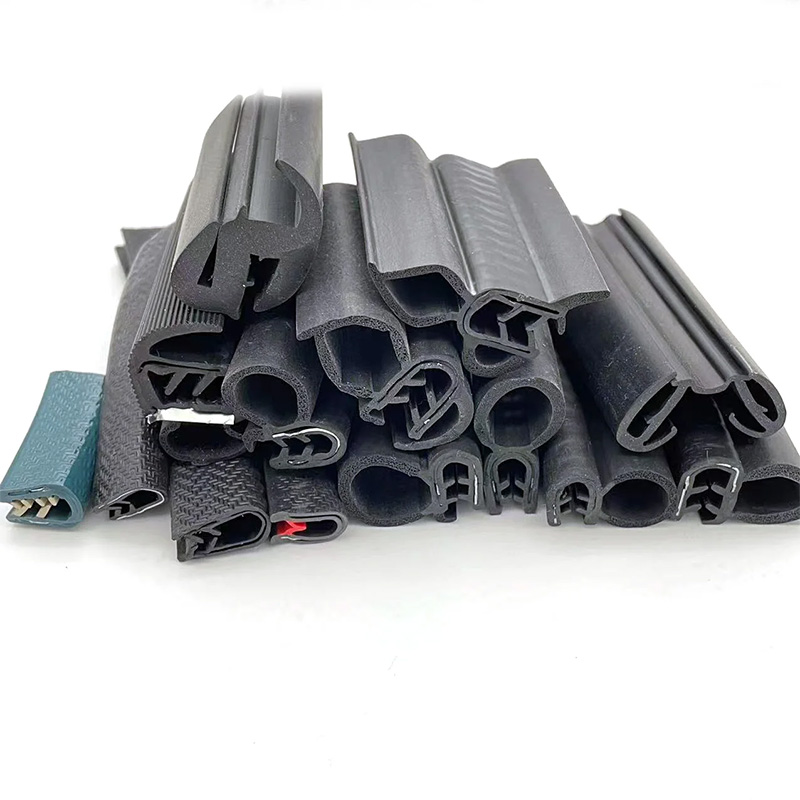
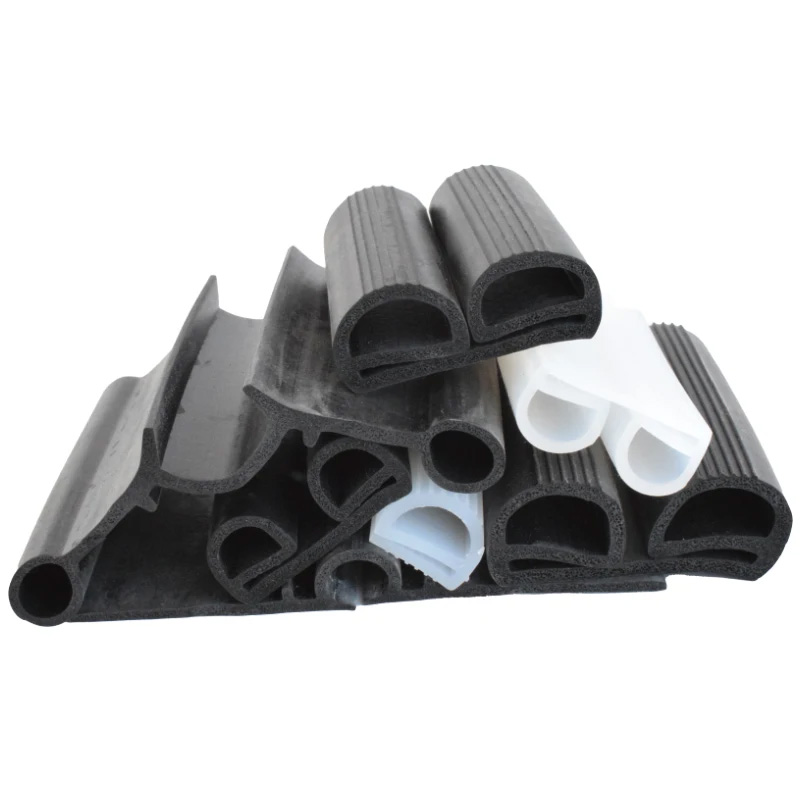
At their core, rubber double door seals are strips or profiles made primarily of rubber materials—such as EPDM, silicone, or neoprene—that are fitted on both edges of double doors. Their job is to create a continuous, flexible barrier when the door closes, preventing the passage of air, water, dust, or noise.
They’re not just sealing the gap but ensuring that the doors perform their function better—be that climate control, soundproofing, or contamination control. In practical terms, think of them as the flexible interface between two otherwise hard surfaces, quietly adapting and absorbing irregularities.
In humanitarian contexts, such as temporary shelters or field hospitals, double door seals keep environments livable and safe amid harsh or unpredictable conditions. Reliability here isn’t just a convenience; it can be a matter of life and dignity—protecting from dust storms, water ingress, or pathogens.
Key Components of Effective Rubber Double Door Seals
1. Durability
Durability is king. These seals have to withstand a continuous cycle of compression and relaxation, plus exposure to UV, ozone, chemicals, and sometimes extreme temperatures. Materials like EPDM excel here, surviving decades without significant deterioration.
2. Flexibility and Fit
Nothing kills a seal faster than a poor fit. Each rubber profile must be flexible enough to conform to tiny gaps or door motion irregularities but firm enough to maintain contact pressure. Manufacturers invest heavily in design iterations to nail this balance.
3. Resistance to Environmental Factors
Whether it’s constant rain, salt spray near coastal facilities, or chemicals in industrial plants, the seal’s resistance to environmental degradation defines its lifespan and reliability.
4. Cost Efficiency
Of course, budgets matter. While some high-end materials offer exceptional performance, companies often weigh these gains against installation and replacement costs. The best rubber double door seals strike a cost-quality equilibrium.
5. Compliance and Safety Standards
Especially for medical or food industry usage, seals must comply with standards like FDA regulations or ISO 22000 for food safety, highlighting their role beyond mere physical isolation.
Mini takeaway: A great seal isn’t just rubber—it’s a mix of engineering, material science, and a deep understanding of real-world conditions.
Real-World Applications: Where Rubber Double Door Seals Shine
Industries and environments benefiting from rubber double door seals include:
- Healthcare and Laboratories: Tight seals maintain sterile conditions and prevent cross-contamination.
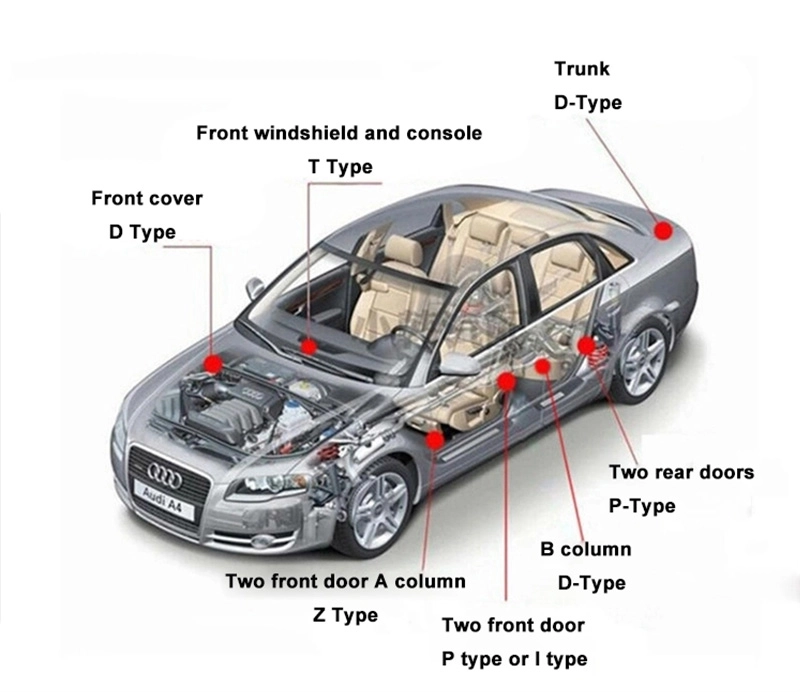
- Transportation: Trains, trucks, even aircraft doors use these seals to reduce noise and improve climate control.
- Food Processing Plants: Prevent moisture ingress and maintain hygiene standards.
- Disaster Relief Operations: Temporary shelters and mobile clinics rely on seals to protect from dust, drafts, and water ingress.
- Remote Industrial Sites: Mines or oil rigs need durable seals to maintain equipment integrity and reduce maintenance downtime.
For instance, a UN-funded project in Southeast Asia used rubber double door seals in modular health clinics, which helped drastically reduce airborne contamination during the rainy season—allowing the clinics to operate safely and continuously.
Advantages and Long-Term Value of Rubber Double Door Seals
Why do so many engineers swear by good seals? In concrete terms:
- Energy Savings: Proper seals reduce heating and cooling costs significantly.
- Health & Hygiene: In sensitive locations, they help maintain sterile environments.
- Equipment Longevity: Protection from moisture and dust lowers repair frequency.
- Social Impact: In humanitarian shelters, seals contribute to dignity and safety.
- Environmental Sustainability: Longer-lasting, recyclable rubber compounds are now common.
On an emotional level, one could say, a robust rubber seal is a silent guardian—working seamlessly in the background so you don’t have to worry. Trust here isn’t just about specs. It’s about peace of mind.
Innovations and Future Trends in Rubber Double Door Seals
Looking ahead, the industry is buzzing with exciting developments:
- Eco-Friendly Materials: Biodegradable and recycled rubber blends aim to reduce the environmental footprint.
- Smart Seals: Integration of sensors to monitor seal integrity and alert for replacement needs.
- Advanced Testing Methods: Automated durability and weathering simulators shorten R&D cycles.
- Customized Designs: 3D printing helps produce bespoke seals for irregular door geometries.
- Regulatory Push: Governments pushing for tighter building codes increase demand for high-performance sealing.
Common Challenges & How Experts Overcome Them
It’s not all smooth sailing. Some issues firms encounter include:
- Seal Wear & Tear: Constant compression can lead to material fatigue. Solutions include newer elastomer blends and periodic maintenance protocols.
- Installation Errors: Improper fitting ruins performance. More manufacturer-led installation training is helping fill this gap.
- Cost Constraints: Balancing high performance with budgets is tricky. Modular design concepts ease replacement expenses.
Product Specification Table
| Specification | Typical Value | Unit |
|---|---|---|
| Material | EPDM Rubber | |
| Temperature Range | -40 to 120 | °C |
| Compression Set | 20% | @ 70% Compression |
| Tensile Strength | 12 MPa | |
| Shore Hardness | 65A |
Vendor Comparison Table
| Vendor | Material Options | Lead Time | Custom Design Capability | Price Range |
|---|---|---|---|---|
| SealTech Industries | EPDM, Silicone, Neoprene | 2-3 Weeks | Yes (3D Print Prototypes) | $$ |
| Global Seal Co. | EPDM only | 1-2 Weeks | Limited | $ |
| EcoSeal Solutions | Recycled Rubber Blends | 3-4 Weeks | Yes (Eco Certification) | $$$ |
FAQ: Your Questions About Rubber Double Door Seals
Q1: How do rubber double door seals improve energy efficiency in buildings?
A1: By creating a flexible, airtight barrier in door gaps, these seals prevent unwanted air exchange between inside and outside, reducing heating and cooling losses. This not only lowers your energy bill but also contributes to environmental goals by cutting emissions.
Q2: Can rubber double door seals be customized for irregular door shapes?
A2: Absolutely. Many vendors now offer custom profiles using advanced molding or even 3D printing techniques, ensuring even odd or non-standard door dimensions get a perfect seal.
Q3: What types of rubber are most common for these seals and why?
A3: EPDM is a go-to because of its excellent weather, ozone, and temperature resistance. Silicone rubber is chosen when higher temperatures or chemical resistance is needed. Neoprene is another versatile choice, especially in industrial environments.
Q4: How often should rubber door seals be inspected or replaced?
A4: Generally, an annual inspection is advised. Depending on exposure and usage, replacement might be necessary every 5 to 10 years, or sooner if visible wear or cracks appear.
Wrapping It Up
Rubber double door seals may fly under the radar, but their impact is profound—from reducing global energy consumption to maintaining vital sterile environments. As materials and manufacturing improve, these seals become smarter, greener, and even more adaptable.
If you’re considering upgrading or specifying seals for your project, don’t overlook their subtle power. For more insights or to explore a wide range of rubber double door seals, visit rubber double door seals to discover quality and expertise that lasts.
References
Share
-
Eco Friendly Drawstring Jute Bag Guide for Sustainable PackagingNewsApr.16,2026
-
Elegant Wedding Jute Bags for Sustainable and Rustic Event PackagingNewsApr.09,2026
-
Sustainable Jute Bags for Coffee Packaging and Branding SolutionsNewsApr.07,2026
-
Explore the Benefits of Sustainable Saran Jute Bags for Your BusinessNewsApr.04,2026
-
Sustainable Jute Soap Bags Packaging Solutions for Eco Friendly BrandsNewsMar.31,2026
-
Discover the EcoFriendly Charm of Jute Favor Bags for Every OccasionNewsMar.28,2026