The Complete Guide to Rubber Seals for Window Doors – Benefits & Innovations
Understanding Rubber Seals for Window Doors: Why They Matter in Today’s World
Ever paused to think about how something as simple as a rubber seal for window door quietly impacts millions of lives around the globe? It might seem like a small detail, but in reality, this component plays a massive role in energy efficiency, weatherproofing, and even safety across buildings and vehicles. Learning about these often-overlooked seals means understanding a piece of the puzzle that makes our homes warmer, offices quieter, and transport more reliable.
Globally, as urbanization accelerates and industries push for sustainability, efficient sealing mechanisms become more essential — both for reducing carbon footprints and for maintaining comfort. In harsh climates or disaster-hit zones, a good rubber seal can literally be the difference between damaged interiors or a dry, secure shelter. So yes, it matters—more than one might guess at first glance.
The Global Context: How Rubber Seals Influence Construction and Industry
According to data from the International Energy Agency, buildings account for nearly 40% of global energy consumption. One of the easiest solutions to cut down on heating and cooling losses is proper sealing of windows and doors — largely done with rubber seals or gaskets. The ISO 14001 environmental standards encourage using materials that improve energy efficiency and minimize emissions, pushing the rubber seal market further.
But there’s a challenge: markets worldwide struggle with quality consistency and the environmental impact of traditional rubber production. In regions with harsh winters or tropical storms — say, Scandinavia or Southeast Asia — the demand for high-performance rubber seals that withstand temperature swings and UV exposure is surging. It's a subtle but vital problem, because an ineffective seal can result in water leakage, drafts, or mold growth.
Defining Rubber Seals for Windows and Doors
So, what exactly is a rubber seal for window door? At its core, it’s a flexible material—often synthetic rubber or elastomer—that fits snugly between the edges of a window or door and its frame. This rubber barrier blocks air, water, dust, and noise from passing through pesky gaps that otherwise exist.
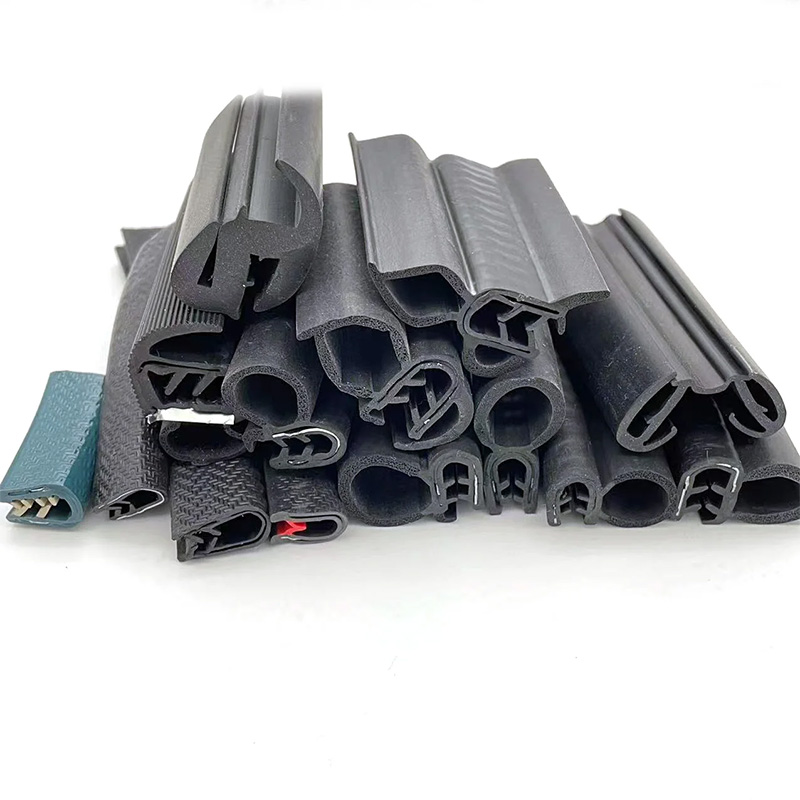
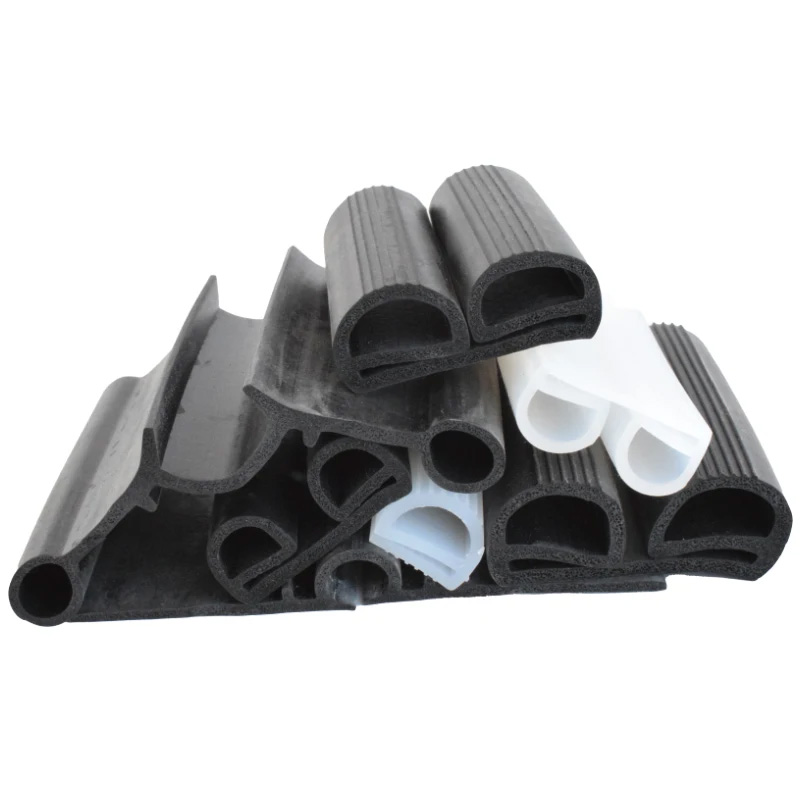
They come in all shapes — from simple flat strips to complex hollow profiles — and are engineered to compress and return to shape, ensuring tight contact without warping. In modern manufacturing, rubber seals usually combine materials like EPDM, silicone, or neoprene, chosen for weather resistance, elasticity, and longevity.
Industry-wide, these seals are indispensable in buildings, vehicles, appliances, and even aerospace, where a perfect seal is a tiny but critical engineering success.
Key Features of Rubber Seals for Window Doors
1. Durability
Exceptional resistance to weather extremes — UV rays, rain, freezing cold — means choosing the right compound is crucial. EPDM rubber is celebrated for lasting over 20 years outdoors without cracking or losing elasticity.
2. Energy Efficiency
Seals limit heat transfer, keeping interiors cozy or cool without overworking HVAC systems. This not only cuts energy bills but also lowers CO2 emissions.
3. Acoustic Insulation
A lesser-known perk: these seals help dampen noise, making them cherished in noisy urban settings or busy highways.
4. Ease of Installation & Maintenance
Many manufacturers design seals to be self-adhesive or snap-in, reducing labor time and errors during installation.
5. Customizability
Profiles can be tailored in hardness, thickness, and length to fit unique architectural specifications.
6. Cost Efficiency
Compared to full window or door replacements, upgrading or maintaining seals is an affordable way to up your weatherproofing game.
Rubber Seal Applications Around the World
These seals are everywhere, often hidden but crucial. Here are some areas adopting or depending on them heavily:
- Residential and Commercial Buildings: In Europe, strict building codes require efficient sealing to meet thermal insulation standards.
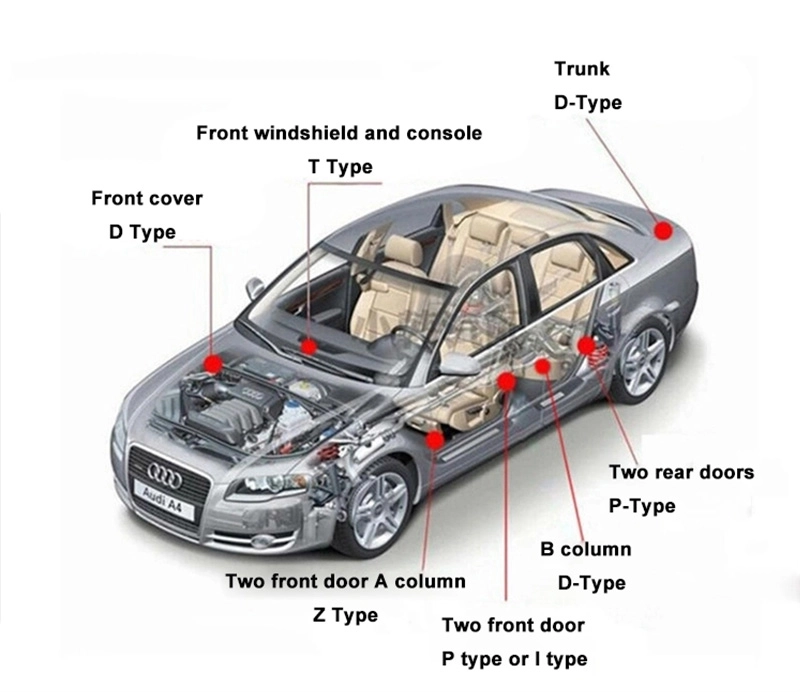
- Transportation Industry: From cars to trains, rubber seals prevent drafts, reduce vibration, and protect electronics.
- Disaster Relief Shelters: In emergency housing units in flood-prone regions (think Bangladesh or Haiti), quality seals ensure dryness and safety.
- Industrial Warehouses: Sealed doors reduce dust ingress, critical for food or pharmaceutical production zones worldwide.
In far-flung industrial zones of South America, installers have noticed that upgrading seals cut down heating costs by nearly 15%. When it rains, workers laugh less about leaking leaks—a small but important win.
Product Specification Table: Typical Rubber Seal for Window Door
| Specification | Typical Range / Value | Unit |
|---|---|---|
| Material | EPDM Rubber | – |
| Hardness (Shore A) | 60-75 | – |
| Temperature Range | -40 to 120 | °C |
| Compression Set | Max 25% | % |
| Length | 5 – 20 | meters per roll |
| Color Options | Black, Grey, Custom | – |
Comparing Leading Rubber Seal Vendors
| Vendor | Material Quality | Customization Options | Price Range | Lead Time |
|---|---|---|---|---|
| SealPro Inc. | High-grade EPDM | Full profile design | $$$ | 2-3 weeks |
| FlexSeal Ltd. | Medium-grade Silicone | Standard shapes only | $$ | 1 week |
| Duraseal Corp. | Premium Neoprene | Custom sizes/colors | $$$ | 3-4 weeks |
Advantages and Long-Term Value of Rubber Seals
Beyond the obvious energy savings and comfort improvements, rubber seals deliver long-lasting value in ways that often go unnoticed. For one, they help preserve building materials by keeping moisture out — less rot, fewer repairs, and better indoor air quality. There's also the human factor: a well-sealed door or window means a quieter, safer environment that supports wellbeing.
Moreover, many architects and engineers praise rubber seals for their adaptability to green building certifications, acting as small but crucial cogs in achieving LEED credits or Meeting Passive House standards.
All these factors combine into trust: trust that you’re getting a product that lasts, improves health and comfort, and helps the planet at the same time.
Spotlight on Upcoming Trends & Innovations
What’s next in the rubber seal arena? Several exciting trends are underway:
- Eco-Friendly Materials: Bio-based and recyclable rubbers are emerging, slashing environmental impact while maintaining performance.
- Smart Seals: Embedded sensors to monitor seal integrity or temperature changes are being prototyped, promising predictive maintenance.
- Advanced Formulations: New additives improve UV resistance, antifungal properties, and durability, extending service life further.
- Automation in Manufacturing: Robotics and AI-driven profile customization enhance precision and reduce production errors.
Oddly enough, even this humble product is riding the wave of digital transformation and climate consciousness.
Challenges in Using Rubber Seals and How Experts Tackle Them
Still, nothing’s perfect. Common issues include premature seal failure due to poor installation, chemical degradation in polluted environments, or wrong material choices leading to brittleness. Experts suggest:
- Choosing the right rubber formulation for the local climate and expected stressors.
- Training installers carefully — a great seal can fail if applied improperly.
- Exploring hybrid sealing systems combining rubber with foam or metal for tough conditions.
Manufacturers and engineers recommend thorough quality control and field testing, which ultimately save costs and headaches down the line.
FAQ: Your Top Questions About Rubber Seals for Window Doors
- Q: How often should rubber seals on windows and doors be replaced?
- A: Generally, high-quality rubber seals can last 10-20 years. However, exposure to harsh sunlight, temperature swings, and physical wear can shorten this. Inspect seals annually for cracks or compression, and replace if leaks or drafts appear.
- Q: Can rubber seals improve energy efficiency significantly?
- A: Absolutely. Properly installed seals reduce air leaks, cutting heating and cooling costs by up to 15%. It’s among the most cost-effective energy-saving upgrades for existing buildings.
- Q: Are silicone seals better than EPDM for window applications?
- A: Silicone offers superior temperature resistance and longevity but tends to be pricier. EPDM strikes a good balance of cost and durability for most standard window and door sealing needs.
- Q: Can I install rubber seals myself?
- A: Many seals come with adhesive backing for DIY installation. However, precision is key—improper installation can create leaks. For complex profiles or commercial setups, it’s wise to consult professionals.
- Q: How are rubber seals manufactured?
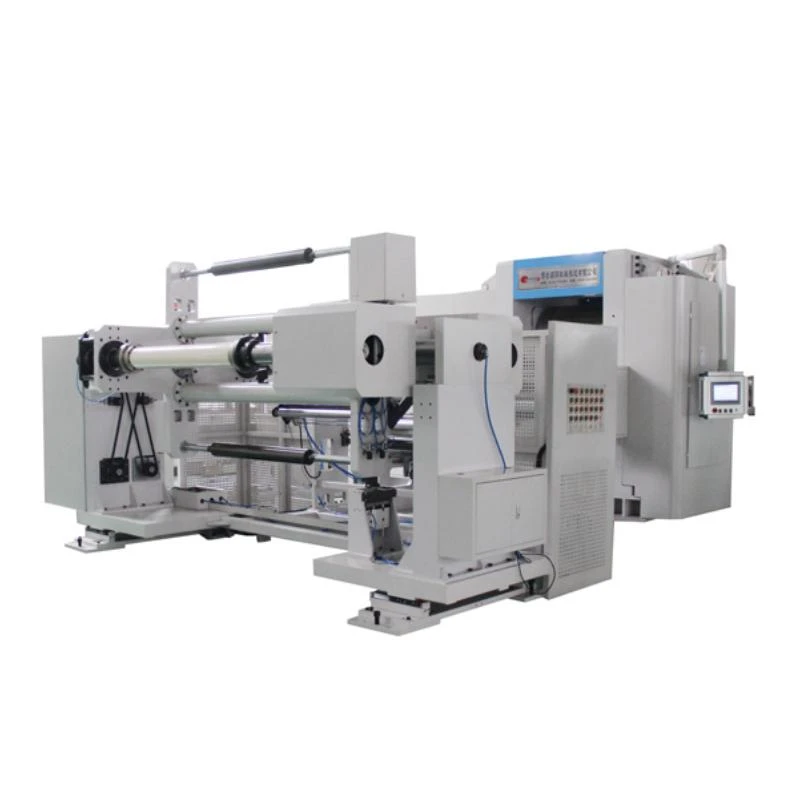
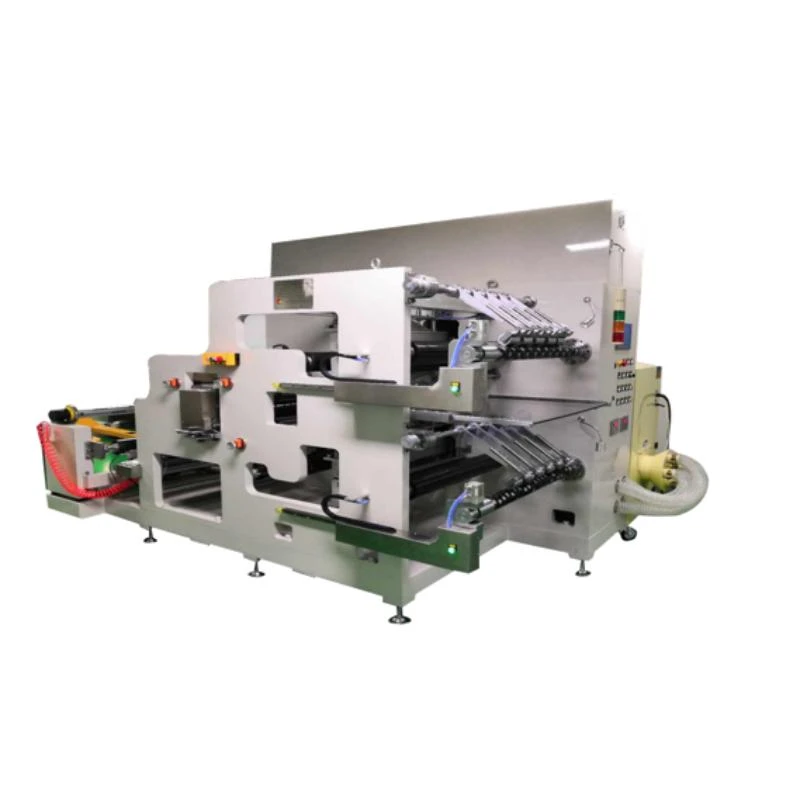
- A: Common methods include extrusion and molding. Extruded seals allow continuous lengths and consistent profiles, making them ideal for standard windows and doors.
Conclusion: Small Component, Big Impact
At the end of the day, the rubber seal for window door isn’t just a strip of material but a linchpin in quality construction, environmental responsibility, and occupant well-being. With advances in materials and manufacturing, plus a growing global push for sustainability, these seals will remain quietly essential for decades.
If you’re looking for reliable performance and competitive pricing on high-quality rubber seals, I encourage you to explore options at our trusted vendor. Securing your windows and doors better means locking in savings, comfort, and peace of mind.
And hey, next time you close a door or window, take a brief moment to appreciate the humble seal that makes it all snug and safe.
References & Further Reading
Share
-
Eco Friendly Drawstring Jute Bag Guide for Sustainable PackagingNewsApr.16,2026
-
Elegant Wedding Jute Bags for Sustainable and Rustic Event PackagingNewsApr.09,2026
-
Sustainable Jute Bags for Coffee Packaging and Branding SolutionsNewsApr.07,2026
-
Explore the Benefits of Sustainable Saran Jute Bags for Your BusinessNewsApr.04,2026
-
Sustainable Jute Soap Bags Packaging Solutions for Eco Friendly BrandsNewsMar.31,2026
-
Discover the EcoFriendly Charm of Jute Favor Bags for Every OccasionNewsMar.28,2026