Durable Rubber Car Door Seal Strip Solutions for Superior Vehicle Comfort
Why the Rubber Car Door Seal Strip Is More Important Than You Think
When we think of car door seal strips, few realize just how pivotal these simple pieces of rubber car door seal strip are in the grand scheme of automotive design, safety, and comfort. Yet, their role extends far beyond just sealing doors shut — they influence fuel efficiency, reduce noise pollution, and even impact environmental sustainability. Globally, billions of vehicles operate daily, relying on this unassuming strip to shield passengers from the outside world’s noise and elements.
Understanding its significance helps manufacturers innovate lighter, more resilient designs that ultimately enhance driving experiences worldwide. And, frankly, in an age where consumer expectations are sky-high, neglecting this tiny component isn’t an option.
Introduction: The Global Context of Rubber Car Door Seal Strips
Worldwide, the automotive industry produces over 70 million new vehicles annually, according to data from the International Organization of Motor Vehicle Manufacturers (OICA). Each vehicle requires dozens of rubber sealing strips—a small but vital detail for durability and comfort. These seals reduce energy loss by protecting the vehicle’s interior environment, cutting air leaks that might make climate control inefficient.
However, manufacturing and sourcing quality rubber car door seal strips come with challenges. Raw material shortages, fluctuating rubber prices, and environmental concerns around synthetic compounds push the industry toward better solutions. ISO standards (particularly ISO 188, regarding rubber aging) ensure these strips meet durability requirements, but still, the quest for high-performance sealing solutions continues.
In real terms, imagine driving through a torrential storm or a noisy construction zone. Without well-designed door seals, you’d be drenched in water or overwhelmed by sound. That's the problem this product seeks to solve every day.
What Exactly Is a Rubber Car Door Seal Strip?
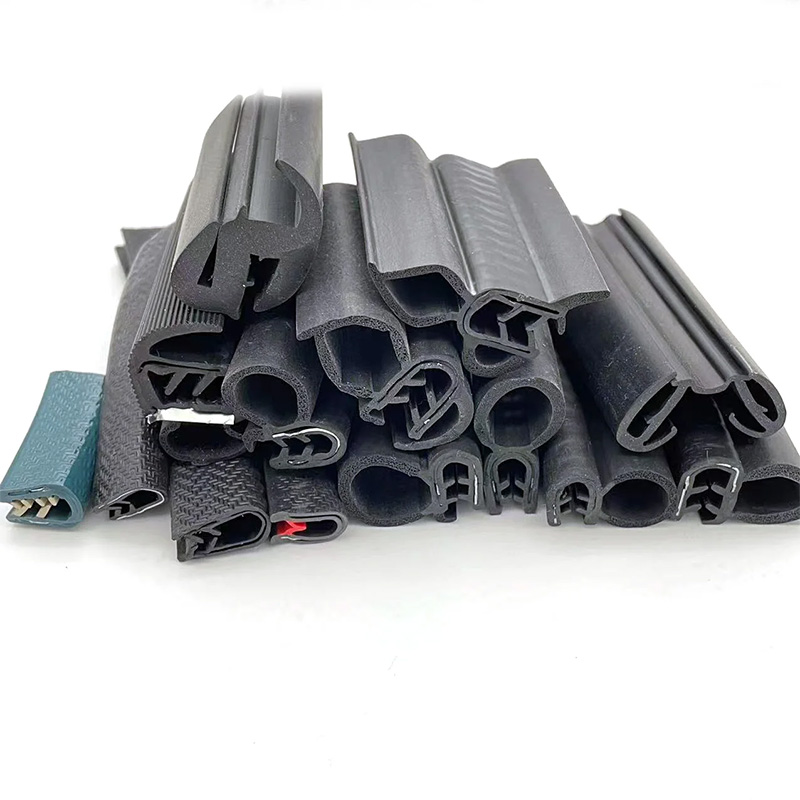
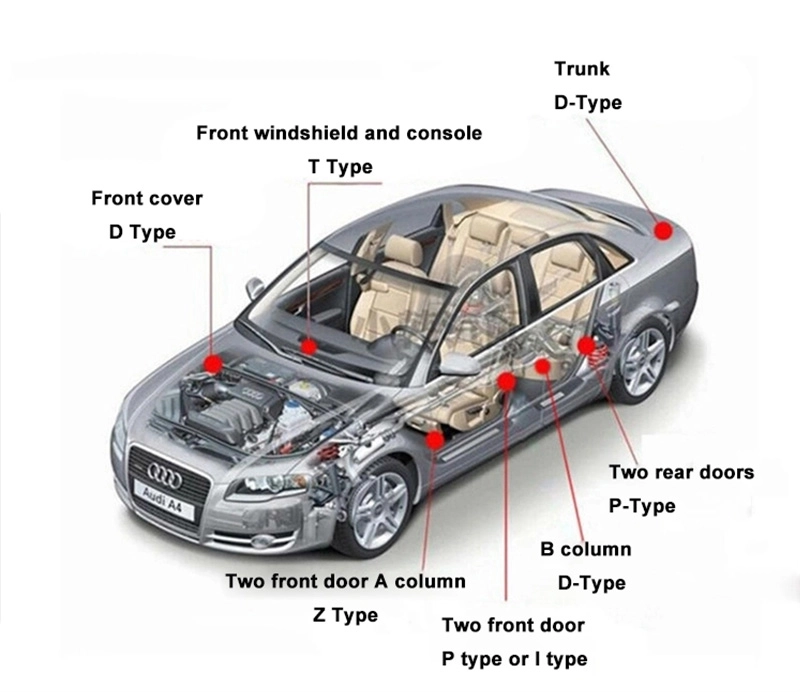
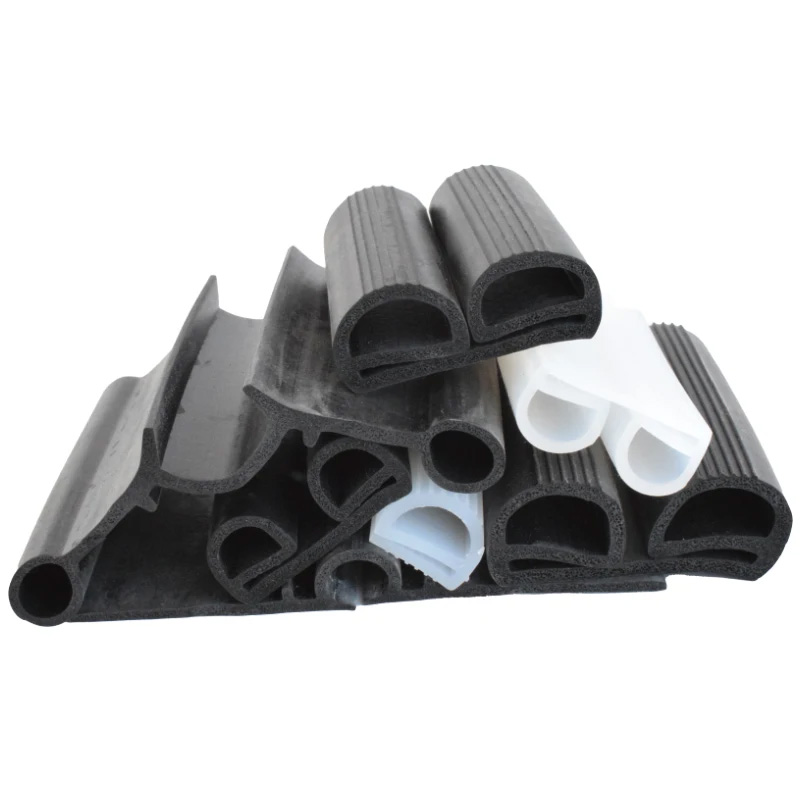
Put simply, the rubber car door seal strip is a slender, flexible gasket usually made of synthetic or natural rubber that adheres around the edges of vehicle doors and windows. It acts as a barrier against water, dust, air, and noise penetration. These seals are custom-shaped to match specific vehicle curves and hinges, sometimes integrated with metal or foam inserts for extra rigidity or cushioning.
These rubber seals are increasingly important beyond passenger comfort. For instance, in humanitarian vehicle fleets operating in harsh climates or rugged terrains, durable door seals maintain cabin integrity, preserving critical communications and equipment.
Core Components and Why They Matter
1. Durability & Weather Resistance
The seal must withstand heat, cold, UV exposure, and chemical agents like oils or road salts. Materials like EPDM (ethylene propylene diene monomer) rubber are popular for their incredible endurance and flexibility under extreme conditions.
2. Noise Reduction
Seals dampen vibrations and block external noise, crucial for urban drivers who often deal with intense traffic sounds. This factor ties directly into user comfort and perceived vehicle quality.
3. Energy Efficiency
A tight seal reduces air leakage, helping maintain cabin temperature and easing the load on HVAC systems. Over time, better seals mean lower fuel consumption or energy use for electric vehicles.
4. Ease of Installation and Replacement
Whether during assembly or maintenance, the design must allow for quick fitting or swaps without damaging adjoining parts — saving time and money for service centers.
5. Customization & Compatibility
Different models, years, and makes need tailored seal strips, which has led to bespoke solutions that fit a range of cars, SUVs, and trucks. This customization is key for ensuring long-term performance.
Mini takeaway: Without reliable materials and tailored design, rubber door seals can degrade quickly, leading to noise, leaks, and costly repairs.
Global Applications and Real-World Use Cases
Rubber car door seal strips feature prominently across every corner of motor vehicle production. In North America and Europe, stringent noise and emissions regulations make premium sealing essential. Over in Asia, where high humidity and monsoon rains dominate, water resistance is critical.
In post-disaster relief operations, vehicles equipped with dependable seals maintain interior livability for first responders — shielding medical supplies and communication devices from dust and water. Similarly, in remote industrial zones, heavy machinery cabins use these seals to protect operators from harsh weather and dust, enhancing safety and productivity.
Even taxi and ride-share fleets in bustling cities depend on robust door seals to ensure a quieter cabin atmosphere for passengers, contributing to better customer satisfaction.
Advantages and Long-Term Value of Quality Rubber Car Door Seal Strips
- Cost Efficiency: Though small, proper door seals reduce wear on HVAC systems and lower fuel or electricity costs by maintaining cabin temperature.
- Sustainability: Many manufacturers are shifting toward recyclable or bio-based rubber to lower environmental impact.
- Safety & Comfort: They keep harmful elements and noise out, preserving passenger health and wellbeing.
- Reliability: Long-lasting seals cut down on frequent replacements, reducing waste and maintenance headaches.
Emotionally speaking, every driver appreciates the quiet hum of a well-sealed vehicle on a long road trip — a small but invaluable comfort.
Product Specification Table
| Specification | Typical Value | Unit |
|---|---|---|
| Material | EPDM Rubber | |
| Hardness (Shore A) | 55-65 | |
| Operating Temperature Range | -40 to 120 | °C |
| Tensile Strength | 10-15 | MPa |
| Elongation at Break | 300-500 | % |
Comparing Rubber Car Door Seal Strip Vendors
| Vendor | Material Quality | Customization Range | Price | Delivery Time |
|---|---|---|---|---|
| XTS Manufacturing | High (EPDM, custom blends) | Extensive | Competitive | 2-3 weeks |
| Generic Seal Co. | Medium (Standard EPDM) | Limited | Lower | 3-5 weeks |
| EcoSeal Ltd. | High (Bio-based Materials) | Moderate | Higher | 4 weeks |
Looking Ahead: Future Trends and Innovations
Exciting advances are happening in rubber car door seal strips. There’s a strong push toward sustainability—bio-based rubbers derived from natural and renewable sources are gaining traction, reducing reliance on petroleum-based materials. Smart seals embedded with sensors might soon monitor their own wear and tear, alerting drivers or fleets when replacements are needed. In parallel, digital manufacturing, like 3D printing, could enable rapid prototyping of customized designs, speeding innovation.
As electric vehicles surge, energy efficiency becomes even more critical, giving these seal strips an even bigger role to play. Oddly enough, in a tech-heavy world, something so humble remains crucial.
Challenges and How Experts Are Tackling Them
Despite impressive progress, challenges remain. Rubber degradation over time—due to ozone, UV light, or temperature swings—still limits seal lifespan. Sourcing sustainable raw materials at scalable costs is tricky. There’s also the task of balancing softness for sealing with firmness for durability.
Innovative additives and hybrid composites are emerging to slow aging and boost resilience. Suppliers like XTS Manufacturing invest heavily in material R&D and accelerated aging tests to simulate real-world conditions.
FAQ: Common Questions About Rubber Car Door Seal Strips
Q1: How long does a typical rubber car door seal strip last?
A: Generally, high-quality strips last 5-10 years, depending on climate and use. Harsh weather can shorten lifespan.
Q2: Can I replace just the seal strip myself?
A: Yes, many strips are designed for DIY replacement with simple tools, but professional help is recommended to ensure a proper seal.
Q3: Are all rubber seals eco-friendly?
A: Not yet. Most use synthetic rubbers, though more eco-friendly bio-rubber options are growing in availability.
Q4: Does a damaged seal affect fuel efficiency?
A: Absolutely. Gaps let air escape or enter, making climate control work harder and reducing fuel economy.
Q5: Where can I buy customized rubber car door seal strips?
A: Specialized vendors like XTS Manufacturing offer custom solutions tailored to specific vehicle models.
Wrapping Up: Why Rubber Car Door Seal Strips Still Matter
It's fascinating how such an overlooked piece—the rubber car door seal strip—plays an outsized role in making cars safer, quieter, and more energy-efficient. Advances in material science and manufacturing ensure these small parts keep pace with industry demands and environmental needs, quietly supporting a better driving experience worldwide.
Curious to learn more or find the perfect seal for your vehicle? Visit our website: https://www.xtshuoding.com — innovation is just around the corner.
Final thought: Next time you hear a car door click shut and feel that satisfying silence, remember the humble rubber seal doing its job, silently.
References
Share
-
Eco Friendly Drawstring Jute Bag Guide for Sustainable PackagingNewsApr.16,2026
-
Elegant Wedding Jute Bags for Sustainable and Rustic Event PackagingNewsApr.09,2026
-
Sustainable Jute Bags for Coffee Packaging and Branding SolutionsNewsApr.07,2026
-
Explore the Benefits of Sustainable Saran Jute Bags for Your BusinessNewsApr.04,2026
-
Sustainable Jute Soap Bags Packaging Solutions for Eco Friendly BrandsNewsMar.31,2026
-
Discover the EcoFriendly Charm of Jute Favor Bags for Every OccasionNewsMar.28,2026