Durable Foam Rubber Seals – Global Applications and Benefits Explained
What Are Foam Rubber Seals and Why Do They Matter?
If you’ve ever paused to consider how buildings, vehicles, or machinery keep out moisture, dust, and noise, you’ve probably encountered foam rubber seals. These modest strips of foam might seem trivial, but globally, they play a pivotal role in energy conservation, safety, and equipment longevity. Understanding foam rubber seals means tapping into a world of durable, flexible solutions that keep infrastructures tight and users comfortable. Whether it's safeguarding high-tech electronics or sealing doors in remote climates, the benefits of mastering these components extend far beyond the rubber’s squish.
Mini takeaway: Foam rubber seals might be small but they’re mighty — sealing gaps, conserving energy, and protecting systems worldwide.
Global Context: A Small Component with a Big Impact
On a macro scale, the demand for reliable sealing solutions is surging. The International Energy Agency (IEA) estimates that improving building insulation and sealing gaps reduces global energy consumption by nearly 15%, aligning perfectly with sustainability targets like the UN’s Sustainable Development Goals (SDG 7 for clean energy and 11 for sustainable cities). Around the world, industries from automotive to electronics rely heavily on foam rubber seals to meet these targets.
Yet, challenges persist: faulty or poor-quality seals can lead to energy waste, safety risks, and costly equipment failure. That’s where foam rubber seals step in, offering durable, adaptable solutions. According to ISO standards (ISO 3302-1:2014 for rubber products), quality control is critical, meaning manufacturers have a standardized yardstick to ensure top performance.
Mini takeaway: With environmental goals tightening, foam rubber seals are crucial for reducing leakage and improving efficiency worldwide.
Defining Foam Rubber Seals: What These Things Actually Are
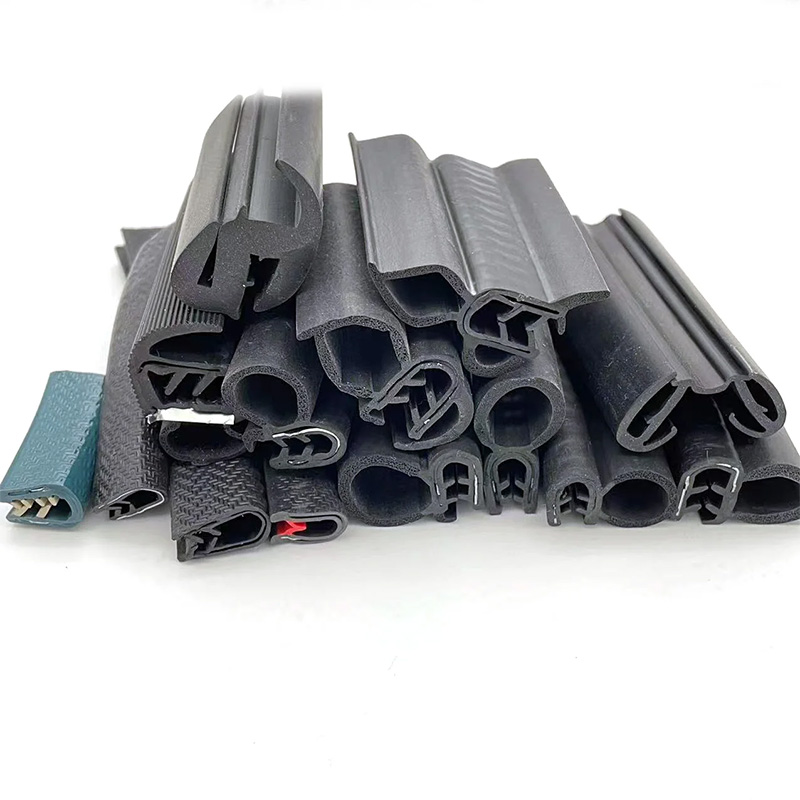
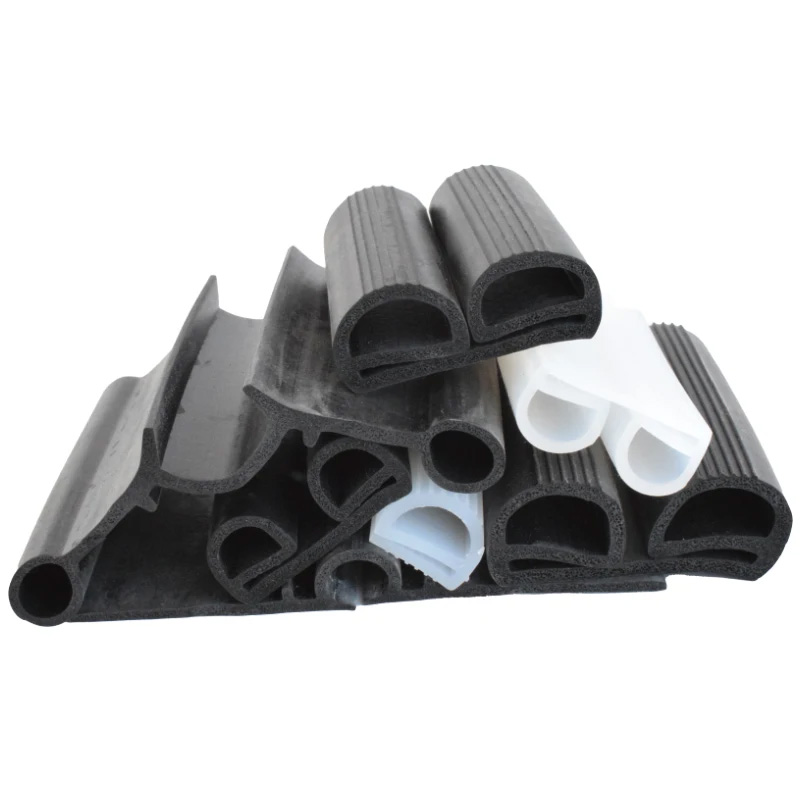
In simple terms, foam rubber seals are strips or gaskets made from foam materials derived from various rubbers—natural or synthetic—that have been processed to create a cellular, sponge-like texture. This foam structure allows them to compress, rebound, and seal off gaps effectively. They’re everywhere: door frames, HVAC units, automotive parts, even medical devices.
More than just "spongy strips," they’re engineered products designed to meet precise needs like chemical resistance, temperature tolerance, or noise reduction. In humanitarian aid, for example, foam rubber seals ensure that modular shelters remain weather-tight, offering dignity and safety amid challenging conditions.
Mini takeaway: Foam rubber seals are engineered foam strips customized to provide flexible, reliable barriers against elements and hazards.
Core Factors That Make Foam Rubber Seals Essential
Durability & Resilience
Foam rubber seals are crafted to withstand continuous compression and rebound without losing integrity. Many engineers agree that their lifespan under stress is a key selling point—often outlasting rigid seals in harsh environments.
Flexibility & Adaptability
The foam’s cellular nature allows it to conform to irregular surfaces and maintain a tight seal. This adaptability is why foam rubber seals are preferred when components have slight variances or move dynamically, like in vehicle doors or industrial machinery.
Cost Efficiency
Because foam rubber is lightweight and easy to produce and install, it offers significant savings compared to metal or pure rubber seals. This is especially important in large-scale manufacturing or infrastructure projects with tight budgets.
Environmental Resistance
Good foam rubber seals resist UV exposure, moisture, and many chemicals, which helps maintain functionality outdoors or in corrosive conditions.
Thermal & Acoustic Insulation
Beyond sealing gaps, these seals help with temperature retention and noise dampening, enhancing user comfort and equipment efficiency.
Mini takeaway: Durability, flexibility, cost savings, and resistance to elements make foam rubber seals a versatile choice across industries.
Real-World Uses of Foam Rubber Seals Around the Globe
The global footprint of foam rubber seals extends to an astonishing range of applications:
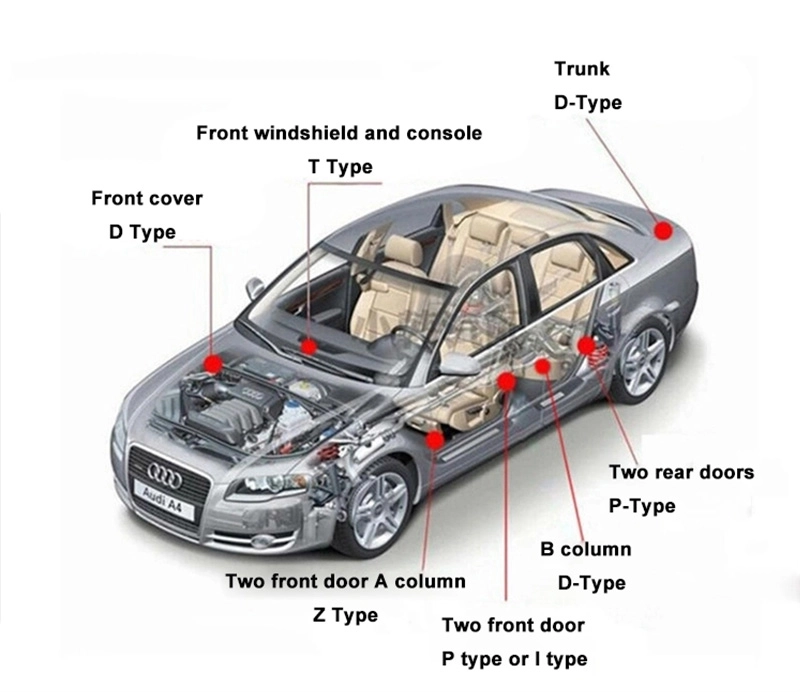
- Automotive Industry: In cars worldwide, they seal doors and trunks, preventing water ingress, reducing noise, and improving energy efficiency.
- Construction and Building: Commercial buildings use them around windows and HVAC systems to reduce energy loss and prevent drafts.
- Electronic Equipment: Seals in consumer electronics protect sensitive components from dust and moisture.
- Disaster Relief: NGOs deploying modular shelters internationally use foam rubber seals to ensure their units are weather-tight and durable in unpredictable climates.
- Transport and Shipping: Sealing containers and refrigeration units during transit to protect sensitive goods.
Oddly enough, even small-scale industries in regions like Southeast Asia or sub-Saharan Africa rely on foam rubber seals despite limited access to high-end materials — testament to their accessibility and importance globally.
Mini takeaway: From automotive plants in Germany to temporary shelters in the Philippines, foam rubber seals serve as silent guardians protecting assets and people worldwide.
Advantages & Long-Term Value of Using Foam Rubber Seals
In real terms, investing in quality foam rubber seals pays off through:
- Energy Conservation: Tight seals reduce heating/cooling needs, lowering energy bills and carbon footprints.
- Durability: Saves replacement and repair costs over years.
- Safety & Comfort: Limits noise pollution, prevents contaminant ingress, and maintains comfortable indoor environments.
- Sustainability: Many foam rubber variants are recyclable and conform to environmental regulations.
- Trust & Performance: Reliable seals build brand confidence across supply chains and customers.
Let's face it—consumers and facility managers alike can tell when something "feels" off because of poor sealing. Good foam rubber seals provide peace of mind.
Mini takeaway: Foam rubber seals are not just cost-effective but contribute significantly to sustainability, safety, and user satisfaction.
Looking Ahead: Innovations and Trends in Foam Rubber Seals
The industry is on the cusp of some interesting advancements:
- Eco-friendly Materials: Biodegradable and recycled foams reduce environmental footprints.
- Smart Seals: Embedded sensors that detect wear or leakage.
- Advanced Testing: AI-driven quality assurance for consistent performance.
- Customization with Digital Design: Faster prototyping allows tailor-made seals for niche requirements.
- Integration with Green Energy Systems: Foam seals used in wind turbines or solar equipment to boost efficiency.
It all points to a future where foam rubber seals aren’t just passive barriers, but active components contributing to smarter, greener, and more responsive applications.
Mini takeaway: The future of foam rubber seals lies in eco-conscious materials, smart functionality, and seamless customization.
Challenges and How Experts Are Tackling Them
That said, no solution is perfect. Common challenges include:
- Material Degradation: UV or ozone exposure can slowly break down seals.
- Compatibility: Not every foam rubber fits every chemical or temperature setting.
- Installation Errors: Improper fit or compression compromises seal function.
But innovation offers solutions: UV inhibitors, hybrid materials, and improved installation training all help overcome these hurdles. I’ve noticed many users now prefer supplier partnerships that include technical support and guarantees.
Mini takeaway: Challenges exist, but advances in materials and processes keep foam rubber seals effective and reliable.
Product Specification Table: Typical Foam Rubber Seal Attributes
| Specification | Typical Range | Importance |
|---|---|---|
| Density (kg/m³) | 30 - 300 | Affects compression and insulation |
| Compression Set (%) | 10 - 30% | Indicates how much seal rebounds after compression |
| Temperature Range (°C) | -40 to +120 | Operational outdoor and indoor |
| Tensile Strength (MPa) | 0.5 - 3.0 | Resistance to stretch and deform |
| Water Absorption (%) | Limits swelling or degradation |
Vendor Comparison: Key Players in Foam Rubber Seal Market
| Vendor | Material Range | Customization | Eco-friendly Options | Global Reach | Price Tier |
|---|---|---|---|---|---|
| FoamSeal Inc. | EPDM, Neoprene, Nitrile | High; custom profiles & sizes | Yes; recycled materials | North America, Europe | Mid-High |
| SealPro Solutions | Silicone, Polyurethane | Moderate; standard cuts | Limited | Asia, Europe | Low-Mid |
| EcoSeal Pvt Ltd. | Natural Rubber, Bio-foam | High | Specializes in biodegradable seals | Global | Mid |
FAQs: Common Questions About Foam Rubber Seals
Q1: How do foam rubber seals differ from traditional rubber seals?
Foam rubber seals have a cellular structure that makes them compressible and able to fill irregular gaps, whereas traditional solid rubber seals are denser and less flexible. This flexibility allows foam seals to provide better insulation and conform to variable surfaces, making them ideal for applications where surface irregularities exist.
Q2: Can foam rubber seals withstand outdoor weather conditions?
Yes, many foam rubber seals are formulated with additives that resist UV rays, ozone, moisture, and temperature extremes. However, for harsh environments, selecting materials like EPDM or specialized coatings is recommended to extend lifespan.
Q3: Are foam rubber seals recyclable or eco-friendly?
Increasingly, manufacturers offer foam seals made from recycled or biodegradable materials. While not all foam rubber seals are recyclable yet, the industry trend is strongly moving toward more sustainable options.
Q4: How difficult is it to install foam rubber seals?
Installation is generally straightforward and can be done with adhesive backing or mechanical fastening. Proper surface preparation and compression are key to achieving an effective seal, so sometimes professional help is advised for complex applications.
Q5: Where can I source quality foam rubber seals internationally?
Reliable suppliers with global distribution include companies like FoamSeal Inc., EcoSeal Pvt Ltd., and SealPro Solutions. Partnering with vendors that provide customization and technical support ensures you get the right product for your needs.
Final Thoughts: Why Foam Rubber Seals Are Worth Your Attention
Foam rubber seals might not make headlines, but their impact is felt daily — in energy savings, equipment longevity, and user comfort. Understanding their advantages, applications, and the evolving market landscape helps manufacturers, engineers, and planners make smarter choices that benefit both business and the planet. If you want to explore reliable and customizable foam rubber seals, consider reaching out to experienced suppliers who blend innovation with quality assurance.
Visit our website: https://www.xtshuoding.com
References:
Share
-
Eco Friendly Drawstring Jute Bag Guide for Sustainable PackagingNewsApr.16,2026
-
Elegant Wedding Jute Bags for Sustainable and Rustic Event PackagingNewsApr.09,2026
-
Sustainable Jute Bags for Coffee Packaging and Branding SolutionsNewsApr.07,2026
-
Explore the Benefits of Sustainable Saran Jute Bags for Your BusinessNewsApr.04,2026
-
Sustainable Jute Soap Bags Packaging Solutions for Eco Friendly BrandsNewsMar.31,2026
-
Discover the EcoFriendly Charm of Jute Favor Bags for Every OccasionNewsMar.28,2026