High Pressure Rubber Seals: Durable Solutions for Global Industrial Needs
Understanding High Pressure Rubber Seals: Why They Matter Worldwide
At first glance, a rubber seal might not seem like much — just another gasket or ring squeezed between metal parts. But high pressure rubber seals hold a quietly vital role across industries, protecting systems from leaks, maintaining safety, and enabling processes that literally keep the world moving. From oil refineries in the Middle East to water treatment plants in Europe, these seals help withstand extreme pressures without failing. Grasping their importance isn’t just for engineers; it affects global infrastructure resilience, environmental safety, and even humanitarian logistics.
Frankly, without reliable sealing solutions, many of the machines and pipelines we depend on would face costly shutdowns or terrible accidents. By understanding what high pressure rubber seals bring to the table, decision-makers can better select, maintain, and innovate these crucial components — a detail as practical as it is globally relevant.
Global Context: Sealing Solutions in a Pressurized World
The demand for high pressure sealing solutions reflects a growing industrial appetite worldwide. According to ISO standards on sealing products, the global sealing industry is expanding roughly 4-6% annually with new applications in energy, automotive, and chemical sectors. For instance, recent data from the World Bank suggests that maintaining infrastructure under extreme conditions is a top priority for developing economies investing in energy and water supply.
High pressure rubber seals answer some tough questions: How do we keep pipelines under enormous raw-material pressures leak-free? How can equipment in disaster-prone zones maintain integrity without constant replacement? These seals form an unsung safeguard against material loss, environmental contamination, and operational downtime — all crucial for sustainable industrial growth.
What Exactly Are High Pressure Rubber Seals?
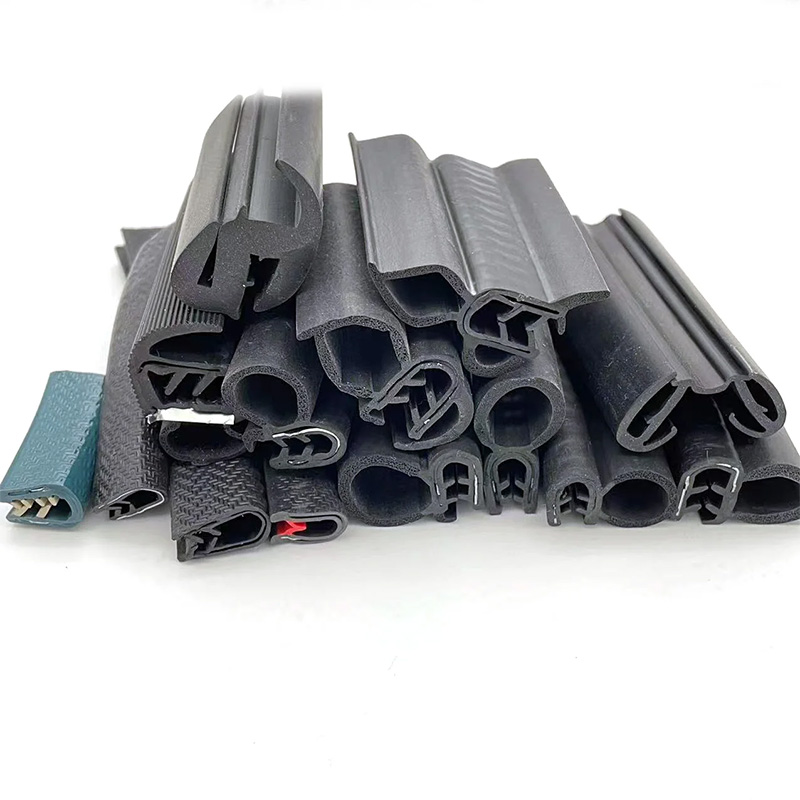
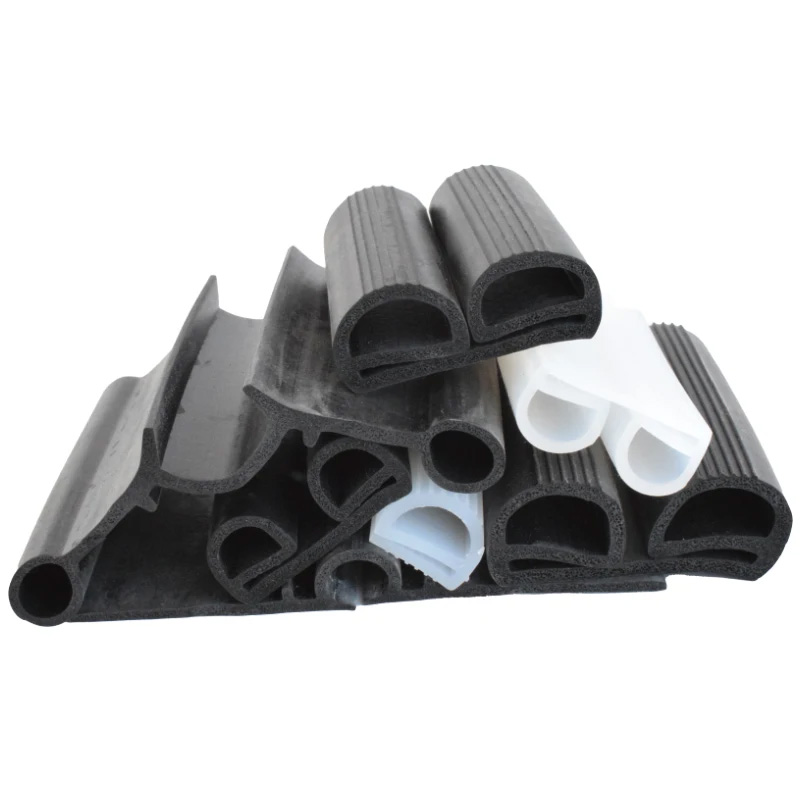
Put simply, a high pressure rubber seal is a pliable component designed to prevent leaks where two or more parts meet, even under intense pressure or fluctuating temperatures. Unlike standard seals, these are made from specialized elastomers and engineered geometries that maintain elasticity and structural integrity at pressures sometimes exceeding 1000 psi. They’re not just rubber rings; they’re precisely crafted to handle challenges modern systems throw at them — be it sudden pressure spikes or corrosive fluids.
In modern industries, they connect the dots between hydraulic machines, pneumatic controls, and heavy duty pipelines. Oddly enough, these small components can also be essential in delivering humanitarian aid through portable clean water systems or emergency fuel supplies, underscoring their relevance well beyond conventional manufacturing settings.
Key Features That Make These Seals Tick
Durability Under Stress
High pressure rubber seals are formulated with compounds like nitrile, Viton, or silicone blends to resist abrasion, pressure-induced deformation, and chemical attacks. It’s this composition that dictates how long a seal can run before replacement — a big deal when downtime costs thousands per hour.
Temperature Resistance
These seals often must operate from subzero temps in northern climates to scorching conditions in desert oil fields. Elastomer choices and seal designs cater to these extremes, ensuring flexibility and sealing efficiency without cracking or hardening.
Precision Design and Scalability
From micro seals for instrumentation valves to massive gasket rings for pipeline flanges, the scalability combined with tight manufacturing tolerances means these seals fit perfectly — no leaks, no mess.
Cost Efficiency
Initially, high quality seals might cost more, but when factoring in reduced maintenance, longer lifespan, and less operational interruption, the ROI becomes clear. Industries can avoid expensive repairs or environmental penalties tied to failure.
Where Are High Pressure Rubber Seals Used Globally?
Their reach is vast and varied. Many heavy industrial nations use these seals in oil and gas extraction — think the giant rigs in the North Sea or the pipelines in Texas. In Asia, manufacturing plants demand them for automation lines running at breakneck speeds. Meanwhile, NGOs deploying high pressure rubber seals benefit in setting up reliable water filtration systems in rural Africa, ensuring clean water access under demanding pressure conditions.
- Energy Sector: Sealing valves, pumps, and compressors to prevent hazardous leaks.
- Water & Waste Management: Ensuring pressure-tight connections in treatment plants and pipelines.
- Automotive Manufacturing: Hydraulic system sealing where failure causes costly breakdowns.
- Emergency & Relief operations: Deploying portable filtration and fuel supply equipment.
One example I recall is a company in Scandinavia that reduced pipeline leakage by over 30% after switching to state-of-the-art high pressure seals — not just boosting profits but protecting precious fjord ecosystems.
Advantages and Why They’re Worth the Investment
The benefits go far beyond just a tighter fit:
- Reliability: A well-selected seal can prevent leaks that might otherwise cause environmental damage or accidents.
- Cost Savings: Less downtime, maintenance, and equipment wear.
- Sustainability: Longer lasting seals reduce waste and resource consumption.
- Safety: Confidence in system integrity leads to safer workplaces.
Emotionally, some engineers say it’s about trust — knowing their tools won’t let them down under pressure (quite literally). It may sound small, but this contributes to overall operational dignity and innovation confidence.
Product Specification Table: Comparing Typical High Pressure Rubber Seals
| Feature | Standard Nitrile Seal | Viton High Pressure Seal | Silicone Pressure Seal |
|---|---|---|---|
| Max Operating Pressure | 500 psi | 1200 psi | 900 psi |
| Temperature Range | -30°C to 100°C | -20°C to 250°C | -50°C to 200°C |
| Chemical Resistance | Fair (Oil & Water) | Excellent (Acids & Hydrocarbons) | Good (Oxygen & Water) |
| Typical Applications | Hydraulics, Automotive | Oil & Gas, Chemical | Medical, Food Processing |
Emerging Trends and Innovations in High Pressure Sealing
The industry's adoption of green materials — bio-based elastomers and recyclable seals — hints at a sustainable horizon. As digital control systems grow, “smart seals” with embedded sensors to monitor health and pressure in real-time are becoming a hot topic. Automation for large-scale pipeline jobs requires seals that adapt dynamically, something that older designs simply can’t handle.
Energy transitions are also driving customized seals capable of withstanding hydrogen and other alternative fuels — so it’s not an exaggeration to say the sealing industry is quietly riding the wave of the future.
Challenges and How Experts Are Tackling Them
Of course, no product is without its sticking points. Temperature extremes, unexpected chemical cocktails, and mechanical wear remain challenges. Engineers are pushing polymer science boundaries and reinventing seal designs to solve these issues.
One promising solution includes hybrid seals combining rubber with metal reinforcements to enhance longevity. Additionally, better testing under simulated field conditions helps weed out underperforming products early — ensuring only the toughest make it to the frontlines.
Vendor Comparison Table: Leading High Pressure Rubber Seal Manufacturers
| Vendor | Material Range | Pressure Ratings | Global Reach | Customization |
|---|---|---|---|---|
| SealCo Industries | Nitrile, Viton, EPDM | Up to 1500 psi | Worldwide | Extensive |
| RubberMax Solutions | Silicone, Nitrile | Up to 900 psi | Asia, Europe | Moderate |
| PolySeal Tech | Viton, Fluorosilicone | Up to 2000 psi | North America, Europe | High |
FAQ: Your Questions on High Pressure Rubber Seals Answered
1. How long do high pressure rubber seals typically last in industrial settings?
On average, these seals can last anywhere from 3 to 7 years depending on operating conditions like pressure, temperature, and chemical exposure. Proper installation and maintenance can extend this lifespan significantly. Regular inspections are recommended to preempt leaks.
2. Can high pressure rubber seals be used in food-grade applications?
Yes, silicone and certain FDA-compliant elastomers are specifically designed for food and pharmaceutical sectors, offering both pressure resistance and safety for sensitive environments.
3. What are common signs that a high pressure seal needs replacement?
Leaks, unusually high noise from equipment, swelling or cracking of the rubber, and fluctuating system pressure often indicate seal degradation. Early detection helps avoid costly failures.
4. Are these seals customizable to fit unusual sizes or pressures?
Absolutely. Most suppliers offer tailored seals made to precise dimensions and pressure requirements. This customization often improves efficiency and system longevity.
5. How important is material choice in selecting a high pressure rubber seal?
Material is critical. Different elastomers perform vastly differently under pressure, chemicals, and temperature. Selecting the right compound ensures reliability and durability tailored to your needs.
Wrapping Up and Next Steps
To sum it up, high pressure rubber seals may seem like small players, but they quietly keep vast sectors running smoothly, safely, and sustainably. Their evolving design, material innovations, and adaptability make them indispensable in modern infrastructure and beyond. For anyone serious about industrial integrity — it’s worth diving into the nuances of sealing technology.
Interested in exploring the latest on these seals or sourcing premium products? Visit our website: https://www.xtshuoding.com and see how we can support your projects.
References:
Share
-
Eco Friendly Drawstring Jute Bag Guide for Sustainable PackagingNewsApr.16,2026
-
Elegant Wedding Jute Bags for Sustainable and Rustic Event PackagingNewsApr.09,2026
-
Sustainable Jute Bags for Coffee Packaging and Branding SolutionsNewsApr.07,2026
-
Explore the Benefits of Sustainable Saran Jute Bags for Your BusinessNewsApr.04,2026
-
Sustainable Jute Soap Bags Packaging Solutions for Eco Friendly BrandsNewsMar.31,2026
-
Discover the EcoFriendly Charm of Jute Favor Bags for Every OccasionNewsMar.28,2026