Door Frame Rubber Seal Solutions – Durable, Energy-Saving Seals for Every Climate
Understanding the door frame rubber seal: why it matters worldwide
If you’ve ever slammed a door and noticed that reassuring thunk sound sealing everything tight, chances are a door frame rubber seal played a starring role. But beyond that small everyday comfort, this humble component is quietly critical in industries worldwide—from construction to transportation, even humanitarian aid. Globally, the door frame rubber seal tackles issues like energy efficiency, weatherproofing, and sound insulation, which become significant when scaled to millions of buildings and vehicles.
At the same time, as sustainability and cost pressures grow across sectors, understanding the core value of door frame rubber seals—not just as “that squishy strip”—helps designers and buyers make smarter choices that last longer and save more energy.
Mini takeaway: The door frame rubber seal is a small but mighty hero in sealing, insulating, and protecting structures globally, proving just how even tiny details matter in big-picture efficiency and comfort.
The global context of door frame rubber seals: challenges and opportunities
With modern urbanization and climate change realities, buildings and vehicles are expected to be more airtight and energy conscious than ever. In fact, the International Energy Agency (IEA) estimates that improved sealing could save nearly 15% of global building heating and cooling energy demand. This is where door frame rubber seals come into their own.
Yet, the challenge isn't simply installing a seal anywhere. Differences in climate zones, building codes (think ISO 9001 quality standards), and materials availability all impact what kind of rubber seals work best where. For instance, a rubber seal in Scandinavian cold must not become brittle, while one near tropical coastlines must resist salt corrosion.
Moreover, in disaster-prone areas, temporary housing structures rely on well-designed door frame rubber seals to maintain protection against elements amidst harsh conditions, underscoring how vital these components can be beyond just routine applications.
What is a door frame rubber seal?
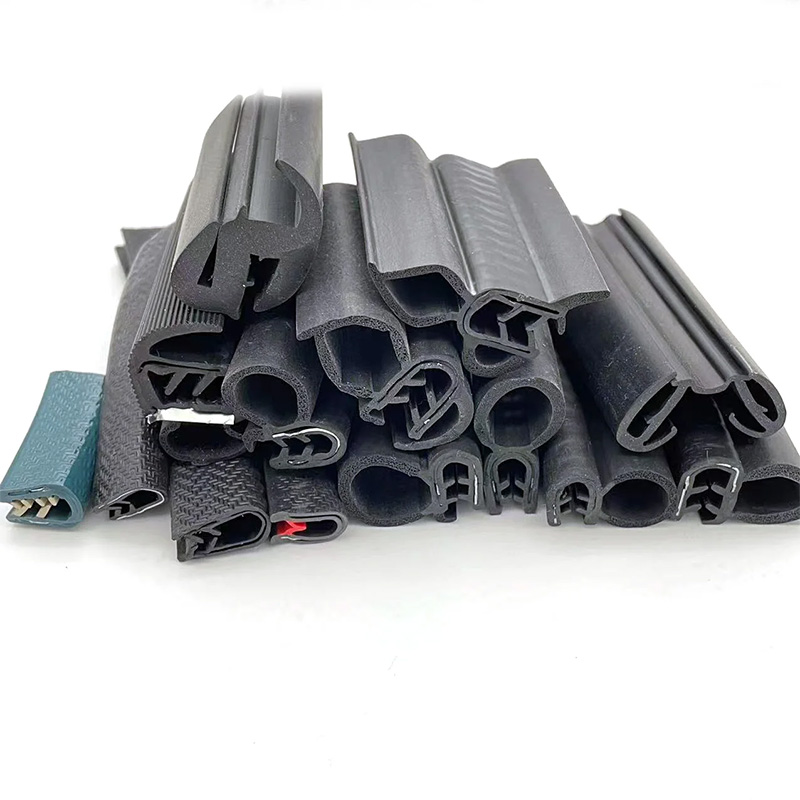
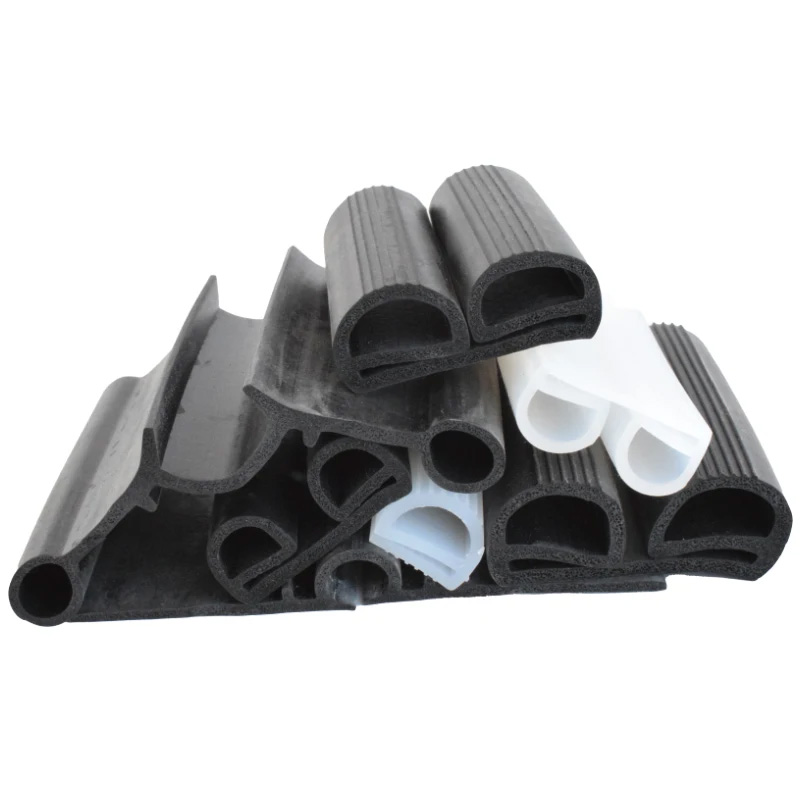
Simply put, a door frame rubber seal is a flexible gasket squeezed within the edges or frames of doors to fill gaps and prevent unwanted air, water, dust, or noise from crossing the barrier. They’re typically made from materials like EPDM (ethylene propylene diene monomer), silicone, or neoprene rubber.
Though it might sound like just a piece of flexible plastic, in many ways it’s a silent guardian. In modern construction and manufacturing, such seals affect not only comfort but also regulatory compliance for energy efficiency and safety.
Core components of door frame rubber seals
Durability
Rubber seals must withstand repetitive compressions as doors open and shut. Materials like EPDM offer excellent weather, ozone, and temperature resistance. Durability means less frequent replacements—big savings in maintenance.
Flexibility and Compression Set
A seal’s ability to compress and return to its original shape ensures continuous tightness without gaps forming over time. This affects air-tightness and noise dampening.
Weather Resistance
Exposure to UV rays, water, and temperature swings demands special formulations in the rubber to prevent cracking or degradation. This is critical especially in exterior door frames.
Ease of Installation
Some door frame rubbers come in standard lengths with peel-and-stick adhesives, others require professional fitting or molding. Simpler installation reduces labor costs and human error.
Cost Efficiency
The choice of rubber material and manufacturing process directly impacts cost. Efficiently engineered seals balance upfront costs with long-term durability.
How door frame rubber seals are used in the real world
Across industries, you’ll find these seals serving different but equally important roles:
- Construction: Sealing doorframes in homes and commercial buildings to prevent drafts, moisture ingress, and noise pollution.
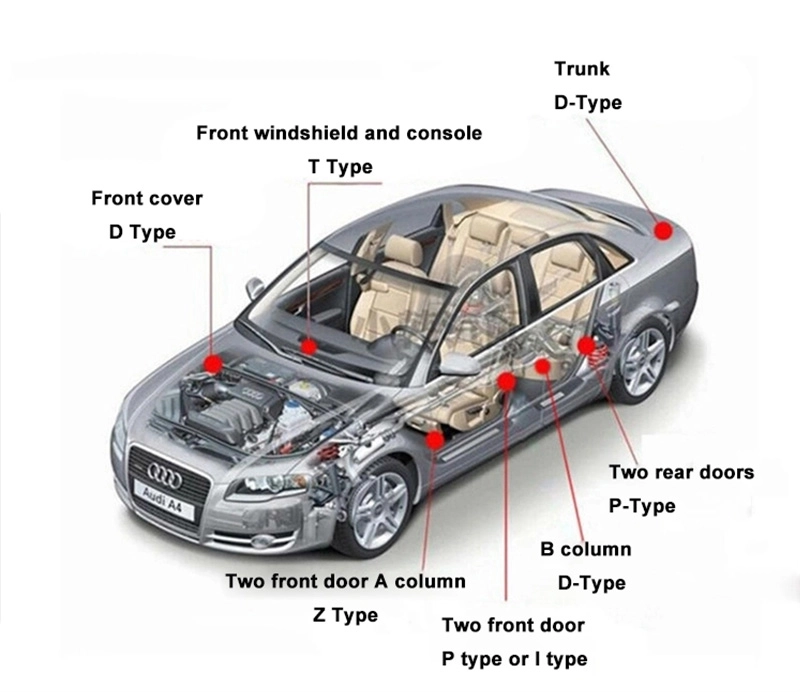
- Automotive: Doors and trunks use tailored rubber seals to create airtight, waterproof compartments and reduce road noise.
- Humanitarian relief: Temporary shelters in disaster zones rely on robust door seals to protect vulnerable populations against harsh weather. The UN’s disaster response teams have standardized certain rubber seals for modular shelters for exactly this reason.
- Industrial settings: Seals ensure clean environments, for example, in pharmaceutical facilities where contamination prevention is critical.
Oddly enough, these seals’ effectiveness can sometimes determine the comfort and safety of end-users—even if they never give them a second thought.
Advantages and lasting value of quality door frame rubber seals
- Energy savings: Reduced air leakage lowers heating/cooling costs significantly, which are major parts of building operating expenses.
- Improved comfort and safety: Preventing drafts, dust, and noise enhances living and working conditions.
- Environmental impact: Longer lasting seals reduce waste and support sustainable building practices.
- Trust and reliability: Knowing your door frame rubber seal performs consistently builds confidence—especially important in sensitive environments.
- Cost-effective maintenance: A durable seal means fewer replacements and less labor.
In other words, these small strips contribute to a lot more than you might think—touching daily lives and planetary health alike.
Looking ahead: innovations in door frame rubber seal technology
The field isn’t standing still. New materials like bio-based rubbers and improved synthetic blends aim to cut carbon footprints. Smart seals embedded with sensors that detect wear or leaks are on the horizon, helping facilities predict maintenance needs before small issues become big problems.
Manufacturers also explore more customizable profiles—tailored thickness, hardness, and adhesion—for diverse applications, supporting a shift toward modular construction and automation. Ultimately, these trends align closely with growing sustainability goals and digital transformation in building technologies.
Common challenges — and how to overcome them
Despite the progress, challenges persist:
- Installation errors & fit issues: Even the best seal won’t work if poorly fitted. Training and quality control are vital.
- Material degradation: Harsh environments can shorten seal life; research into UV and chemical resistant materials is ongoing.
- Supply chain constraints: Sourcing specialty rubbers can be tough globally, especially in remote areas.
Innovative solutions include modular designs for easy replacement, local production partnerships to ease logistics, and enhanced testing standards (ISO 11600 compliance for sealants) to boost reliability.
Door Frame Rubber Seal Product Specification Table
| Specification | Typical Range | Notes |
|---|---|---|
| Material | EPDM, Silicone, Neoprene | Chosen based on environment |
| Compression Set (%) | 15–30% | Lower is better for recovery |
| Temperature Range | -50°C to +150°C | Depends on rubber type |
| Tensile Strength (MPa) | 5–15 | Indicates resistance to tearing |
| UV Resistance | High (especially EPDM) | Prevents cracking and degradation |
Comparing leading door frame rubber seal vendors
| Vendor | Material Options | Custom Profiles | Distribution Regions | Special Features |
|---|---|---|---|---|
| SealPro Inc. | EPDM, Neoprene | Yes | North America, Europe | UV-resistant, easy install |
| RubberTech Ltd. | Silicone, EPDM | Limited | Asia, Australia | High-temp resistance |
| GlobalSeal Solutions | EPDM, Neoprene, Silicone | Extensive | Worldwide | Custom engineered seals, sustainable materials |
FAQs about door frame rubber seals
Q: How do I know which door frame rubber seal is best for my climate?
A: Look for materials with the right temperature and UV resistance characteristics. For cold climates, EPDM is often preferred due to flexibility at low temperatures, while silicone seals excel in high heat. Consulting product specs ensures the seal suits your environment.
Q: Can door frame rubber seals help reduce energy bills?
A: Absolutely. Effective sealing prevents drafts and air leakage, which can cut heating and cooling costs by up to 15%. It’s one of the easiest energy-efficiency upgrades with immediate returns.
Q: Are door frame rubber seals difficult to install?
A: Installation varies. Some seals come with adhesive backing for DIY-friendly fitting, while others require professional insertion into door frames. Choose a product that matches your skill level or seek expert help to avoid gaps and ensure longevity.
Q: How often should door frame rubber seals be replaced?
A: Depending on exposure and quality, seals can last 5–10 years. Signs like cracks, hardening, or loss of bounce indicate it’s time for a swap. Regular inspection helps catch wear early.
Q: Where can I find more technical information or purchase quality door frame rubber seals?
A: Trusted suppliers often provide detailed datasheets and customization options. For reliable options, check out resources such as door frame rubber seal vendors who specialize in commercial-grade products.
Wrapping up: why door frame rubber seals deserve your attention
Ultimately, door frame rubber seals, while often hidden, are front-line defenders against energy waste, weather damage, and noise intrusion worldwide. They represent a clever intersection of smart materials science and practical functionality.
Whether you’re specifying for a high-rise in Shanghai or outfitting a relief shelter in Haiti, these tiny sealing strips deliver outsized benefits in comfort, sustainability, and cost savings.
For further insights and to explore premium product options, visit our website—there’s a world of sealing solutions waiting just behind the door.
References:
Share
-
Eco Friendly Drawstring Jute Bag Guide for Sustainable PackagingNewsApr.16,2026
-
Elegant Wedding Jute Bags for Sustainable and Rustic Event PackagingNewsApr.09,2026
-
Sustainable Jute Bags for Coffee Packaging and Branding SolutionsNewsApr.07,2026
-
Explore the Benefits of Sustainable Saran Jute Bags for Your BusinessNewsApr.04,2026
-
Sustainable Jute Soap Bags Packaging Solutions for Eco Friendly BrandsNewsMar.31,2026
-
Discover the EcoFriendly Charm of Jute Favor Bags for Every OccasionNewsMar.28,2026