Comprehensive Guide to Vehicle Door Window Seal Rubber – Benefits & Innovations
Unlocking the Role of Vehicle Door Window Seal Rubber in Modern Transportation
At first glance, you might not give much thought to the rubber seals lining your vehicle’s door windows — yet these humble components quietly perform several vital jobs that affect safety, comfort, and even long-term vehicle durability. Understanding vehicle door window seal rubber is globally important because these seals act as frontline protectors against weather elements, reduce road noise, and enhance vehicle energy efficiency.
In a world where automotive demand surges steadily — the International Organization of Motor Vehicle Manufacturers reported 80+ million units manufactured globally in recent years (1) — ensuring that small parts like window seals meet quality and sustainability standards is no small feat. So, why should you, say, a fleet manager, automotive supplier, or an end consumer, care about this tiny yet mighty material?
The answer unfolds as we dig deeper into what vehicle door window seal rubber really is, its industrial footprint, and the innovation shaping its future.
Global Context: Why Vehicle Door Window Seal Rubber Matters
Across continents, vehicles face wildly different environmental challenges — from torrential rains in Southeast Asia to high dust and heat in Middle Eastern deserts, and subzero winters in Northern Europe. The ISO 9001 quality management standard ensures manufacturers deliver seals robust enough for these extremes.
Moreover, Industry 4.0 and the drive toward sustainability bring new pressures. According to UN reports, over 1.4 billion vehicles are active globally (2), each demanding durable yet eco-friendly sealing solutions. Failure or degradation in these seals leads to leaks, interior damage, and increased emissions from HVAC overuse, illustrating a subtle but widespread challenge.
Simply put, vehicle door window seal rubber plays a critical role in lowering repair costs, reducing pollution, and maintaining occupant well-being worldwide.
What Exactly Is Vehicle Door Window Seal Rubber?
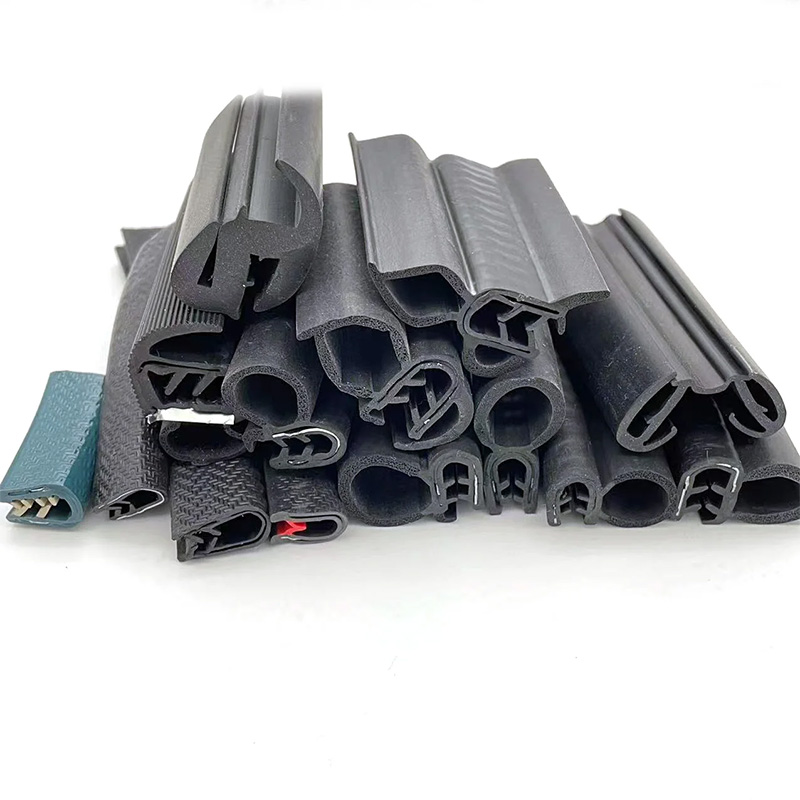
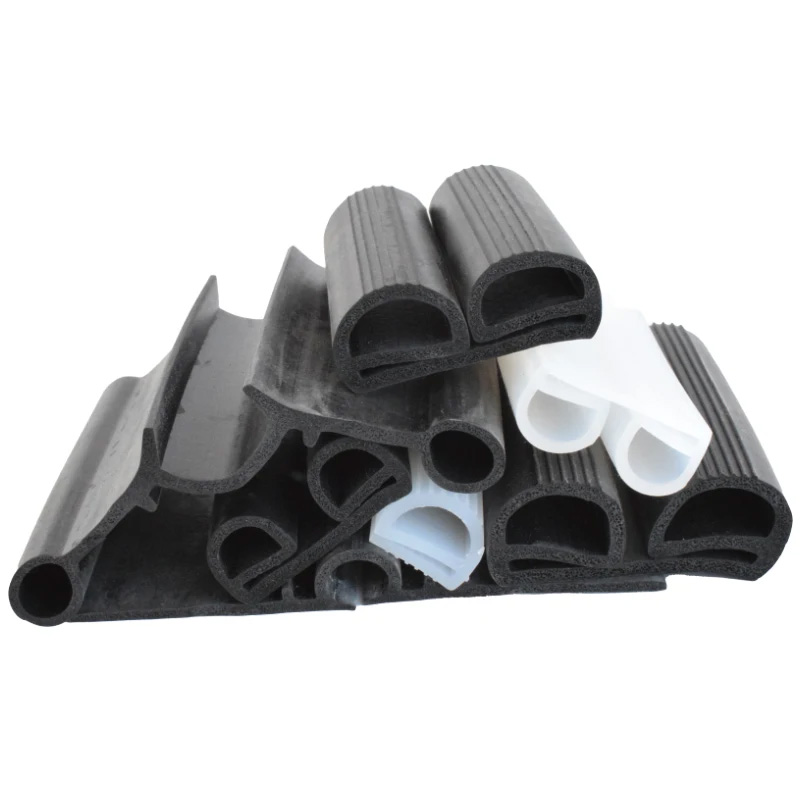
To put it simply: vehicle door window seal rubber is a flexible, weather-resistant polymer designed to line the edges of car doors and windows. It blocks water, dust, noise, and air from invading the cabin, all while cushioning impacts and maintaining proper window alignment.
This component bridges engineering, materials science, and practical notions of safety and comfort — almost like the unsung hero ensuring a vehicle feels like a cozy little sanctuary on wheels. In humanitarian terms, well-sealed vehicles also support emergency response fleets and ambulances by providing reliable protection to sensitive equipment and passengers in harsh conditions.
Core Characteristics Defining Quality Seals
Durability: Standing Up to the Test of Time and Climate
For rubber seals, resisting sun UV, ozone, and temperature swings is paramount. EPDM (ethylene propylene diene monomer) rubber is a favorite due to its superior weathering resistance, often lasting over a decade if properly maintained.
Elasticity & Compression Set
A quality seal must stay supple, bending and twisting without cracking. Poor elasticity leads to permanent deformation — meaning gaps appear, and the seal fails.
Water & Air Tightness
Even a tiny breach means water intrusion, leading to costly corrosion or mold. Good seals adhere tightly and compress effectively under window pressure, keeping the interiors dry.
Noise Reduction
Seals serve as acoustic buffers. Many drivers swear by well-made seals for reducing annoying wind and traffic noise, a bonus for comfort and fatigue reduction on long hauls.
Cost Efficiency Without Compromise
Since these parts are produced at scale, material and manufacturing choices impact vehicle prices. Striking a balance between economy and quality is an ongoing optimization feat for automotive suppliers.
| Property | Typical Range | Unit |
|---|---|---|
| Material | EPDM / Silicone | - |
| Operational Temperature | -40 to 120 | °C |
| Hardness (Shore A) | 55–70 | - |
| Compression Set (22h @ 70°C) | 15–30 | % |
| Water Absorption | % |
Mini takeaway: The mix of elasticity, durability, and environmental resistance makes the seal rubber indispensable for a vehicle's functional integrity.
Who Uses Vehicle Door Window Seal Rubber and Where?
While obvious users include passenger vehicle manufacturers, this rubber seals also find indispensable roles in commercial trucks, agricultural machinery, construction equipment, and even military vehicles.
For example, in Northern Scandinavia, trucks must maintain a dry, warm cabin through brutal winters. Manufacturers there often specify seals with extreme cold resistance. Meanwhile, in the Middle East, seals prioritize high-UV resistance and dust sealing.
Emergency service vehicles utilize specialized sealing to protect both staff and delicate medical electronics from vibrations, water ingress, and sudden temperature swings, especially during disaster response.
Interestingly, emerging electric vehicle producers are seeking seals that support lightweight designs without compromising insulation — a balancing act that opens doors to new materials and approaches.
Advantages & Lasting Benefits Beyond the Obvious
- Cost savings: Fewer repairs and less cabin damage over the vehicle lifecycle.
- Energy Efficiency: Optimized seals help maintain HVAC effectiveness, reducing fuel or battery use.
- Comfort & Safety: Noise reduction and environmental protection improve driver alertness and mood.
- Sustainability: Durable seals mean fewer replacements, reducing waste.
- Trust & Brand Value: A well-sealed car feels higher quality, boosting customer loyalty.
Emotionally, one might not say rubber seals “make” a car—but try driving through a rainstorm with faulty seals and you’ll realize how much we take those simple strips for granted!
How Future Trends Are Changing Seal Rubber Technology
Manufacturers are increasingly adopting bio-based rubbers and advanced silicone blends to cut carbon footprints. Nano-coatings that repel dust and water could extend seal life dramatically.
Then there’s the digital revolution: sensors embedded in seals might soon alert drivers to impending failures before water or noise creep in. Some companies even explore 3D printing for custom seals tailored to unique vehicle geometries — which feels like sci-fi but is already underway.
As green automotive standards tighten, suppliers race towards materials that fully comply with circular economy principles — recycling end-of-life seals into new products without quality losses.
Challenges and How Innovation is Steering the Way Forward
Despite progress, some issues persist: manufacturing variability causes occasional seal failure, especially in complex modern car profiles. Also, balancing pressure resistance and flexibility requires ongoing R&D since a one-size-fits-all approach rarely works.
Some engineers recommend modular seal designs, combining hard and soft materials for optimal compression without wear. Others focus on improving quality control through machine learning algorithms inspecting seals in production.
There’s also a call for better global standards — while ISO guidelines exist, regional requirements vary, confusing suppliers and complicating international logistics.
| Vendor | Material Types | Customization | Lead Time | Sustainability Focus |
|---|---|---|---|---|
| RubberTech Inc. | EPDM, Silicone | High - Custom Profiles & Compounds | 4-6 weeks | Yes - recycled content sealing |
| SealPro Global | EPDM, NBR | Medium - Standardized Profiles | 2-3 weeks | Moderate investment in sustainability |
| GreenSeal Solutions | Bio-based EPDM | Low - Focus on mass-market parts | 6-8 weeks | Strong - Circular economy compliant |
Frequently Asked Questions About Vehicle Door Window Seal Rubber
Q1: How often should vehicle door window seals be replaced?
A1: Generally, seals last between 8 to 12 years if properly maintained. Exposure to extreme weather, chemicals, or mechanical wear can shorten this. Frequent inspection for cracks or gaps helps spot issues before leaks begin.
Q2: Can damaged seals affect vehicle safety?
A2: Yes, compromised seals can lead to foggy windows and water damage to electrical systems, both of which potentially impair driver visibility and vehicle electronics, indirectly impacting safety.
Q3: Are aftermarket seals as reliable as OEM parts?
A3: Some aftermarket seals perform well, especially if sourced from reputable suppliers. However, OEM seals often best match the original design, ensuring optimal fit and durability. Verify material specs and user reviews carefully.
Q4: How does the seal rubber contribute to energy efficiency?
A4: Intact seals prevent air leaks that force heating or cooling systems to work harder, saving fuel or battery power and reducing emissions while maintaining cabin comfort.
Q5: Can I install replacement seals myself?
A5: For the handy vehicle owner, straightforward seals may be DIY jobs. More complex profiles require professional installation to avoid damage or improper fit which could worsen sealing.
Mini takeaway: Keeping your vehicle window seals in good shape not only saves money but plays a quiet role in your daily driving comfort and safety.
Wrapping It Up — A Last Word on Vehicle Door Window Seal Rubber
So next time you slide your hand along the rubber lining your vehicle’s window, consider how much subtle engineering went into keeping you dry, quiet, and comfortable. The humble vehicle door window seal rubber stands at the intersection of innovation and practical everyday needs, shaping automotive experiences globally and quietly fortifying our mobility lifelines.
Intrigued? For a peek into world-class sealing, options, and custom solutions, be sure to visit our website: vehicle door window seal rubber. Whether you’re a project manager sourcing parts or a curious enthusiast, there’s always something new in the seal rubber world.
Safe travels and stay sealed!
References:
Share
-
Eco Friendly Drawstring Jute Bag Guide for Sustainable PackagingNewsApr.16,2026
-
Elegant Wedding Jute Bags for Sustainable and Rustic Event PackagingNewsApr.09,2026
-
Sustainable Jute Bags for Coffee Packaging and Branding SolutionsNewsApr.07,2026
-
Explore the Benefits of Sustainable Saran Jute Bags for Your BusinessNewsApr.04,2026
-
Sustainable Jute Soap Bags Packaging Solutions for Eco Friendly BrandsNewsMar.31,2026
-
Discover the EcoFriendly Charm of Jute Favor Bags for Every OccasionNewsMar.28,2026