Comprehensive Guide to Rubber Seals for Shower Doors: Global Insights & Best Practices
Understanding Rubber Seals for Shower Doors: Why They Matter Globally
If you’ve ever noticed how a shower door shuts just right, with barely a drip leaking out afterward, you can thank a little unsung hero: rubber seals for shower doors. These simple components, often overlooked, play a crucial role in bathroom design everywhere. Globally, their impact extends beyond comfort, touching on water efficiency, durability, and even safety. Understanding these seals means appreciating how a small piece of rubber helps minimize water damage, reduce maintenance costs, and improve hygiene, all while fitting into the bigger industrial picture.
Introduction: The Global Industry Context of Shower Door Rubber Seals
It sounds niche, I know, but the market for shower door seals is actually substantial worldwide. According to industry data referenced by organizations like the International Organization for Standardization (ISO), bathroom fittings consistently reach billions in market value annually. The demand for durable, efficient, and eco-friendly components is growing, especially as urbanization accelerates in Asia, Europe, and the Americas. The United Nations has linked efficient water use in urban spaces to sustainable development goals — and that’s precisely where good rubber seals come in.
Yet, challenges remain: poor quality seals can lead to water leakage, mold growth, and subsequent structural damage, resulting in costly repairs. This is a real problem in regions with high humidity or older infrastructures. So, understanding what makes a great rubber seal is more than just a home-improvement curiosity — it’s an industry benchmark with practical consequences.
What Are Rubber Seals for Shower Doors?
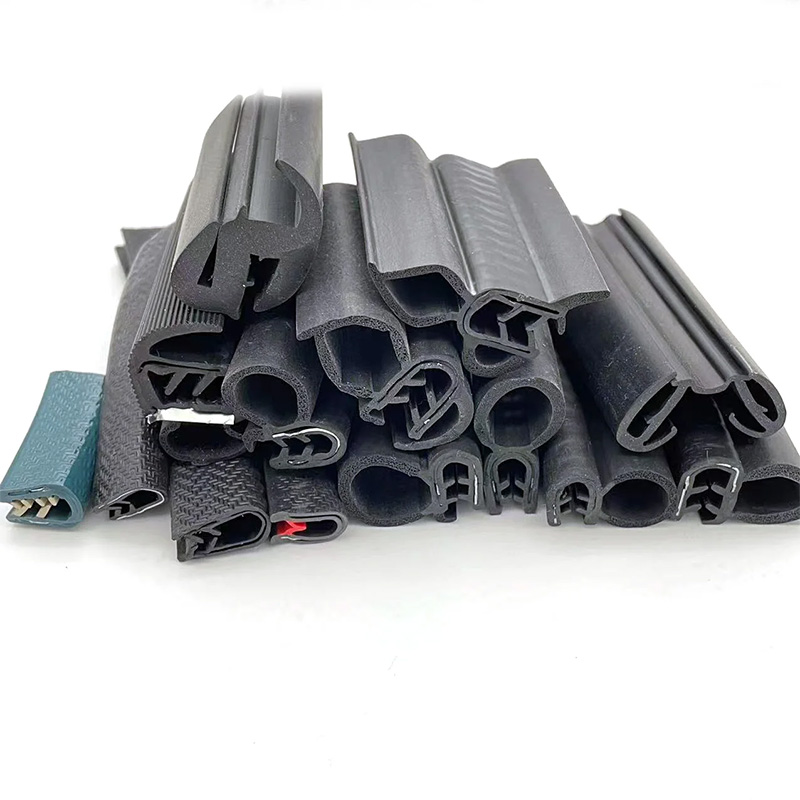
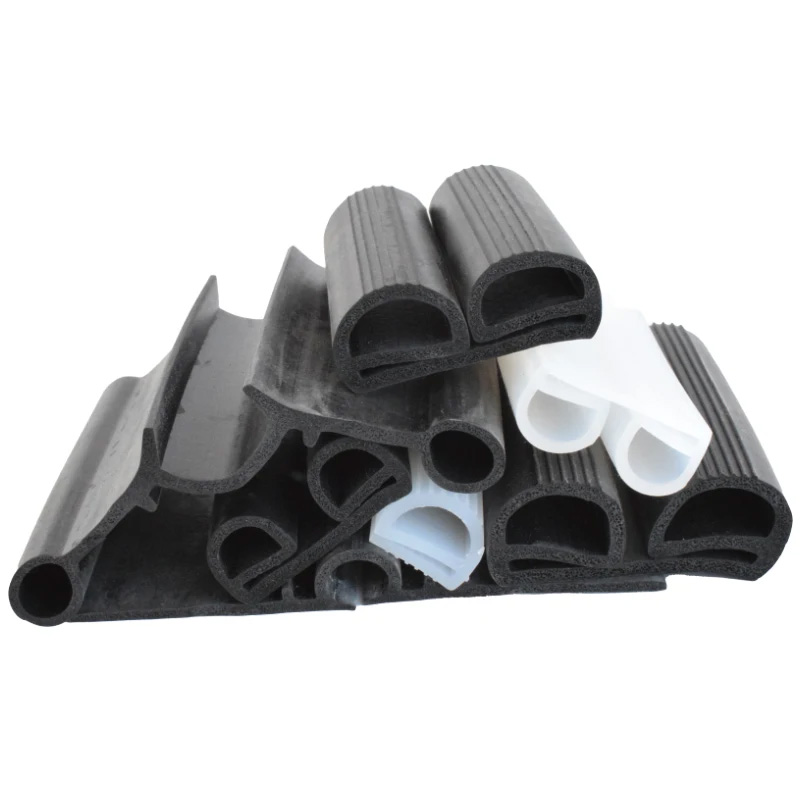
Simply put, rubber seals for shower doors are flexible, often extruded rubber strips that fit along the edges or bases of shower doors. Their job? To prevent water from escaping the shower enclosure, sealing the gaps that standard door fixtures can’t fully close. These seals are typically made from materials like EPDM (ethylene propylene diene monomer) rubber or silicone, known for their water and temperature resistance.
In modern construction and manufacturing, these seals tie into water conservation strategies and building regulations that emphasize sustainability and user safety. Oddly enough, their humble design meets sophisticated engineering standards designed for long-term durability.
Key Factors Defining High-Quality Rubber Seals for Shower Doors
1. Durability
The right material ensures that a seal can endure years of exposure to water, heat, and cleaning chemicals without cracking or losing flexibility. EPDM rubber, for example, can last 10+ years under typical bathroom conditions.
2. Water Tightness
This is the seal’s primary function — to keep water inside the shower area. Factors like design precision and material thickness determine how well a seal performs this job.
3. Ease of Installation
Many consumers prefer seals that can be easily retrofitted or replaced without professional tools.
4. Aesthetic Compatibility
Clear or color-matched seals blend in visually, which is important for high-end bathroom designs and commercial applications.
5. Cost Efficiency
These components must balance quality with affordability, especially for large developments or mass production.
| Specification | EPDM Rubber Seal | Silicone Rubber Seal | PVC Seal |
|---|---|---|---|
| Temperature Resistance | -40°C to 120°C | -60°C to 230°C | 0°C to 60°C |
| Water Resistance | Excellent | Excellent | Good |
| Durability (Years) | 10-15 | 15-20 | 5-8 |
| Price Range | $$ | $$$ | $ |
Global Applications & Use Cases
Everywhere from urban apartments in Singapore to luxury hotels in Europe, rubber seals for shower doors prevent water spillage and contribute to cleaner, more hygienic bathrooms. In developing countries, reliable seals reduce the risk of water damage in multi-story buildings where repair costs can be prohibitive.
Some NGOs working in post-disaster housing aid have also prioritized sealed bathroom units to prevent water leakage that could compromise temporary shelters. Meanwhile, manufacturers in industrial zones of China and India produce these seals en masse for export markets worldwide, boosting local economies.
Advantages & Long-Term Value
- Water conservation: Preventing leaks helps reduce water wastage — a global priority as described by UN water reports.
- Cost savings: Long-lasting seals cut down on frequent replacements and water damage repairs.
- Health & safety: Proper sealing limits mold and mildew, improving indoor air quality.
- Aesthetic appeal: A well-fitted seal enhances the user experience and overall bathroom design.
It’s kind of a quiet reassurance — knowing that while you’re taking a shower, the little things are working right behind the scenes, protecting your space and your wallet alike.
Emerging Trends & Innovations
New materials like bio-based rubber alternatives are gaining traction as manufacturers aim for greener products. Digital manufacturing techniques, including extrusion 3D printing, offer potential for custom-fit seals that better adapt to irregular door frames. Automation and IoT integration might seem a stretch, but imagine future bathroom sensors that alert you when a seal needs replacing. Sustainability standards are also pushing the industry toward eco-conscious designs, ensuring these seals don’t just protect your shower but the planet too.
Challenges & Industry Solutions
Common problems include seal degradation due to harsh cleaning chemical exposure and imperfect installation causing leaks. Engineers are tackling these by developing more resistant polymers and modular seal designs that simplify replacement. Some vendors offer pre-measured kits tailored to popular door models, cutting down user error. Ultimately, user education remains key — even the best seal can fail if installed incorrectly.
| Vendor | Material Options | Customization | Price Range | Global Shipping |
|---|---|---|---|---|
| SealTech Industries | EPDM, Silicone | Custom lengths & profiles | $$ | Yes |
| ShowerSeal Corp | PVC, EPDM | Limited customization | $ | No |
| EcoRubber Solutions | Bio-based EPDM | Custom & eco-focused | $$$ | Yes |
FAQ: Frequently Asked Questions About Rubber Seals for Shower Doors
- Q: How often should rubber seals for shower doors be replaced?
A: Typically, high-quality EPDM seals last between 10-15 years, but signs like cracking, stiffness, or leaks indicate it’s time to replace them sooner. - Q: Can I install a rubber shower door seal myself?
A: Absolutely. Many seals come with instructions for easy DIY installation. Just make sure measurements are accurate and the surface is clean to ensure a proper fit. - Q: What material is best for humid climates?
A: EPDM rubber and silicone seals perform well in high humidity and resist mold or mildew formation better than PVC alternatives. - Q: Are eco-friendly rubber seals available?
A: Yes, bio-based rubber options are emerging. These are made from renewable materials and reduce environmental impact without sacrificing performance. - Q: How do rubber seals contribute to water conservation?
A: By preventing leaks and water spillage, these seals minimize wasted water, which aligns with global efforts on sustainable urban water management.
Conclusion: Sealing the Deal on Long-Term Value
In real terms, investing in reliable rubber seals for shower doors pays off in durability, comfort, and sustainability. They’re a small part of bathroom systems but a vital piece in the puzzle of smarter water use and longer-lasting facilities. Whether you’re a homeowner, specifier, or building contractor, choosing the right seal is crucial.
Want to explore options? Visit our website at https://www.xtshuoding.com to find products that match your needs and help you seal in the benefits.
Mini takeaway: A great rubber shower door seal doesn’t just keep water in — it keeps your bathroom efficient, hygienic, and sustainable for years.
References
Share
-
Eco Friendly Drawstring Jute Bag Guide for Sustainable PackagingNewsApr.16,2026
-
Elegant Wedding Jute Bags for Sustainable and Rustic Event PackagingNewsApr.09,2026
-
Sustainable Jute Bags for Coffee Packaging and Branding SolutionsNewsApr.07,2026
-
Explore the Benefits of Sustainable Saran Jute Bags for Your BusinessNewsApr.04,2026
-
Sustainable Jute Soap Bags Packaging Solutions for Eco Friendly BrandsNewsMar.31,2026
-
Discover the EcoFriendly Charm of Jute Favor Bags for Every OccasionNewsMar.28,2026