Comprehensive Guide to Rubber Seals Manufacturer: Industry Insights and Future Trends
Understanding the Role of a Rubber Seals Manufacturer in Today’s Industry
Rubber seals might sound like a small or niche product, but their impact stretches far beyond their size. In fact, mastering the art and science of rubber seals manufacturing has huge global implications, from improving safety in automotive and aerospace industries to enhancing efficiency in water management systems. Knowing who makes these seals, how, and why it matters is not just technical jargon — it’s a key factor that helps modern economies and infrastructure tick reliably.
A rubber seals manufacturer specializes in producing elastomeric sealing components used to prevent leakage, contamination, and mechanical wear. This article will walk through why the quality and expertise from these manufacturers are vital, how their products find use worldwide, and what future trends hold for this understated yet essential industry.
Global Context: Why Rubber Seals Manufacturing Matters
The global market for rubber seals is expected to grow steadily — reports from the International Organization for Standardization (ISO) and World Bank suggest industrial sealing solutions could surpass $6 billion within the next few years. But why such demand? Well, modern infrastructures rely heavily on airtight, watertight, and dust-tight systems. Without robust seals, engines would fail prematurely, pipelines would leak, and even everyday household appliances might malfunction.
The challenges are real: increasing regulations on safety and environmental protection, aging industrial equipment requiring upgrades, and the push for sustainable materials all put pressure on rubber seals manufacturers to innovate. Plus, as supply chains become globalized, consistency in quality and supply reliability become more crucial than ever.
What Exactly Is a Rubber Seals Manufacturer?
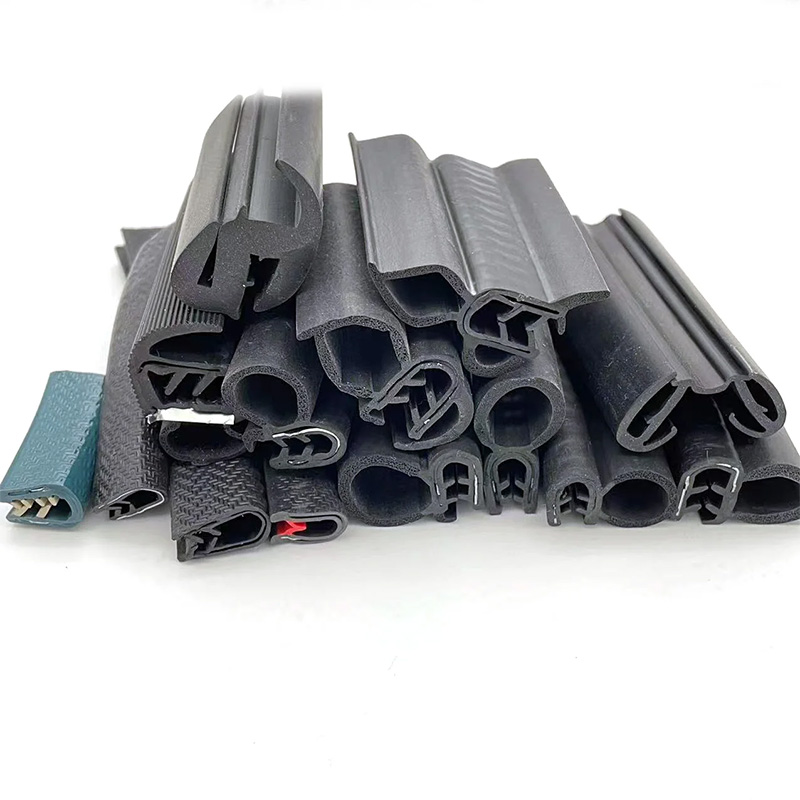
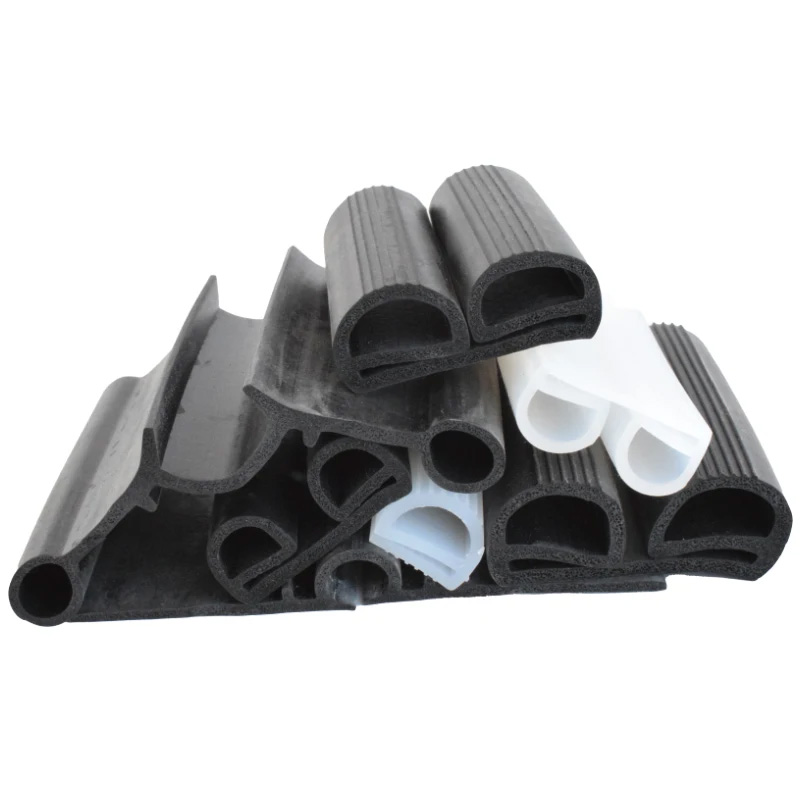
Put simply, a rubber seals manufacturer designs, formulates, molds, and tests sealing components typically made from synthetic or natural rubber compounds. These seals can be gaskets, O-rings, diaphragms, or custom shapes tailored to fit machinery and equipment preventing fluid, gas, or particulate leakage.
Their expertise lies not only in producing rubber parts but also in material science — understanding chemical resistance, temperature tolerance, and mechanical elasticity. This is critical in industries ranging from automotive production lines to humanitarian projects needing waterproof sealing in emergency shelter components.
Core Components of Rubber Seal Manufacturing
1. Material Selection
The type of rubber (like Nitrile, EPDM, Silicone, or Viton) directly affects the seal’s durability and compatibility with different chemicals or temperatures. Manufacturers must balance cost, performance, and regulatory compliance here.
2. Precision Molding and Design
Seals require tight tolerances and often custom profiles. High-precision molding technologies such as injection molding or compression molding are common to achieve the necessary accuracy.
3. Testing & Quality Assurance
Each batch typically undergoes rigorous testing — from hardness tests to aging simulations — ensuring consistency and longevity under real-world conditions.
4. Scalability and Supply Chain Reliability
Manufacturers need the capacity to supply large orders on time and often customize products on demand, which calls for robust logistics and inventory controls.
Product Specification Example
| Specification | Typical Value | Unit |
|---|---|---|
| Material Type | Nitrile Rubber (NBR) | |
| Operating Temperature Range | -40 to 120 | °C |
| Hardness (Shore A) | 70 | |
| Tear Strength | 20 | kN/m |
| Chemical Resistance | Good against oils and fuels |
Mini takeaway: Material properties will largely govern the seal’s performance, so selecting the right compound for the application is crucial.
Global Applications & Use Cases
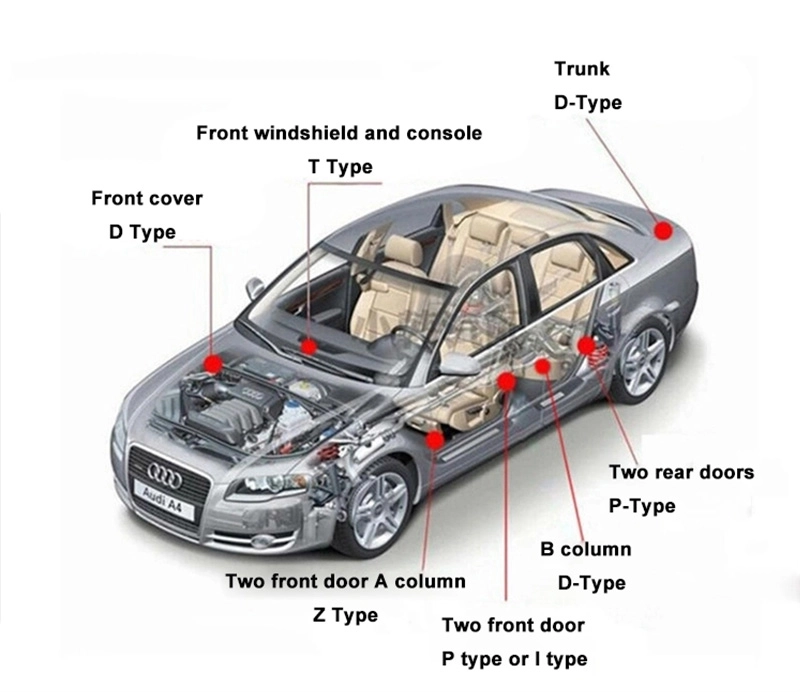
Industries utilizing rubber seals are surprisingly diverse. Automotive manufacturing, aerospace, water treatment, and even renewable energy sectors rely heavily on proper sealing solutions.
- Automotive: Engine components, fuel systems, and braking mechanisms all require sturdy, reliable seals.
- Aerospace: Seals endure extreme temperatures and pressures in aviation engines and cabin pressurization systems.
- Water & Waste Management: Rubber seals keep pipelines leak-free in urban infrastructures worldwide.
- Emergency & Humanitarian Relief: In disaster zones, seals improve the durability and reliability of mobile shelters, ensuring protection against weather and contaminants.
Oddly enough, you also find rubber seals even in your kitchen appliances, sporting equipment, and medical devices. So, when thinking about a rubber seals manufacturer, remember it’s a field with broad, global reach.
Vendor Comparison: Leading Rubber Seals Manufacturers
| Manufacturer | Material Range | Certifications | Customization Level | Lead Time |
|---|---|---|---|---|
| XTS Huoding | NBR, EPDM, Silicone, Viton | ISO 9001, ROHS | High (Custom shapes & compounds) | 2-4 weeks |
| SealTech Global | NBR, Silicone | ISO 9001 | Medium | 3-5 weeks |
| Global Rubber Solutions | EPDM, Viton | ISO 9001, ISO 14001 | High | 4-6 weeks |
Mini takeaway: When choosing a rubber seals manufacturer, certifications and customization options vary substantially, and these differences impact lead times and integration ease.
Advantages & Long-Term Value of Quality Rubber Seals
Investing in high-quality seals brings tremendous value: reduced maintenance costs, longer equipment life, minimized environmental impact, and improved safety standards. Think about it: a faulty seal on a fuel line could lead to a dangerous leak causing catastrophic failure or pollution — an emotional reminder that quality isn’t optional here.
On the logical side, premium sealing solutions often enable manufacturers to meet stricter regulatory demands and tap into emerging markets focused on sustainability and durability.
Future Trends and Innovations
The industry is quietly advancing with smart materials — polymers that can self-heal or adjust their properties under stress. Also, the use of sustainable bio-based rubbers is picking up, driven by climate change concerns and circular economy initiatives.
Digital transformation affects production lines, too. Automated quality control using vision systems helps detect deviations early, ensuring each seal meets strict standards. And with online platforms, collaboration between manufacturers and clients flows better than ever.
Challenges & Solutions
Despite great progress, challenges like raw material price volatility, supply chain disruptions, and balancing customization with mass production remain top of mind for manufacturers. Many rely on multi-sourcing strategies and invest heavily in R&D to stay nimble.
Also, educating clients on proper installation and maintenance can drastically reduce seal failures, meaning manufacturers now often offer more comprehensive after-sale support.
FAQ: Frequently Asked Questions About Rubber Seals Manufacturer
Q: What factors should I consider when choosing a rubber seals manufacturer?
A: Look at the manufacturer’s material expertise, certifications (like ISO 9001), customization capabilities, lead times, and after-sales support. Vendor reliability and product testing rigor are just as crucial.
Q: How long do rubber seals typically last in industrial environments?
A: Depending on material and conditions, seals can last from a few years up to a decade. Regular inspection and proper installation significantly affect lifespan.
Q: Are eco-friendly rubber seals available?
A: Yes, many manufacturers now offer bio-based or recyclable seals made from sustainable materials without sacrificing performance.
Q: Can rubber seals be customized for unique applications?
A: Definitely. Most experienced rubber seals manufacturers provide custom molding and compound formulation services tailored to meet specific design and environmental requirements.
Conclusion & Call to Action
Rubber seals manufacturers play a quietly pivotal role that touches countless products and industries worldwide. Their ability to combine material science, precision manufacturing, and innovation ensures reliability, safety, and sustainability in everything from cutting-edge aerospace components to vital humanitarian equipment.
To explore expert, customizable sealing solutions, visit our website and discover how quality manufacturing shapes a safer, more efficient future.
A quick reflection: The journey of a single rubber seal, from raw polymer to final installation, underscores the intricate blend of chemistry, engineering, and business strategy that keeps our modern world humming smoothly.
References
Share
-
Eco Friendly Drawstring Jute Bag Guide for Sustainable PackagingNewsApr.16,2026
-
Elegant Wedding Jute Bags for Sustainable and Rustic Event PackagingNewsApr.09,2026
-
Sustainable Jute Bags for Coffee Packaging and Branding SolutionsNewsApr.07,2026
-
Explore the Benefits of Sustainable Saran Jute Bags for Your BusinessNewsApr.04,2026
-
Sustainable Jute Soap Bags Packaging Solutions for Eco Friendly BrandsNewsMar.31,2026
-
Discover the EcoFriendly Charm of Jute Favor Bags for Every OccasionNewsMar.28,2026