Comprehensive Guide to Rubber Seals for Glass Bottles: Types, Applications, and Innovations
Rubber Seals for Glass Bottles: Essential Components in Packaging and Preservation
When you think about a simple glass bottle, what prevents its precious contents from leaking, spoiling, or getting contaminated? A tiny yet mighty element: rubber seals for glass bottles. Globally, these seals play a crucial role in industries ranging from food and beverage to pharmaceuticals and cosmetics. Their importance extends beyond keeping liquids safe—they contribute to sustainability, product integrity, and consumer trust.
Introduction: The Global Importance of Rubber Seals for Glass Bottles
The global packaging industry is enormous; the glass bottle sector alone is projected to reach over $80 billion by 2026, driven by demands for sustainability and product safety (source: Statista). Rubber seals are a vital component here, acting as barriers against leaks, contamination, and spoilage. But here’s the catch — not all seals are created equal.
With ISO standards and strict regulations influencing packaging worldwide, manufacturers are racing to meet challenges such as airtightness, chemical resistance, and longevity. This is especially critical in regions where refrigeration or clean storage isn’t always guaranteed, affecting billions of consumers. It’s sort of the unseen safeguard that ensures products remain safe across long supply chains.
What Are Rubber Seals for Glass Bottles?
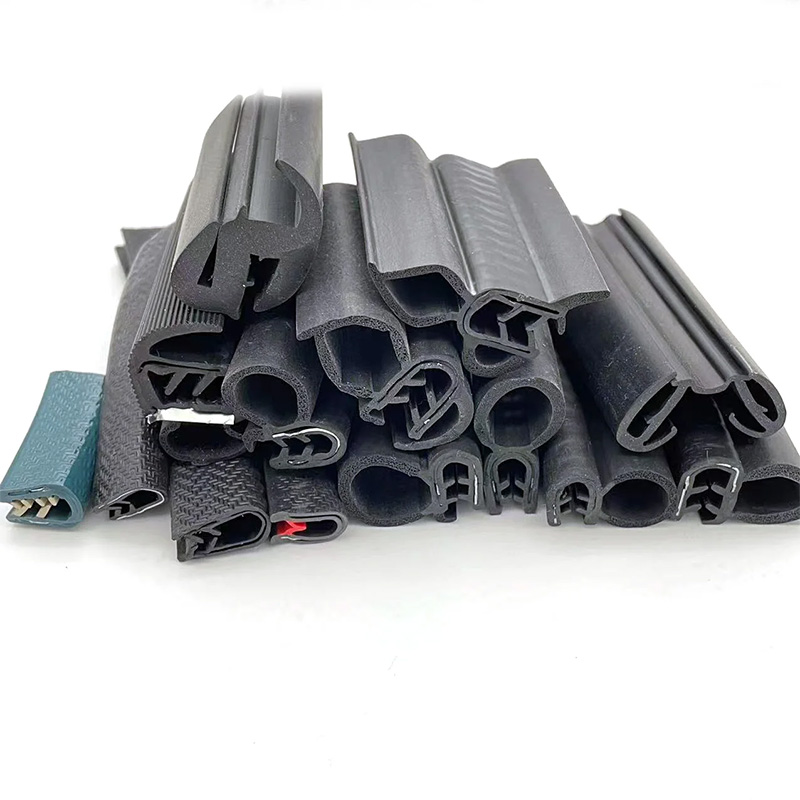
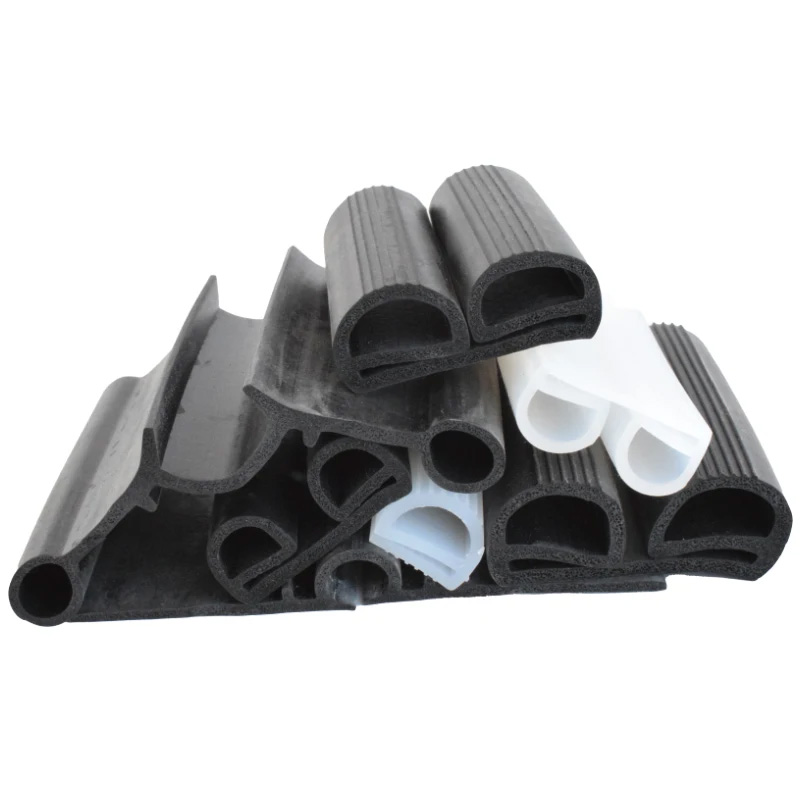
In plain terms, rubber seals—or gaskets—are flexible rings made from materials like silicone, EPDM, or natural rubber, designed to fit inside bottle caps or corks. They form tight seals between the glass and the cap to prevent air, moisture, or other contaminants from getting in or product from leaking out.
Given the diversity of applications—from sealing a craft beer bottle to a life-saving vaccine vial—the design and material choice of these seals must be carefully tailored. This intersection of material science and industrial design is a small but vital cog in modern manufacturing and humanitarian logistics alike.
Key Factors of Rubber Seals for Glass Bottles
Durability and Chemical Resistance
Many products—alcohol, acidic juices, essential oils—are surprisingly harsh on seals. Durability means the seal won’t degrade or leach harmful substances into the product. For example, EPDM rubber stands out for its resistance to acids and alkalis, making it a popular choice.
Compatibility with Glass and Caps
The seal’s shape and size must perfectly match the bottle neck and cap designs. New trends in glass bottle shape call for customized seals. Oddly enough, even the tiniest mismatch can cause leaks.
Temperature and Pressure Tolerance
From hot-filling processes to freezing conditions, the seal must maintain integrity. Silicone seals often excel here, tolerating both heat and cold without losing elasticity.
Food Safety & Compliance
For consumables, seals must comply with food-grade and pharmaceutical standards—FDA, European Food Safety Authority (EFSA) among others. This ensures no toxic migration occurs.
Sustainability & Recyclability
Increasingly, manufacturers seek seals made from recyclable or biodegradable materials to reduce packaging waste. This means balancing performance with environmental impact, a tough but exciting challenge.
Mini Takeaway
Rubber seals may feel simple, but they’re an intricate balance of material science, design, and regulation compliance. Durability, precision, and safety are key pillars.
Global Applications & Use Cases
- Pharmaceutical Industry: Vaccine vials and injectable medicines rely on seals that maintain sterility over long periods and multiple transports globally.
- Food and Beverage: Think wine, juice, olive oil—rubber seals help maintain freshness and prevent oxidation, especially critical in warmer climates.
- Post-Disaster Relief: In areas without refrigeration, sealed glass bottles protect water and medicines to avoid microbial contamination.
- Cosmetics and Fragrances: Luxury brands depend on stylish bottles sealed airtight with custom rubber to prevent evaporation of costly ingredients.
Regions such as Europe, North America, and parts of Asia dominate production, but demand is rising in developing economies where glass packaging's traditional and eco-friendly qualities are increasingly valued.
Advantages and Long-Term Value
The tangible benefits stretch beyond mere containment. For manufacturers, reliable rubber seals reduce return rates and product waste, cutting costs. Consumers gain peace of mind regarding safety and product freshness. From a social angle, it’s about dignity—delivering medication securely or preserving food for families.
Trust in a product often hinges on such seemingly small details. Imagine cracking open a beloved soda or essential medicine only to find it spoiled or leaking. It’s an emotional letdown but also a breach of reliability that rubber seals help prevent.
Future Trends and Innovations
Innovation is buzzing, honestly! Bio-based and biodegradable rubber formulas are gaining traction to meet growing sustainability laws, including the EU’s packaging directives. Also, digital inks and smart seals embedded with sensors can indicate tampering or freshness — part of the food and pharma tech revolution.
Automation in seal manufacturing is improving precision and reducing defects. And as glass bottle designs evolve, manufacturers increasingly lean on 3D printing and material simulations to create custom seals faster.
Challenges and Solutions
The main hurdles are balancing cost and performance — high-quality rubber is pricier, and adapting to diverse bottle designs complicates mass production. Additionally, environmental regulations push for greener materials, sometimes at the expense of durability.
Industry experts suggest a hybrid approach: blending traditional rubber with composites or recycled polymers, investing in testing for various climates. Collaboration between bottle and seal manufacturers is now more critical than ever to optimize compatibility.
Product Specifications at a Glance
| Specification | Typical Range | Notes |
|---|---|---|
| Material Types | Silicone, EPDM, NBR, Natural Rubber | Depends on chemical resistance & compliance needs |
| Temperature Range | -40°C to 200°C | Silicone handles extremes well |
| Hardness (Shore A) | 30–70 | Softer seals offer better flexibility |
| Standard Compliance | FDA, USP Class VI, EFSA | Critical for food/pharma applications |
Vendor Comparison
| Vendor | Material Options | Customization Capabilities | Certifications | Price Range |
|---|---|---|---|---|
| SealPro Inc. | Silicone, EPDM | Full custom sizing & shapes | FDA, USP Class VI | Mid to High |
| Rubber Solutions Ltd. | Natural Rubber, NBR | Standard sizes, limited custom | ISO 9001 | Low to Mid |
| EcoSeal Tech | Bio-based synthetic rubber | Custom eco-friendly designs | FDA, EFSA, ISO 14001 | Mid to High |
Frequently Asked Questions
1. What types of rubber are best for sealing glass bottles?
The choice depends on chemical compatibility and temperature needs. Silicone works well for heat resistance and flexibility, EPDM offers strong acid and alkali resistance, while NBR is favored for oils. Food or pharma applications require FDA-compliant materials.
2. How long does a rubber seal typically last before needing replacement?
Lifespan varies but under optimal conditions, high-quality seals last 1–5 years. Factors like exposure to heat, UV light, and chemicals can shorten this. Regular quality checks are advised, especially for medical uses.
3. Can rubber seals be reused?
Generally, no. Rubber can deform and degrade over time, losing its sealing ability. For safety and hygiene, especially in pharma or food sectors, it’s best practice to replace seals after opening or after use.
4. Are eco-friendly rubber seals as reliable as traditional ones?
Eco-friendly seal materials are improving rapidly, offering comparable durability and compliance. However, testing under your specific application conditions is vital to ensure no compromise on performance.
5. How do I choose a vendor for rubber seals?
Look for vendors offering material certifications, customization options, and a track record with your industry. Pricing matters, but quality and compliance are critical to avoid costly failures.
Conclusion
Rubber seals for glass bottles may seem like an afterthought, but they are fundamental to safeguarding contents, ensuring safety, and supporting global trade and humanitarian efforts. As innovation pushes toward sustainability and smarter materials, these seals will only grow in importance. Curious to learn more or source high-quality seals? Visit our website: rubber seals for glass bottles for detailed insights and products crafted with both expertise and care.
Reflecting on these unsung industrial heroes makes you appreciate how tiny components carry huge responsibility in delivering safety, trust, and quality worldwide.
References
Share
-
Eco Friendly Drawstring Jute Bag Guide for Sustainable PackagingNewsApr.16,2026
-
Elegant Wedding Jute Bags for Sustainable and Rustic Event PackagingNewsApr.09,2026
-
Sustainable Jute Bags for Coffee Packaging and Branding SolutionsNewsApr.07,2026
-
Explore the Benefits of Sustainable Saran Jute Bags for Your BusinessNewsApr.04,2026
-
Sustainable Jute Soap Bags Packaging Solutions for Eco Friendly BrandsNewsMar.31,2026
-
Discover the EcoFriendly Charm of Jute Favor Bags for Every OccasionNewsMar.28,2026