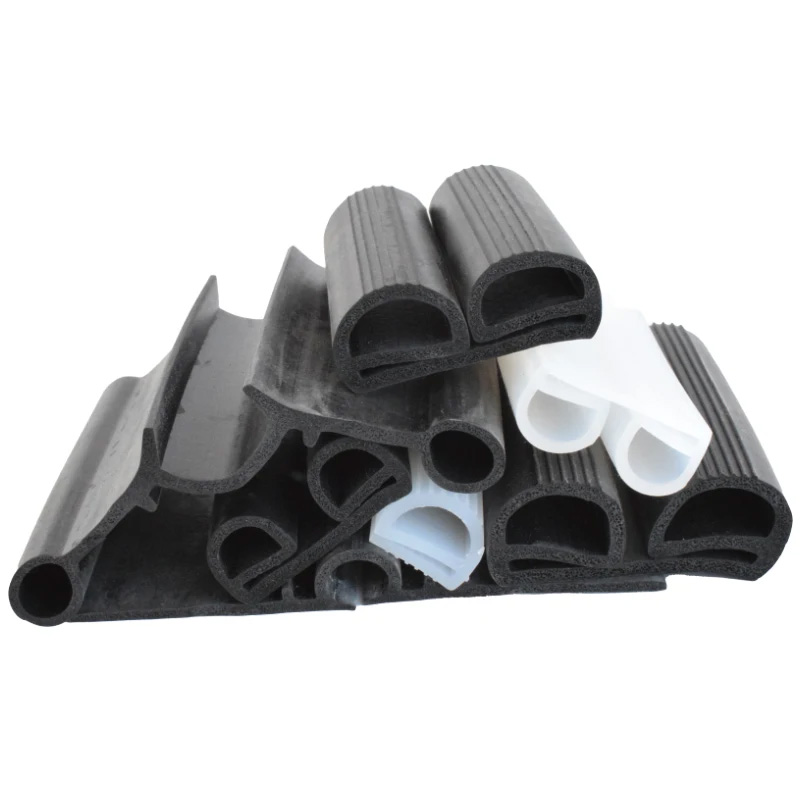
Comprehensive Guide to Rubber Seal for Wooden Doors – Benefits & Buying Tips
Rubber Seals for Wooden Doors: Why They’re More Crucial Than You Think
If you’ve ever noticed a draft sneaking under your wooden door or heard that annoying creak when the wind hits just right, chances are a rubber seal for wooden doors could be your hidden hero. At first glance, these modest strips of rubber might not seem like much, but globally they make a serious difference — from energy savings and noise reduction to improving safety and even preserving wooden doors themselves.
Understanding these seals and their benefits ties neatly into global efforts on sustainability, building efficiency, and comfort. In this article, we'll unpack what rubber seals actually are, why they matter worldwide, and their long-term impact on homes, industry, and even humanitarian work.
The Big Picture: Why Rubber Seals Matter Globally
According to the International Energy Agency (IEA), over 30% of heating energy in buildings is lost through gaps in doors and windows alone. Seal technologies, including rubber seals for wooden doors, help reduce that loss — cutting down carbon footprints substantially. When you think of wooden doors as a seemingly simple part of a building, it’s astonishing to realize how much energy (and money) can be saved by just sealing their edges better.
Across colder regions in Europe, North America, and parts of Asia, governments are pushing building standards that emphasize sealing all doorways properly. And with wood being one of the most sustainable building materials out there, ensuring doors last longer and perform better with rubber seals plays nicely into global environmental goals.
Yet, challenges remain. Wooden doors are porous, expand and contract with humidity, and are subject to wear and tear. A poor seal can mean drafts, insects, moisture ingress — all costly in repairs down the line.
Mini takeaway: Rubber seals for wooden doors matter because they’re a simple solution to big problems — energy waste, wood preservation, and user comfort.
What Exactly Is a Rubber Seal for Wooden Doors?
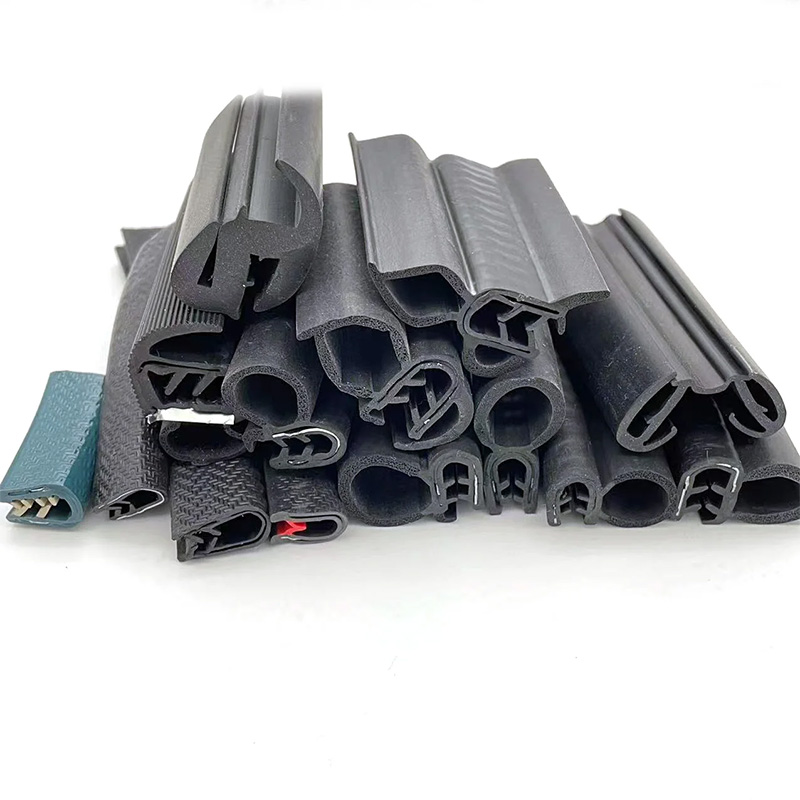
Simply put, a rubber seal is a flexible gasket or strip placed around the edges of a wooden door to create a tight closure against the frame. They’re crafted from specialized elastomers — like EPDM (ethylene propylene diene monomer), silicone, or thermoplastic rubber — that remain durable and flexible despite temperature swings.
These seals work by filling gaps, preventing outside air, dust, insects, dampness, and sound from sneaking in. It’s a quiet guardian, maintaining the door’s integrity and the indoor environment.
From a humanitarian angle, this seemingly small component has found importance in temporary shelters and disaster relief structures, helping preserve warmth and comfort in challenging conditions. So it’s not just an industrial afterthought but a part of human well-being.
Core Components That Define a Good Rubber Seal
1. Durability
Rubber seals have to endure constant opening-closing cycles, weather fluctuations, and physical impacts. High-quality material selection ensures they don’t crack or deform prematurely, which is critical for wooden doors exposed to outdoor elements.
2. Elasticity & Flexibility
The seal must compress enough to fill uneven gaps caused by wooden door swelling yet rebound to keep its shape. This balance keeps the seal efficient without jamming the door.
3. Weather Resistance
Ultraviolet rays, rain, snow, and temperature changes are harsh. Rubber with excellent UV and ozone resistance means the seal lasts years without becoming brittle or losing adhesion.
4. Ease of Installation
Practicality counts. Many seals come with adhesive backing or snap-fit designs so homeowners and professionals can upgrade doors without heavy tools or specialized skills.
5. Cost Efficiency
Seals vary widely in price depending on thickness, material, and brand. Finding a balance between quality and budget is crucial, especially in large projects or humanitarian deployments.
| Specification | Typical Value | Comments |
|---|---|---|
| Material | EPDM Rubber | Resistant to UV and ozone |
| Thickness | 4 mm | Standard for average gap sealing |
| Adhesive Type | Self-adhesive foam tape | Easy peel and stick |
| Temperature Range | -40°C to 90°C | Suitable for most climates |
| Lifespan | 5–8 years | Dependent on environment |
Mini takeaway: The right rubber seal blends resilience, flexibility, and ease-of-use — making your wooden door perform like new (or better!) for years.
Real-World Applications: Where Rubber Seals Shine
Across continents and industries, rubber seals for wooden doors are quietly working their magic.
- Residential Buildings: In cold climates from Scandinavia to Canada, homeowners reduce energy bills by improving door insulation with quality seals.
- Commercial and Public Infrastructure: Hospitals and schools use sealed wooden doors for hygiene and noise control.
- Disaster Relief and Humanitarian Shelters: In places like Bangladesh or parts of Sub-Saharan Africa, temporary shelters fitted with rubber seals create warmer, pest-free environments crucial for vulnerable populations.
- Historic Preservation: Restoration projects employ custom rubber seals to protect centuries-old wooden doors from the elements without altering their appearance.
Such instances highlight the versatility of these seals — far beyond your average house door.
Advantages and Long-Term Value: More Than Just a Strip of Rubber
Frankly, the benefits stretch beyond the practical:
- Energy Savings: Seals minimize thermal leakage, shrinking utility costs, and indirectly reducing CO2 emissions.
- Wood Longevity: By sealing moisture out, they prevent warping, rot, and paint degradation.
- Comfort: Less noise, drafts, dust, and insects mean better living and working conditions.
- Safety and Security: A tightly sealed door deters easy tampering and can support fire-retardant or smoke-seal ratings for particular rubber formulations.
- Emotional Impact: There’s a certain peace knowing your door is doing more than just “closing.” It’s protecting your home and family — a small but persistent guardian.
The Future: Innovation Knocking at the Door
Technology is creeping into rubber sealing in clever ways:
- Smart Materials: Self-healing rubber that repairs minor cuts or abrasions is in the pipeline.
- Eco-Friendly Compositions: Biodegradable or recycled rubber blends to counter environmental concerns.
- Automation & Installation Aids: New tools for perfectly calibrated compression during door installation reduce human error.
- Integrated Sensors: Imagine seals that detect air leaks or pressure changes and report data via IoT devices for building management systems.
It’s thrilling to think that such a humble component is evolving hand-in-hand with smart homes and green building trends.
Common Challenges — And Ways to Fix Them
Yet it’s not all perfectly smooth:
- Seal Wear and Tear: Over time, degradation can lead to ineffective sealing. Regular inspection and maintenance schedules help here.
- Installation Errors: Improper fit or adhesive failures cause early replacements. The solution? Training and choosing seal types suitable for varying wood grain and door types.
- Environmental Extremes: In places with wild temperature swings, rubber can harden or sag. Selecting the right material grade is key.
Experts often recommend pairing seals with door adjustments or refurbishments for best results.
Vendor Comparison at a Glance
| Vendor | Material Type | Typical Cost (per m) | UV Resistance | Warranty |
|---|---|---|---|---|
| SealTech Pro | EPDM | $4.50 | Excellent | 7 years |
| RubberFix | Silicone | $5.20 | Very Good | 5 years |
| EcoSeal Solutions | Recycled EPDM Blend | $3.80 | Good | 3 years |
Frequently Asked Questions About Rubber Seals for Wooden Doors
1. How do I know if my wooden door needs a new rubber seal?
Check for drafts, visible gaps, noise infiltration, or signs of moisture damage near the door edges. If you feel cold air coming through or see pests, that’s a strong hint it’s time for replacement.
2. Can I install rubber seals myself, or do I need a professional?
Many modern rubber seals come with self-adhesive backing for easy DIY installation. However, for uneven or older doors, a professional can ensure a perfect fit and optimal sealing performance.
3. Are rubber seals effective for fire safety on wooden doors?
Some rubber seal products are specifically rated for fire or smoke sealing, helping slow fire spread and maintain building safety codes. Always check certifications for your specific needs.
4. How often should rubber seals be replaced?
Typical lifespan ranges from 5 to 8 years depending on environment and material quality. Inspect seals annually for cracking, hardness, or adhesive failure to decide on replacement.
5. Are eco-friendly rubber seals just as durable as traditional types?
Many green alternatives now match traditional materials in durability and flexibility, though sometimes at a slightly higher price point. Advances in recycled rubber tech make them a smart, sustainable choice.
Wrapping Up: Why the Right Rubber Seal Makes All the Difference
Rubber seals may seem minor, but they’re mighty — improving energy efficiency, extending door life, and offering comfort and security worldwide. Whether you’re swapping out a drafty strip in your home or outfitting disaster relief shelters, choosing quality seals tailored to wooden doors pays dividends in the long run.
Don’t overlook this tiny detail — it really does hold the door to a better, greener, quieter, and safer life.
Ready to upgrade your wooden doors today? Visit our website: rubber seal for wooden doors and explore our latest products designed to fit every need.
References
Share
-
Eco Friendly Drawstring Jute Bag Guide for Sustainable PackagingNewsApr.16,2026
-
Elegant Wedding Jute Bags for Sustainable and Rustic Event PackagingNewsApr.09,2026
-
Sustainable Jute Bags for Coffee Packaging and Branding SolutionsNewsApr.07,2026
-
Explore the Benefits of Sustainable Saran Jute Bags for Your BusinessNewsApr.04,2026
-
Sustainable Jute Soap Bags Packaging Solutions for Eco Friendly BrandsNewsMar.31,2026
-
Discover the EcoFriendly Charm of Jute Favor Bags for Every OccasionNewsMar.28,2026