Comprehensive Guide to Rubber Door Boot Seals: Uses, Benefits & Innovations
The Lowdown on Rubber Door Boot Seals: What You Need to Know
It might sound like a tiny piece of industrial jargon, but the rubber door boot seal is more than just a rubber strip tucked behind the scenes. In fact, it plays a surprisingly global role — from enhancing building efficiency to protecting valuable equipment and aiding disaster relief housing. Understanding these simple yet effective seals gives you insights into how everyday materials contribute to safety, sustainability, and cost savings worldwide.
Why Rubber Door Boot Seals Matter Globally
Okay, so rubber door boot seals are small, but their impact is anything but. According to the International Organization for Standardization (ISO), sealing technology dramatically improves energy efficiency in buildings, reducing HVAC energy consumption by up to 25% in certain climates. Energy conservation alone makes these seals a hot ticket item worldwide.
Beyond energy, the World Bank highlights that climate-resilient construction components protect communities vulnerable to extreme weather. Rubber door seals prevent water ingress and drafts, which is crucial in fragile environments, especially when combined with fast-deploy shelters or modular housing in post-disaster zones.
That’s just the start — think automotive applications, cold storage, and industrial machinery. The list of challenges rubber door boot seals help solve around the globe goes on.
Mini Takeaway:
- Seals boost energy efficiency and weather resilience worldwide.
- They underpin fields from construction to transportation with a focus on sustainability.
What Exactly Is a Rubber Door Boot Seal?
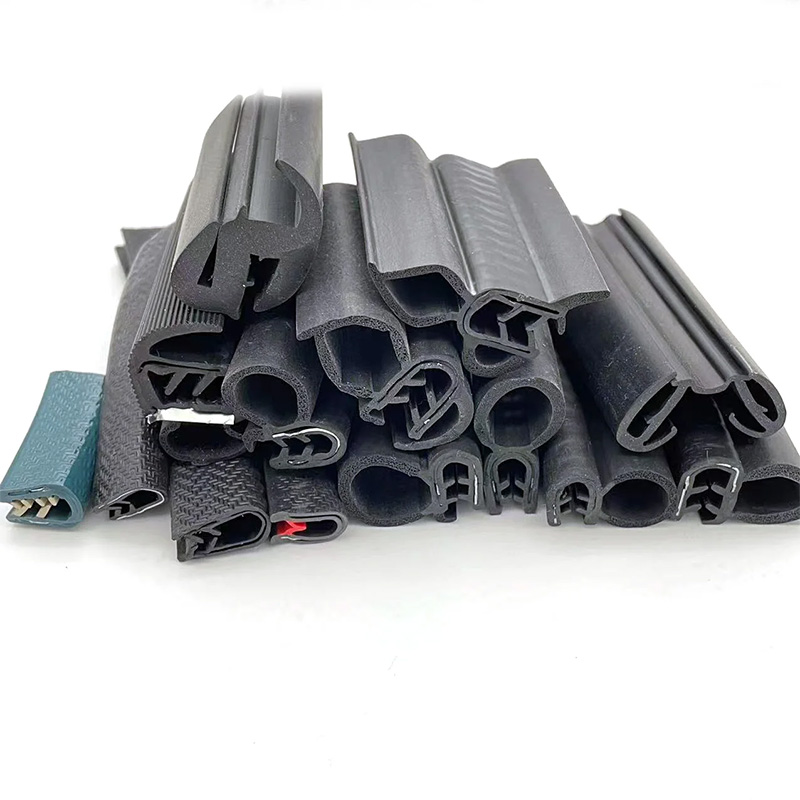
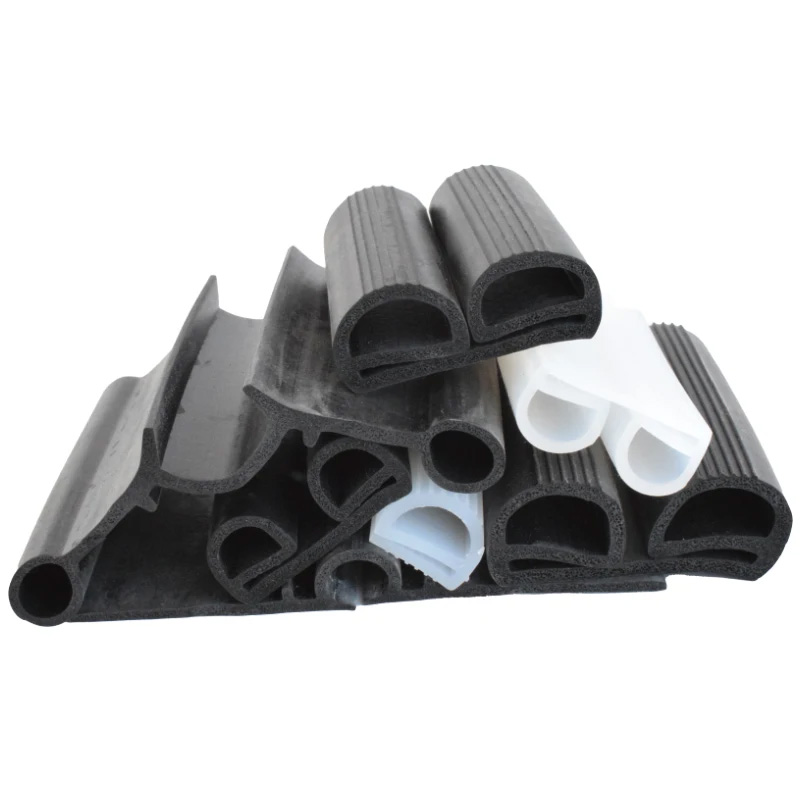
In plain language, a rubber door boot seal is an elastic gasket that fits around the bottom or edges of doors (sometimes known as door boots) to create a tight barrier against air, water, dust, and pests.
These seals are crafted from flexible, durable rubber compounds, commonly EPDM (ethylene propylene diene monomer), which holds up well against weathering and aging. In industry terms, they're a basic, yet essential weatherproofing component, helping maintain interior climate stability or equipment cleanliness.
In modern humanitarian aid, for example, these seals become lifelines — ensuring shelters remain weatherproof, safe, and comfortable for displaced families or medical facilities.
Mini Takeaway:
- Rubber door boot seals are flexible, weather-resistant gaskets for doors.
- Common in construction, industrial, and humanitarian contexts for sealing.
Core Components and Key Factors of Rubber Door Boot Seals
Durability
Rubber door boot seals are designed to withstand harsh conditions—from UV sunlight to freezing cold and harsh chemicals in industrial zones. For instance, EPDM seals can last 10+ years outdoors without cracking, which many engineers say is essential for long-term maintenance savings.
Flexibility & Fit
One interesting thing is how flexible these seals are. They adapt to varying door frame irregularities, ensuring no gaps form when doors close, something you might not notice immediately, but incredibly important to maintain airtight barriers.
Cost Efficiency
They’re relatively cheap per unit compared to complex HVAC systems. Although rubber door boot seals are small investments per door, their cumulative cost savings in energy and maintenance payoff big over years.
Ease of Installation
Most of these seals come ready-to-install with self-adhesive backs or simple mechanical fixings. This ease means less labor time and costs, which is a big deal in large projects or emergency deployments.
Environmental Resistance
The materials used resist ozone, heat, and water, maintaining elasticity even in extreme polar or desert conditions.
Mini Takeaway:
- Durability and flexibility ensure lasting weatherproofing.
- Affordable and easy to install, reducing long-term costs.
Real-World Uses and Global Applications
In real terms, rubber door boot seals appear everywhere: commercial buildings, residential homes, vehicles, shipping containers, and even emergency shelters. Here’s a quick regional snapshot:
- Europe and North America: Seals focus on insulation and energy codes in green building projects.
- Asia-Pacific: High demand for durability in industrial warehouses exposed to humid climates.
- Sub-Saharan Africa: NGOs utilize seals in fast-deploy shelters to keep rain and dust out in unpredictable weather.
- South America: Used in cold storage and refrigerated transport to prevent air leaks and preserve perishables.
Even the automotive industry depends on these seals to protect the passenger cabin and electrical systems from water or dirt — a dusty desert road or monsoon can be brutal otherwise.
Mini Takeaway:
- Modern infrastructure, NGOs, and transport all rely on robust seals.
- Applications adapt regionally based on climate and usage needs.
Advantages and Long-Term Value of Rubber Door Boot Seals
Look, the benefits add up quickly. First off — energy savings from proper door sealing can reduce bills and carbon footprints simultaneously. Plus, the seals extend door and frame lifespans by keeping moisture and dirt out, which means less expensive repairs later.
There’s an emotional side too. Think of those living in remote or disaster-affected areas: a well-sealed shelter means safety from harsh weather, an essential comfort that preserves dignity. Innovation in materials ensuring non-toxic, recyclable rubber compounds also touches on sustainability values important for future generations.
Rubber Door Boot Seal Specifications at a Glance
| Specification | Typical Value | Units |
|---|---|---|
| Material | EPDM Rubber | - |
| Temperature Range | -40 to +120 | °C |
| Tensile Strength | 10-15 | MPa |
| Elongation at Break | 300-500 | % |
| Typical Lifespan | 10+ | Years |
Vendor Comparison: Finding the Right Rubber Door Boot Seal Supplier
| Vendor | Product Range | Customization Options | Delivery Time | Price Range |
|---|---|---|---|---|
| SealTech Industries | Standard + EPDM Specialty | Color, Length | 3-5 days | $$ |
| RubberSeal Co. | Wide EPDM, Silicone range | Custom profiles, hardness | 5-7 days | $$$ |
| Global Seals Ltd. | Basic EPDM and Commercial | Standard sizes only | 2-4 days | $ |
Looking Ahead: Trends and Innovations in Door Sealing
While traditional EPDM rubber seals dominate, innovation keeps knocking. Recycling and eco-friendly rubber blends are gradually making their mark in adherence to stricter environmental regulations. Some manufacturers are exploring smart seals with embedded sensors to monitor seal integrity — odd but promising in high-value industries like aerospace.
Digital transformation also means more sophisticated design simulations, resulting in seals tailored precisely for unique door geometries, reducing waste during manufacturing. Sustainability and automation in installation are on everyone’s roadmap — honestly, it feels like the humble rubber seal has some exciting years ahead.
The Challenges and How Experts Overcome Them
Common challenges include premature wear in extreme conditions or poor adhesion during installation. For instance, dust or moisture on door surfaces can compromise adhesion but is easily fixed by proper cleaning and primer use.
A larger challenge: selecting the right material for specific applications — a one-size-fits-all doesn’t work. Expert vendors sometimes offer sampling services or on-site assessments to optimize seal choice. Combining proper installation training with advanced materials has proven very effective.
FAQ: Your Rubber Door Boot Seal Questions Answered
- What makes rubber door boot seals better than silicone alternatives?
- Rubber seals, especially EPDM, excel in weather resistance and cost efficiency, making them preferred for building and industrial use. Silicone works better at extreme temperatures but can be pricier.
- How long does a typical rubber door boot seal last outdoors?
- Typically between 8-12 years depending on exposure, with EPDM rubber resisting UV rays and ozone that cause cracking.
- Can I install rubber door boot seals myself?
- Yes, many seals come with self-adhesive backing for easy DIY installation. However, ensure the door surface is clean and follow manufacturer instructions for best results.
- Are these seals recyclable or eco-friendly?
- Traditional EPDM rubber is recyclable but not biodegradable. New eco-friendly compounds and recycled rubber blends are becoming more common to improve sustainability.
Conclusion: Why Rubber Door Boot Seals Are a Small Investment with Big Returns
All in all, the rubber door boot seal might be a humble product, but its influence stretches far — saving energy, protecting equipment, enhancing quality of life in difficult environments. It’s one of those unsung heroes of modern infrastructure. So if you want to explore reliable, cost-efficient sealing options, don’t overlook this simple hero.
For trusted products and more info, rubber door boot seal experts like those at XTSHuoding.com offer tailor-made solutions to meet your needs.
References
Share
-
Eco Friendly Drawstring Jute Bag Guide for Sustainable PackagingNewsApr.16,2026
-
Elegant Wedding Jute Bags for Sustainable and Rustic Event PackagingNewsApr.09,2026
-
Sustainable Jute Bags for Coffee Packaging and Branding SolutionsNewsApr.07,2026
-
Explore the Benefits of Sustainable Saran Jute Bags for Your BusinessNewsApr.04,2026
-
Sustainable Jute Soap Bags Packaging Solutions for Eco Friendly BrandsNewsMar.31,2026
-
Discover the EcoFriendly Charm of Jute Favor Bags for Every OccasionNewsMar.28,2026