Nov . 30 , 2025 05:05
Back to list
Comprehensive Guide to Door Rubber Seal Clips: Benefits, Applications & Future Trends
What Exactly Is a Door Rubber Seal Clip—and Why Should You Care?
If you’ve ever noticed that annoying squeak or draft around your car door, or worse, the chill that sneaks in through poorly sealed house doors, you’ve glimpsed the importance of something as “simple” as a door rubber seal clip. It’s that small but mighty component holding in place the sealing rubber that prevents air, water, dust—and frankly, noise—from invading your comfort zone. Globally, these clips support energy efficiency goals, protect sensitive environments, and enhance safety. Understanding them isn’t just for the technical crowd; it's an insight into how tiny details govern our everyday environments and sustainability efforts. Mini Takeaway: Door rubber seal clips may be small, but they play a huge role in environmental control and comfort worldwide.The Global Scene: Why Door Rubber Seal Clips Matter More Than Ever
From the icy stretches of Scandinavia to the humid tropics of Southeast Asia, the humble door rubber seal clip plays a surprisingly important role. According to ISO standards on energy efficiency and materials testing, effective sealing can reduce energy costs by up to 20% in buildings and vehicles alike. The World Bank, in its energy efficiency reports, highlights sealing as one of the simplest but most overlooked strategies to reduce carbon footprints globally. Yet, challenges persist—old infrastructure, harsh weather conditions, and inconsistent manufacturing quality mean clips can fail prematurely, leading to leaks or costly repairs. So, while it may not make the headlines like solar panels or EVs, the door rubber seal clip quietly supports these global sustainability goals. If you think about it, every saved kilowatt-hour is partly thanks to these clips gripping tight to their rubber companions. Mini Takeaway: Globally, these clips are unsung heroes reducing energy waste and enhancing comfort across climatic and industrial divides.Defining the Door Rubber Seal Clip
At its core, a door rubber seal clip is a small, often metal or high-strength plastic fastening device that secures the rubber sealing strip along door frames—be it on vehicles, industrial equipment, or architectural doors. Without these clips, rubber seals could peel away, allowing infiltration that degrades performance or safety. Modern industry demands precision — for instance, automotive OEMs require clips to withstand heat, vibration, and harsh weather for years. Humanitarian organizations see door seals as critical in modular shelters, where protection from dust, insects, and water is not just comfort but a necessity for vulnerable communities. Mini Takeaway: Simply put, the clip keeps the seal where it belongs—guarding environments and enabling industries to deliver quality, energy-saving products.Core Components That Make a Door Rubber Seal Clip Work
Durability and Material Strength
Most clips are made from stainless steel or engineered plastics to resist corrosion, UV rays, and mechanical stress. Remember, these clips often endure harsh environments—think salty seasides or icy highways.Design and Compatibility
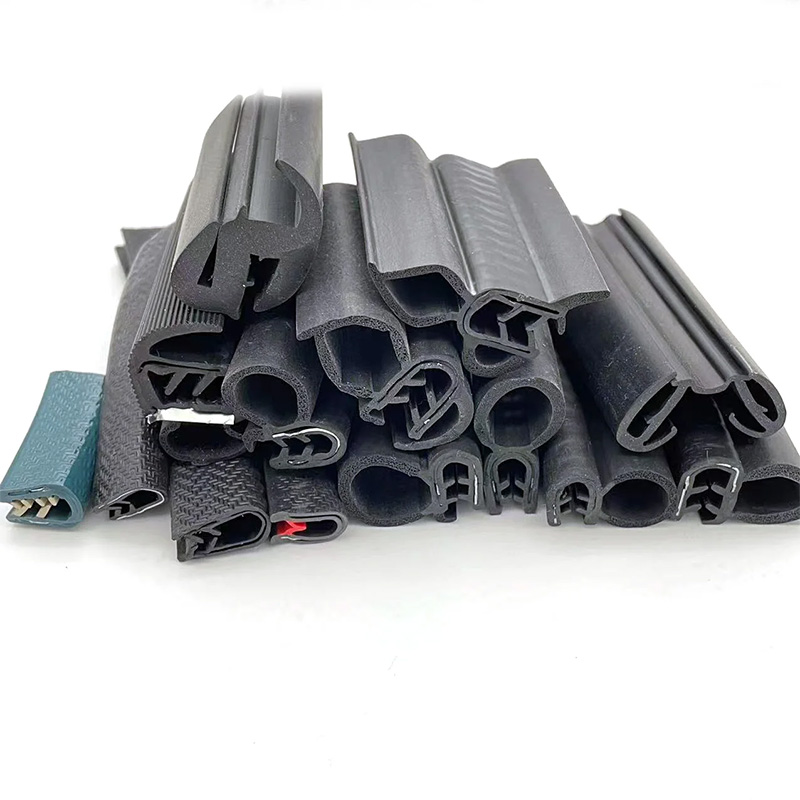
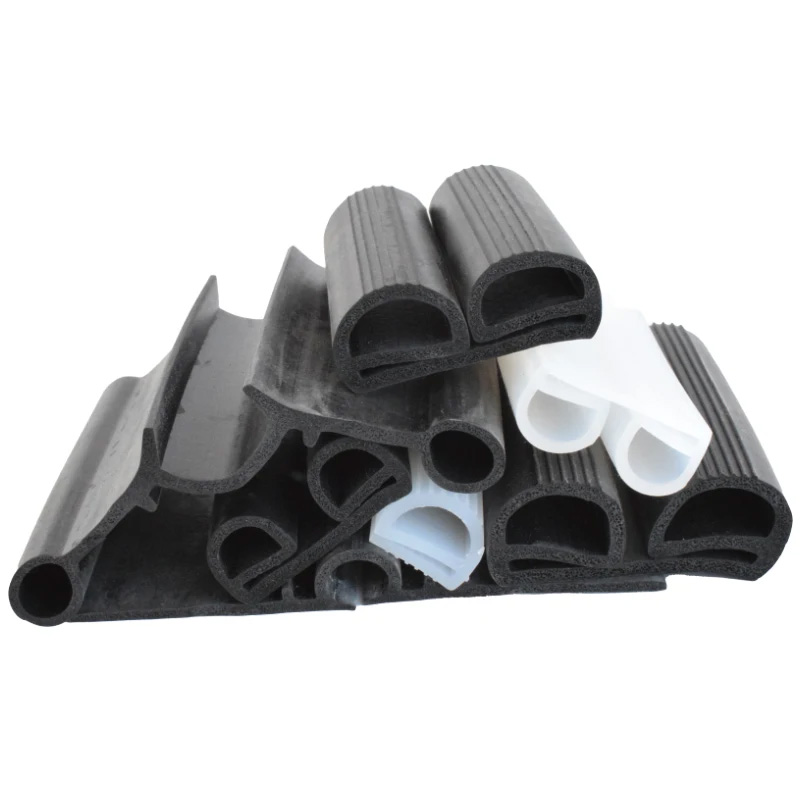
A clip’s shape isn’t random; it must grip rubber edges firmly without tearing them. High-precision molds and CAD designs ensure compatibility with different seal profiles and door frames.Ease of Installation
Manufacturers and installers favor clips that snap in or slide smoothly without requiring excessive force or special tools. Time equals money, after all.Cost Efficiency
While some clips may be pricier due to specialty coatings or materials, the cost is balanced by longer seal life and reduced maintenance.Environmental Impact
Recyclability and reduced material waste during manufacture increasingly influence clip designs—an important factor as global sustainability goals tighten. Mini Takeaway: These aspects combine to ensure a clip is not just ‘good enough,’ but optimized for longevity, cost, and eco-friendliness.Where Do You Find Door Rubber Seal Clips in Action?
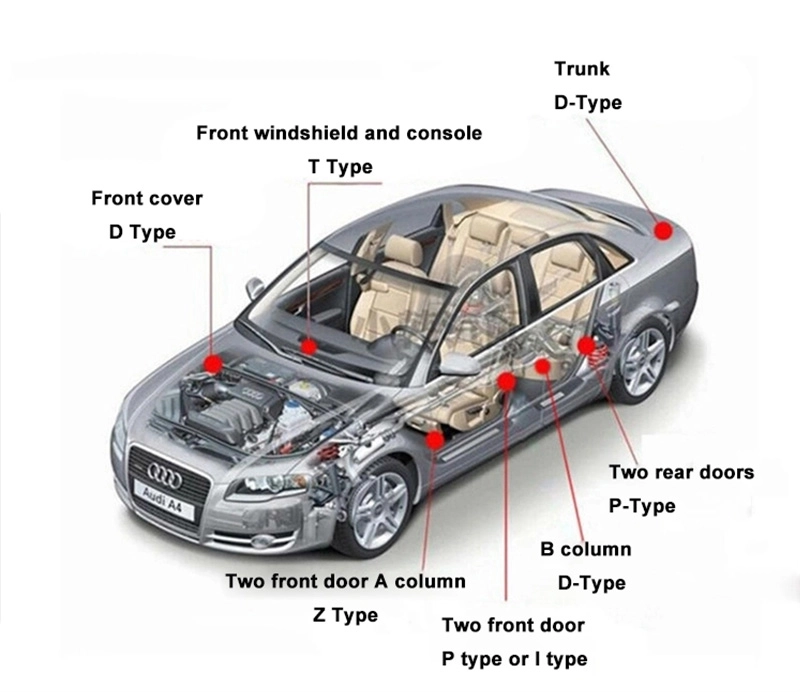
Across automotive production lines in Germany, Japan, and the US, clips are integral in door assembly, helping vehicles meet stringent fuel efficiency standards. In construction, architects specify clips for weatherproofing commercial buildings in Nordic countries. Even in disaster zones, NGOs rely on modular shelters fitted with high-quality rubber seals fastened by reliable clips, ensuring rain and dust stay outside refugee tents or temporary clinics. For example, a Southeast Asian NGO shared that using better-sealed shelters reduced health complaints due to mold and insects by nearly 40% in post-flood relief camps—thanks in part to well-secured door rubber seals. Mini Takeaway: From cold-climate cities to tropical camps, these clips maintain safety and comfort in diverse, even challenging settings.Advantages That Make Door Rubber Seal Clips a Wise Investment
- Energy Conservation: Tight seals reduce heating and cooling needs, lowering utility bills and carbon footprints. - Sustainability: Durable clips mean seals last longer, reducing waste and replacement frequency. - Safety and Comfort: Prevent water ingress and noise pollution, boosting user satisfaction. - Economic Sense: Lower maintenance costs, fewer repairs, and enhanced product longevity add up to real savings. - Emotional Payoff: For many, a quiet, cozy home or a reliable vehicle is peace of mind, something that clips quietly help deliver. Mini Takeaway: Beyond specs, these clips enable feelings of security and trust in the products and spaces we use daily.Looking Forward: Innovations and Trends in Seal Clip Technology
Several exciting trends are shaping the future: biodegradable or bio-based clip materials aiming to reduce plastic use; smart clips embedded with nano-sensors to detect seal wear; and 3D-printed custom clips for complex applications. Industry 4.0-style automation is also speeding up installation lines, improving quality control. Meanwhile, green energy policies encourage designers to rethink sealing for solar panel housing or EV charging station enclosures, where durability and environmental safety are critical. Mini Takeaway: The humble clip is becoming smarter, greener, and more adaptable—tiny tech with a big future.Challenges and How Experts Are Tackling Them
Challenges remain: metal clips can corrode unexpectedly when coatings fail; plastic variants sometimes lack sufficient grip or break under cold; installation errors can cause early failures. But solutions abound: manufacturers now use high-grade coatings, hybrid materials, and extensive simulation testing. Training programs for installers improve correct fitting techniques. Some suppliers even offer modular clip kits customizable for specific projects. Mini Takeaway: While challenges exist, innovation and training steadily raise industry standards.Technical Specifications of Typical Door Rubber Seal Clips
| Specification | Value/Range |
|---|---|
| Material | Stainless Steel 304, ABS Plastic |
| Temperature Range | -40°C to 120°C |
| Corrosion Resistance | Salt Spray >500 hrs |
| Grip Force | 5–10 N |
| Installation Method | Snap-fit or Slide-in |
| Recyclability | >90% material recyclable |
Vendor Comparison: Choosing the Right Door Rubber Seal Clip Supplier
| Supplier | Material Options | Lead Time | Customization | Price Range | Quality Certification |
|---|---|---|---|---|---|
| ClipCo | Stainless Steel, Nylon | 2 weeks | Yes | $$$ | ISO 9001 |
| SealTight Ltd. | ABS Plastic, TPE | 3-4 weeks | Limited | $$ | ISO 14001 |
| Global Clips | Steel, Plastic Hybrid | 1 week (stock) | Yes | $$$$ | TS16949 |
FAQ: Your Quick Guide to Door Rubber Seal Clips
Q1: How do door rubber seal clips improve energy efficiency?A1: They ensure the rubber seals stay tightly in place, preventing air leaks around doors. This limits heat loss in winter and heat gain in summer, reducing the need for extra HVAC energy consumption. Over time, this small efficiency adds up to lower energy bills and a smaller carbon footprint.
Q2: Can I install these clips myself?
A2: Many clips are designed for easy installation, often snapping into place without special tools. However, proper fitting is key—improper installation might damage the seal or reduce effectiveness. It’s best to consult product instructions or professionals, especially for vehicles or industrial uses.
Q3: Are all door rubber seal clips interchangeable across different doors?
A3: Not really. Clips vary in size, shape, material, and grip strength based on door design and seal type. Using clips matched to your seal’s profile ensures longevity and performance. Custom or manufacturer-specific clips may be necessary for some applications.
Q4: How long do these clips usually last?
A4: With proper materials and installation, clips can last several years—often matching the life of the rubber seal itself. Exposure to elements, mechanical stress, and maintenance habits can affect lifespan.
Q5: Is it possible to order customizable door rubber seal clips?
A5: Yes, many suppliers provide customization services. Whether you need specific materials, colors, or dimensions, custom clips can optimize sealing performance and aesthetics, especially in OEM or specialty projects.
Wrapping It Up: Why Door Rubber Seal Clips Are More Than Just “Clips”
In the end, the door rubber seal clip isn’t just a minor part; it’s a key player in insulation, safety, and product durability worldwide. From helping cut energy waste to keeping humanitarian shelters livable, it quietly influences our daily comfort and the planet’s health. If you want to learn more or explore products, visit door rubber seal clip for trusted options and expert advice. Mini Takeaway: Never underestimate the small things—they often hold the big picture together. ---References
Share
Latest news
-
Eco Friendly Drawstring Jute Bag Guide for Sustainable PackagingNewsApr.16,2026
-
Elegant Wedding Jute Bags for Sustainable and Rustic Event PackagingNewsApr.09,2026
-
Sustainable Jute Bags for Coffee Packaging and Branding SolutionsNewsApr.07,2026
-
Explore the Benefits of Sustainable Saran Jute Bags for Your BusinessNewsApr.04,2026
-
Sustainable Jute Soap Bags Packaging Solutions for Eco Friendly BrandsNewsMar.31,2026
-
Discover the EcoFriendly Charm of Jute Favor Bags for Every OccasionNewsMar.28,2026