Understanding Hangar Door Rubber Seals: Essential Benefits & Trends
Hangar Door Rubber Seals: The Unsung Heroes of Aviation Infrastructure
When you think about keeping aircraft safe and hangars weather-tight, rubber seals might not be the first thing that springs to mind. But hangar door rubber seals play a pivotal role that goes far beyond simple weatherproofing. Globally, these seals help maintain climate control, protect infrastructure from costly damage, and even contribute to environmental sustainability efforts in aviation. The better you understand them, the easier it is to appreciate their subtle yet critical impact on operational efficiency and safety.
Why Hangar Door Rubber Seals Matter Globally
Hangars are massive structures exposed to diverse environmental stresses—extreme temperatures, rain, dust, and wind. A faulty seal can let in moisture, leading to corrosion, or drafts that drive up energy costs. According to the ISO standards for construction and materials, sealing is a key aspect of structural integrity and energy efficiency. Estimates suggest that improved sealing can reduce heat loss by up to 30%, offering tremendous cost savings worldwide across thousands of airports and aviation facilities. With global aircraft movements forecasted to triple by 2040, the demand for reliable, durable hangar door seals has never been higher.
What Exactly Are Hangar Door Rubber Seals?
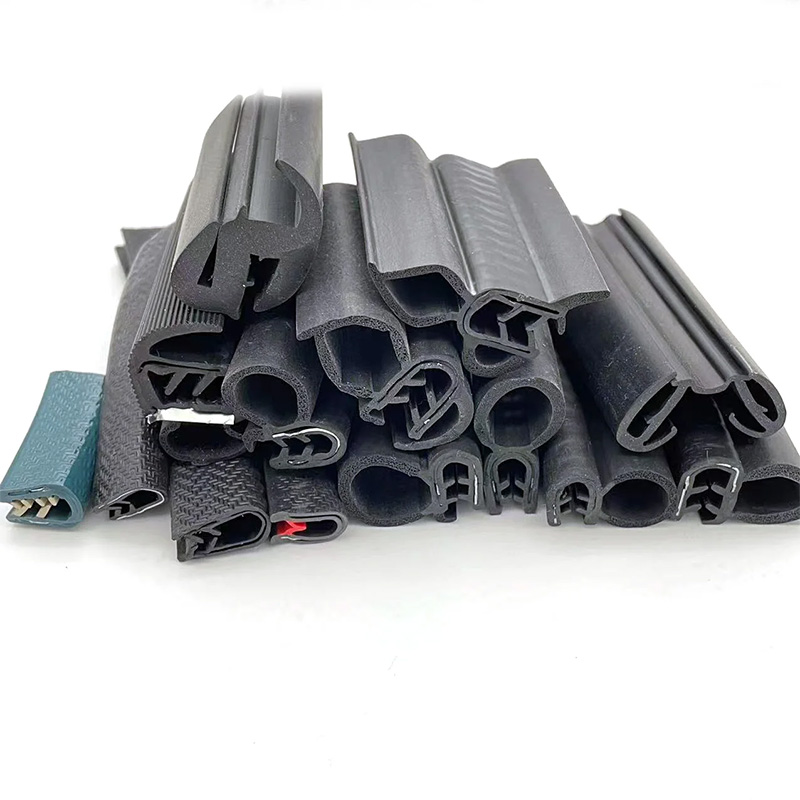
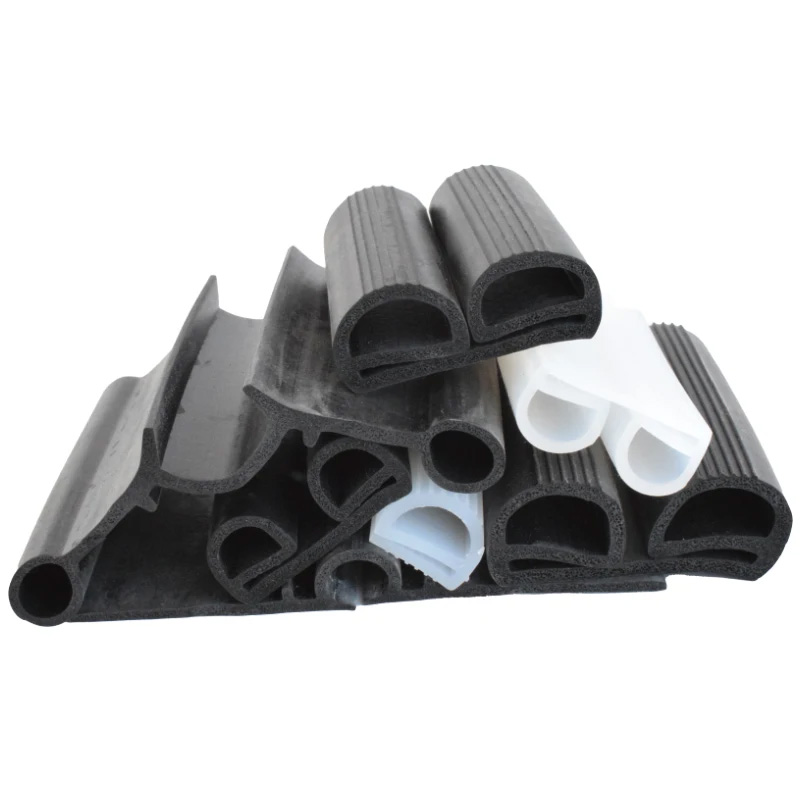
In simple terms, hangar door rubber seals are flexible strips or gaskets attached along the edges of hangar doors to create a tight barrier when closed. Made primarily from durable elastomeric compounds, they compensate for uneven surfaces and door misalignments, preventing air, water, dust, and pests from entering the hangar space. These seals don’t just keep the elements out—they also help maintain consistent indoor climates, which is critical for preserving sensitive aircraft components and electronics.
Oddly enough, without these seals, a hangar might as well be an open shell: inefficient, vulnerable, and costly to maintain. In modern industry terms, these seals bridge architecture, material science, and operational practicality.
Core Components & Key Factors of Hangar Door Rubber Seals
1. Durability & Material Composition
The most effective seals are made from EPDM (ethylene propylene diene monomer) rubber or silicone, materials known for weather resistance and elasticity over temperature extremes. Their ability to withstand UV rays, ozone, and chemicals means fewer replacements and reduced maintenance costs.
2. Compression & Flexibility
Seals need to compress firmly without losing shape over time. This ensures an airtight and watertight barrier even when doors are frequently opened and closed. Good seals adapt to small door warps, which hangars often experience after long periods of use.
3. Size & Fit Customization
Since hangar doors vary hugely in size and design—from sliding to bifold types—seals must be tailored accordingly. Custom presets or modular components facilitate installation and retrofit projects, saving time and money.
4. Cost Efficiency & Longevity
While cheap seals might save upfront cash, they tend to degrade quickly, causing more frequent downtime and repairs. Investing in high-quality seals is a cost-saving strategy in the long term, reducing operational interruptions.
5. Environmental Resistance
Seals are routinely exposed to dynamic environmental conditions—in coastal airports, salty air corrodes; in deserts, dust is relentless. The right material choice keeps seal integrity intact, preventing damage to indoor infrastructure.
Mini Takeaway:
Choosing quality hangar door rubber seals demands understanding of materials, door mechanics, and environmental challenges. It's an investment that pays off through efficiency, protection, and durability.
Global Applications and Use Cases
- Commercial Airports: Major hubs like Heathrow or JFK employ advanced sealing systems to protect aircraft from the elements and reduce energy consumption in massive hangars.
- Military Bases: Security-sensitive sites rely on tight seals to prevent intrusion but also to maintain stable temperatures for sensitive avionics.
- Disaster Relief & Remote Zones: In places where rapid deployment hangars are needed—think UN relief operations—rubber seals help quickly establish secure, stable shelters protecting aid aircraft.
- Manufacturing & Maintenance Facilities: Hangars also serve as workshops; maintaining cleanliness via effective sealing prevents contamination during repairs.
Each context calls for tailored sealing solutions, which sometimes requires international collaboration and adherence to regulations, such as ICAO standards.
Advantages & Long-Term Value
Hangar door seals provide real, measurable benefits:
- Energy Savings: A sealed hangar reduces heating and cooling costs, often recouping seal investments within a few years.
- Preservation: Prevents moisture and dust ingress, protecting aircraft from corrosion—a critical consideration given that corrosion costs the aviation industry billions annually.
- Operational Reliability: Fewer maintenance interruptions and downtime improve scheduling and safety.
- Safety & Comfort: Proper sealing creates a safer and more comfortable working environment for ground staff and engineers.
- Sustainability: Longer-lasting seals reduce waste, and some manufacturers now use eco-friendly rubber compounds.
Hangar Door Rubber Seal Specification Table
| Feature | Description |
|---|---|
| Material | EPDM Rubber / Silicone |
| Temperature Range | -40°C to +120°C (-40°F to +248°F) |
| Compression Set | |
| UV & Ozone Resistance | Excellent (per ASTM D1149) |
| Typical Lifespan | 5–10 years, depending on conditions |
| Installation | Custom-fit, adhesive or mechanical fixes |
Top Vendors Comparison
| Vendor | Material Quality | Customization Options | Lead Time | Sustainability Focus |
|---|---|---|---|---|
| SealTech International | High EPDM Grade | Bespoke Profiles | 4–6 weeks | Recycled Compounds |
| AeroSeal Solutions | Silicone Blend | Modular Kits | 3–5 weeks | Low VOC Materials |
| Global Seal Systems | Standard EPDM | Standard Profiles | 2–4 weeks | Limited |
Emerging Trends & Innovations in Hangar Seal Technology
There's a quiet revolution in seal technology buzzing under the radar. Some manufacturers are pioneering smart seals embedded with sensors that can detect door alignment issues or seal degradation in real-time—ideal for massive operations where small failures could cascade into big problems. Others develop bio-based rubbers to reduce carbon footprints, aligning with aviation’s broader sustainability goals. Also, automated installation techniques and modular seal systems are gaining traction, speeding up refurbishments in operational airports without downtime.
Frankly, these innovations promise to make hangar maintenance smarter and more eco-conscious, responding to industry pressures and regulatory frameworks set by entities like the United Nations Environment Programme.
Challenges & Practical Solutions
Despite their importance, hangar door seals face some hurdles:
- Material Degradation: Exposure to harsh weather means seals eventually crack or warp.
- Installation Complexity: Custom shapes require precision fitting—a tough call for retrofit projects.
- Supply Chain Delays: Specialized materials may take weeks to source.
Experts recommend routine inspections combined with predictive maintenance. Also, partnering with vendors offering customizable kits and local inventory can mitigate lead-time issues. It’s also worth noting that some airports have experimented with dual-seal systems, creating a double barrier for extra protection.
FAQ: Common Questions About Hangar Door Rubber Seals
- How long do hangar door rubber seals typically last under normal conditions?
- Typically, high-quality seals last between 5 to 10 years, depending on environmental stress and maintenance. Extreme weather can shorten this lifespan, but regular inspections help extend it.
- Can these seals be retrofit to older hangars without major renovations?
- Yes, many seals come in modular or customizable forms designed specifically for retrofit applications. Proper measurements and professional installation ensure an effective fit.
- Are hangar door seals environmentally friendly?
- Recent advancements include bio-based and recycled rubber materials that reduce the ecological footprint. Choosing vendors committed to sustainability helps align with green initiatives.
- What are common signs that a seal needs replacement?
- Look for visible cracks, air or water leaks, increased energy bills, or difficulty in closing doors properly. These indicate seal failure and prompt replacement.
- How do I choose the right vendor for hangar door rubber seals?
- Consider material quality, customization capabilities, delivery times, and sustainability commitments. Comparing vendor offerings and checking for relevant certifications enhances decision-making.
Conclusion: Why Hangar Door Rubber Seals Are Worth Your Attention
In the grand scheme, it’s tempting to overlook something as unassuming as hangar door rubber seals. But they represent a key intersection of cost efficiency, sustainability, and aircraft safety. Whether you’re upgrading an airport, running a military base, or supporting humanitarian missions, the right seal can make a world of difference.
Ready to protect your investment and boost operational reliability? Visit our website here: hangar door rubber seals for specialized solutions tailored to your needs.
Fair to say, taking seal selection seriously saves you money, stress, and plenty of headaches over time.
Quick Summary Takeaway:
Optimizing hangar door seals is a practical, cost-effective way to enhance aviation operations, reduce environmental impact, and maintain asset integrity for years to come.
References:
Share
-
Eco Friendly Drawstring Jute Bag Guide for Sustainable PackagingNewsApr.16,2026
-
Elegant Wedding Jute Bags for Sustainable and Rustic Event PackagingNewsApr.09,2026
-
Sustainable Jute Bags for Coffee Packaging and Branding SolutionsNewsApr.07,2026
-
Explore the Benefits of Sustainable Saran Jute Bags for Your BusinessNewsApr.04,2026
-
Sustainable Jute Soap Bags Packaging Solutions for Eco Friendly BrandsNewsMar.31,2026
-
Discover the EcoFriendly Charm of Jute Favor Bags for Every OccasionNewsMar.28,2026