The Ultimate Guide to Auto Window Rubber Seals: Benefits, Applications & Innovations
Understanding Auto Window Rubber Seals: Essential Components for Modern Automotive Performance
When you think about your car, the shiny paint, sleek design, or roaring engine often come to mind first. But tucked away quietly around every window is a small hero that hardly gets noticed: the auto window rubber seals. These components might be humble in size, but they play a huge role in your driving experience, vehicle longevity, and even environmental sustainability.
Globally, the automotive industry relies heavily on robust sealing solutions to keep vehicles safe from elements, reduce noise pollution, and improve fuel efficiency through proper aerodynamics. Knowing how these seals work, their global relevance, and future trends opens a window — pun intended! — into automotive innovation at large.
Introduction: Global Context of Auto Window Rubber Seals
Auto window rubber seals are a staple across all vehicle types worldwide. According to the International Organization for Standardization (ISO), quality rubber components are critical to vehicle safety and environmental standards (ISO 9001). In fact, the growing demand for electric and autonomous vehicles further emphasizes the need for exceptional sealing to ensure cabin comfort and quieter rides.
Yet challenges such as extreme weather conditions, material degradation, and rising automotive costs continue to push manufacturers and suppliers toward better, more sustainable sealing materials. Modern seals must withstand heat, cold, UV radiation, and mechanical wear while maintaining airtight and watertight properties. That’s no small feat, frankly.
What Are Auto Window Rubber Seals?
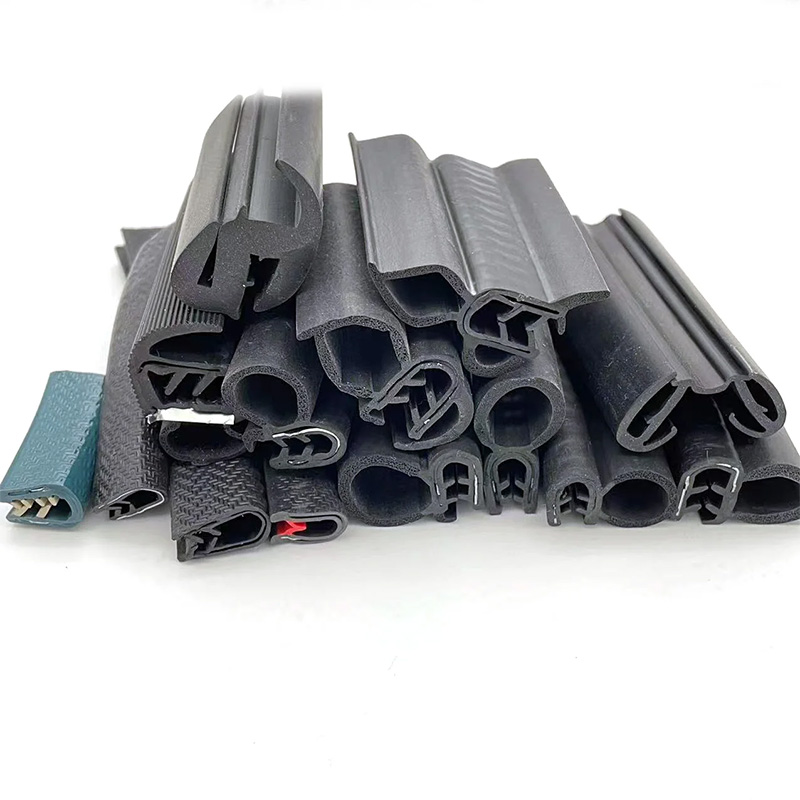
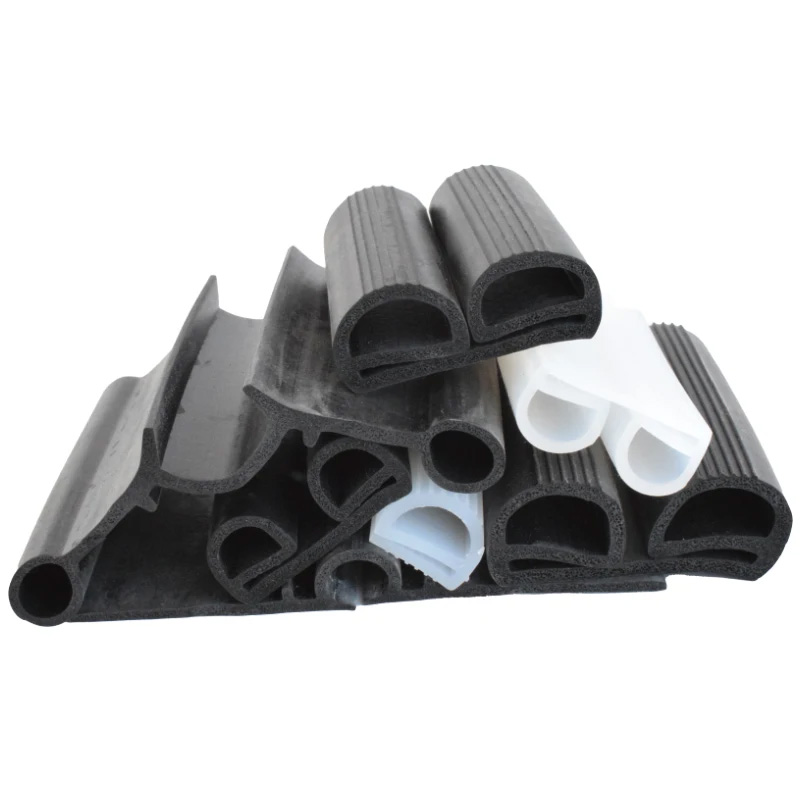
Simply put, auto window rubber seals are flexible strips usually made of synthetic rubber placed around car windows to seal the gap between the glass and the vehicle’s body. Their primary function is to prevent water, dust, air, and noise from entering the cabin. This preserves interior comfort and protects the vehicle’s electronic and mechanical parts from damage.
In the context of modern industry, these seals are part of the broader automotive sealing system critical for compliance with safety, emission, and quality standards worldwide. They have also found humanitarian importance—think disaster relief vehicles operating in rough terrain that demand reliable weather-proof performance.
Core Components and Key Factors of Auto Window Rubber Seals
Durability
Durability defines how long a seal can withstand mechanical stress and environmental exposure without cracking or deforming. High-quality EPDM (ethylene propylene diene monomer) rubber is common because it resists heat, cold, and ozone damage effectively.
Flexibility
Flexibility is vital for ensuring the seal fits perfectly around various window shapes and maintains continuous contact despite vibration or door movement.
Water & Air Tightness
These seals must create a tight barrier against water ingress and drafts to avoid corrosion inside and unwanted noise, making for a quieter and safer ride.
Cost Efficiency
Sourcing materials and manufacturing seals economically while meeting stringent automotive standards plays a key role in mass vehicle production.
Customization
With vehicles ranging from compact city cars to heavy-duty trucks, seals must be customizable in shape, size, and hardness.
Environmental Sustainability
With the global push toward greener manufacturing, many rubber manufacturers are developing eco-friendlier compounds and recyclable materials.
Product Specifications of Typical Auto Window Rubber Seals
| Specification | Details |
|---|---|
| Material | EPDM Rubber (Ethylene Propylene Diene Monomer) |
| Temperature Range | -40°C to +120°C (-40°F to +248°F) |
| Hardness | 60-70 Shore A (flexible yet durable) |
| Tensile Strength | > 8 MPa |
| UV and Ozone Resistance | Excellent |
| Color Options | Primarily Black; Others on request |
Global Applications & Use Cases
Auto window rubber seals aren’t just found on your everyday sedan. Their global footprint spans multiple industries:
- Automotive Manufacturing: Used by OEMs worldwide to meet regulatory requirements and consumer comfort expectations.
- Heavy Machinery and Agriculture: Seals protect cabin interiors against dust and water in harsh work environments.
- Public Transportation: Buses and trams use these seals to reduce noise and improve air containment.
- Disaster Relief Vehicles: In post-disaster zones, vehicles equipped with reliable seals ensure operational reliability amidst extreme weather.
- Emerging Markets: Countries in Asia and Africa benefit by adopting durable seals for vehicles exposed to high sun and heavy rains.
Organizations such as the United Nations have highlighted vehicle reliability as a key factor in humanitarian logistics (UN Vehicle Safety Guidelines). Investing in quality seals extends vehicle lifespan and mission success.
Vendor Comparison: Leading Auto Window Rubber Seals Suppliers
| Supplier | Materials Used | Lead Time | Customization Options | Sustainability Initiatives |
|---|---|---|---|---|
| SealTech Industries | EPDM, TPE | 4-6 weeks | Full profile customization | Recycling program for scrap rubber |
| RubberSeal Pro | EPDM, Silicone blend | 3-5 weeks | Limited customization | Use of bio-based compounds |
| AutoSeal Experts | High-grade EPDM | 6-8 weeks | Standard profiles only | Energy-efficient production |
Advantages & Long-Term Value of High-Quality Auto Window Rubber Seals
Choosing the right seals pays off in multiple ways. There are tangible benefits like reduced maintenance costs, better vehicle efficiency, and improved passenger comfort. Less obvious but equally important are emotional benefits — safety and reliability inspire driver confidence and peace of mind.
In real terms, a good seal means fewer leaks, less noise, and a cabin climate that’s easier to control, all contributing to enhanced user experience and longer vehicle life, supporting sustainability by reducing waste and need for frequent replacements.
Future Trends & Innovations in Auto Window Rubber Seals
Oddly enough, the “simple” seal has seen some cool innovations lately. For instance, new formulations of eco-friendly elastomers and advances in digital extrusion technologies promise tighter tolerances and less raw material waste.
We’re also seeing automation in quality inspection, helping catch microscopic defects earlier. Additionally, materials that integrate better with electric vehicle architecture for noise reduction and thermal management are becoming hot topics.
Challenges & Solutions
Despite advances, challenges remain such as balancing cost with performance and ensuring seals adapt to vehicle design changes quickly. Weather extremes in some regions accelerate material wear, calling for ongoing R&D.
Expert manufacturers address these by investing in material science, developing hybrid compounds, and collaborating closely with automotive OEMs to anticipate design trends.
FAQ: Frequently Asked Questions about Auto Window Rubber Seals
- Q1: How long do auto window rubber seals typically last?
- A: Most high-quality rubber seals last between 5 to 10 years, depending on exposure to sunlight, temperature extremes, and maintenance habits.
- Q2: Can damaged seals affect car performance?
- A: Yes, damaged or worn seals can cause water leaks, increased road noise, and even contribute to fogging or malfunction of electronic components.
- Q3: Are all rubber seals the same?
- A: No, materials and profiles differ significantly. EPDM is most common, but silicone or TPE blends exist for specialized uses.
- Q4: Can I customize seals for vintage cars or special designs?
- A: Many suppliers offer customization services to fit unique window shapes and hardness requirements. It’s best to consult directly for custom projects.
Conclusion & Call to Action
Auto window rubber seals may be small, but their impact is large — from keeping you dry and quiet to supporting vehicle resilience and environmental goals. As the automotive industry evolves, investing in reliable, sustainable sealing solutions becomes even more critical.
For trusted expertise, quality products, and tailored options, visit our website: auto window rubber seals.
A tiny part with a big role — sometimes the unsung heroes deserve a little spotlight!
References
Share
-
Eco Friendly Drawstring Jute Bag Guide for Sustainable PackagingNewsApr.16,2026
-
Elegant Wedding Jute Bags for Sustainable and Rustic Event PackagingNewsApr.09,2026
-
Sustainable Jute Bags for Coffee Packaging and Branding SolutionsNewsApr.07,2026
-
Explore the Benefits of Sustainable Saran Jute Bags for Your BusinessNewsApr.04,2026
-
Sustainable Jute Soap Bags Packaging Solutions for Eco Friendly BrandsNewsMar.31,2026
-
Discover the EcoFriendly Charm of Jute Favor Bags for Every OccasionNewsMar.28,2026