Sliding Door Rubber Weather Seal – Industrial Quality & Durability
Sliding Door Rubber Weather Seal: Why It Matters in Industrial Settings
Having spent over a decade around industrial equipment — maintenance floors, assembly lines, warehouses — I can tell you one thing for sure: not all sliding door rubber weather seals are created equal. Oddly enough, something as seemingly simple as a rubber weather seal can make or break your facility's efficiency, energy bills, and even employee comfort.
Now, you might wonder why a rubber strip deserves so much attention. Frankly, sliding doors are notorious weak points for air leaks, dust ingress, and noise infiltration. Put a poorly designed seal on it, and you’ll end up chasing symptoms rather than solving the root issues. I’ve seen facilities where replacing just these seals shaved off a noticeable chunk of heating or cooling expenses. It’s that impactful.
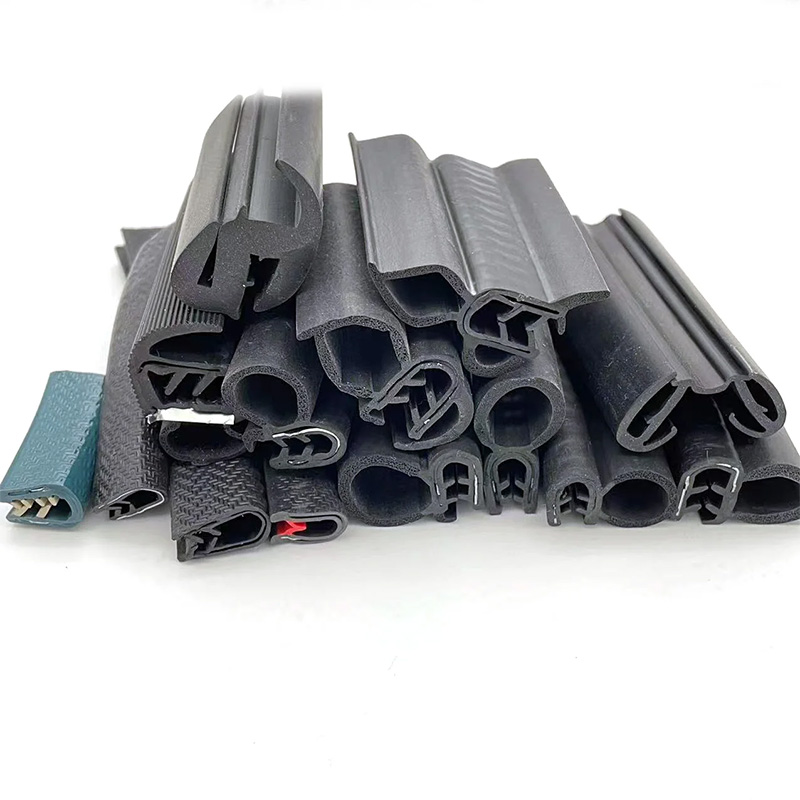
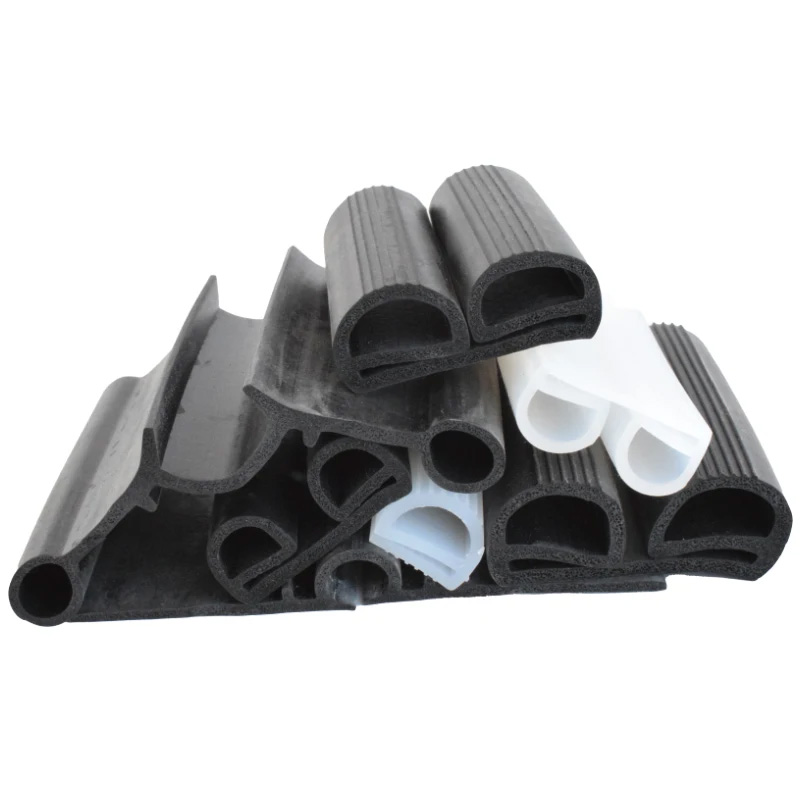
One thing to keep in mind is material composition. Most industrial-grade seals use EPDM (ethylene propylene diene monomer) rubber — a mouthful, I know — prized for resilience against UV rays, temperature swings, and ozone exposure. This is no surprise given that sliding door seals often face the brunt of weather and wear. Some lesser products skimp on quality, opting for cheap PVC alternatives that crack or harden over months, which obviously defeats the purpose.
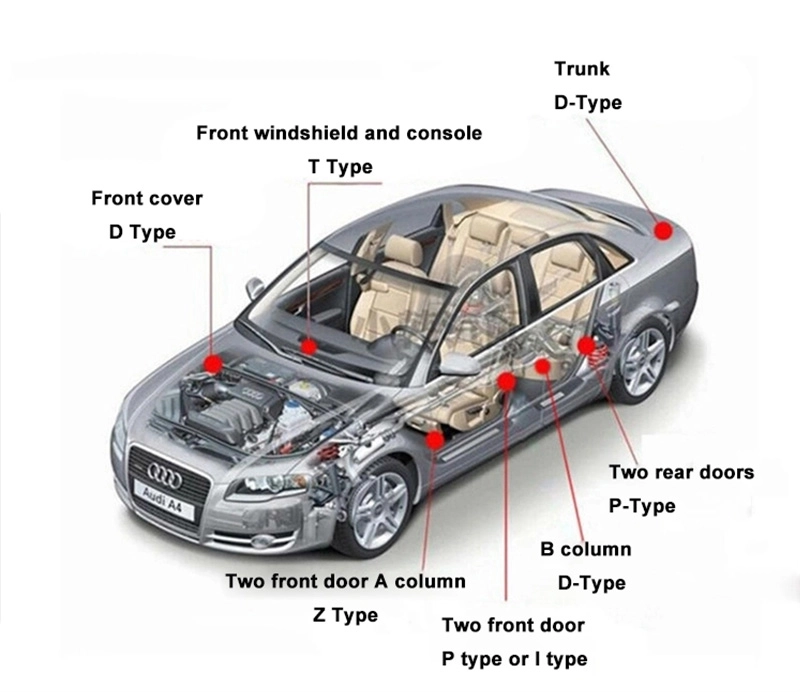
Design nuances are equally crucial. I recall a client who needed something custom after repeated failures with generic seals. The solution involved a bulb-and-lip configuration that compressed perfectly while sliding but sealed tightly when closed. Customization comes at a cost but saves downtime and maintenance headaches, so it’s worth considering if your doors have unique profiles or heavy daily use.
| Property | Value / Range |
|---|---|
| Material | EPDM Rubber |
| Temperature Resistance | -40°C to +120°C (-40°F to +248°F) |
| Hardness (Shore A) | 50 - 70 |
| UV Resistance | Excellent |
| Weatherproofing | High |
| Installation Method | Adhesive / Mechanical Fitting |
We often overlook how important testing standards are. I’ve noticed that the best sliding door seals conform to ASTM and ISO specs ensuring durability and consistent performance under dynamic motion—sliding, opening, shutting thousands of times without failure. It’s a bit like choosing tires for a race car; you want something built to last under stress, not just a one-off bargain.
Speaking of vendors, this is where many teams get stuck. Which manufacturer truly walks the talk? Obviously, price is a factor but reliability and after-sale support matter far more. Let me break it down with a simple comparison:
| Vendor | Material Quality | Customization Options | Price Range | Lead Time |
|---|---|---|---|---|
| XT Shuoding | High-grade EPDM Rubber | Extensive (profiles & sizes) | Competitive | 2-4 weeks |
| Generic Supplier A | Medium quality PVC | Limited | Low | 1-2 weeks |
| Industrial Seals Co. | EPDM & Silicone blends | Moderate | Mid-range | 3-5 weeks |
In real terms, I recently upgraded a sliding door seal for a food packaging plant. The difference was night and day. The chillers ran less aggressively, employees worried less about drafts, and the overall workspace stayed cleaner without dust sneaking in gaps. You know, there’s something oddly satisfying about solving problems with a piece of rubber!
If you’re looking for reliability, expect to invest a bit more upfront for quality seals that outlast fast-fail alternatives. Always check product data sheets and inquire about material certifications. And yes, don’t underestimate the value of a vendor who understands your unique environment — it makes all the difference.
At the end of the day… the right sliding door rubber weather seal feels less like an expense and more like insurance against downtime and energy waste. I suppose that’s the best way to think about it.
References:
- ASTM Standard D2000 – Rubber Products Classification System
- ISO 3302-1 – Rubber Tolerances and Dimensions
- Industry case studies on weather seal energy savings, 2020-2023
– An industrial technician who’s seen it all with sealing solutions
Share
-
Eco Friendly Drawstring Jute Bag Guide for Sustainable PackagingNewsApr.16,2026
-
Elegant Wedding Jute Bags for Sustainable and Rustic Event PackagingNewsApr.09,2026
-
Sustainable Jute Bags for Coffee Packaging and Branding SolutionsNewsApr.07,2026
-
Explore the Benefits of Sustainable Saran Jute Bags for Your BusinessNewsApr.04,2026
-
Sustainable Jute Soap Bags Packaging Solutions for Eco Friendly BrandsNewsMar.31,2026
-
Discover the EcoFriendly Charm of Jute Favor Bags for Every OccasionNewsMar.28,2026