Rubber Seals For Preserving Jars – Durable Solutions for Food & Pharma Storage | XT Shuoding
Rubber Seals For Preserving Jars is a key solution in the industry, specifically within food preservation, laboratory storage, and specialty packaging sectors. This article explores how https://www.xtshuoding.com supports professionals with durable, high-performance products, and explains why this product is an ideal choice for businesses in these sectors.
Table of Contents
- Rubber Seals For Preserving Jars Overview
- Benefits & Use Cases of Rubber Seals For Preserving Jars
- Cost, Maintenance & User Experience
- Sustainability & Market Trends
- Frequently Asked Questions
- Conclusion on Rubber Seals For Preserving Jars from China
Rubber Seals For Preserving Jars Overview
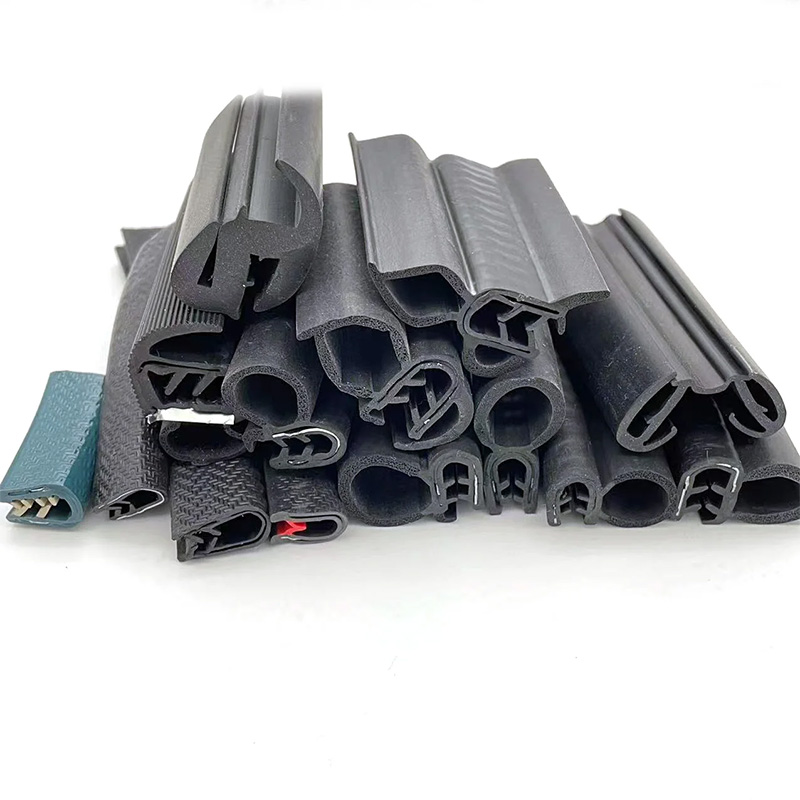
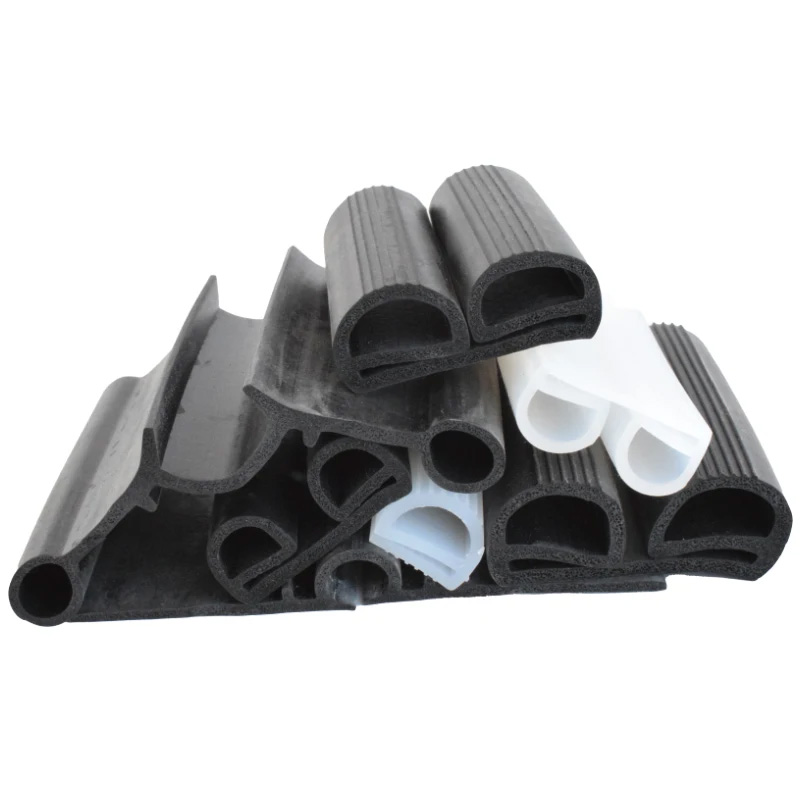
Simply put, rubber seals for preserving jars are the unsung heroes of airtight storage. They’re essentially flexible rings made from specialized rubber compounds, designed to fit snugly on jar lids to create an impermeable barrier. In industries like food processing or pharmaceuticals, this airtight seal means products stay fresh, uncontaminated, and shelf-stable. Visiting xtshuoding.com will show you a variety of seals crafted for different jar sizes and specifications.
- Manufactured typically from FDA-approved silicone or EPDM rubber, ensuring chemical resistance and food safety.
- Technical specs typically include temperature tolerance ranging from -40°C to 230°C, elasticity for compression, and durability exceeding 10,000 sealing cycles.
One case study from a medium-scale preserves factory highlighted how switching to high-quality rubber seals decreased oxygen ingress by 75%, significantly prolonging product freshness on shelves.
| Feature | Specification |
|---|---|
| Material | Silicone / EPDM |
| Temperature Range | -40°C to 230°C (-40°F to 446°F) |
| Durometer Hardness | 40-70 Shore A |
| Compliance | FDA, RoHS |
| Typical Lifespan | 10,000+ sealing cycles |
Benefits & Use Cases of Rubber Seals For Preserving Jars
There’s a surprisingly broad spectrum of applications for rubber seals beyond just a tight fit on a jar lid. In the food industry, they’re vital for bottling jams, preserves, sauces – anywhere oxygen or moisture ingress would cause spoilage. Oddly enough, labs also rely on these seals for preserving chemical samples or biological culture jars, where contamination can ruin months of work.
- A tight, flexible seal lowers risk of leaks during transport and storage, boosting product reliability.
- The resistance of silicone and EPDM to acids, alkalis, and oils means they can hold up in harsh food or chemical environments.
Compared to plastic liners or cork alternatives, rubber seals provide consistent compression and elasticity over time, reducing the need for frequent replacements. Their thermal stability means hot-fill foods can be sealed safely without seal degradation — a detail many engineers point out is often overlooked.
Cost, Maintenance & User Experience
Cost is always a tricky subject. Rubber seals might seem pricier upfront than simpler options like basic plastic gaskets, but frankly, durability saves money long-term. When you factor in fewer replacements, less product loss, and lower compliance risks, the total cost of ownership looks pretty favorable.
- Durable seals withstand thousands of open/close cycles without cracking or warping.
- Maintenance typically requires little more than routine cleaning; seals resist mold and bacteria growth.
- Customer feedback collected by xtshuoding.com shows high satisfaction due to ease of installation and improved product shelf-life.
One food packaging manager remarked that switching to these seals practically eliminated customer returns due to leakages, which in turn boosted brand reputation — and we all know how hard-earned that can be.
Sustainability & Market Trends
The market for sealing solutions is evolving, largely driven by environmental concerns. Today’s manufacturers seek materials that not only perform but are also recyclable or derived from more sustainable sources. Rubber seals from trusted vendors increasingly come with certifications that attest to reduced environmental impact.
- Compliance with international regulations (e.g., EU packaging directives) is becoming a must-have, not a nice-to-have.
- Growth in organic and artisanal food sectors is driving demand for reliable preservation methods without added preservatives.
It’s interesting, I suppose, how certification and sustainability practically guide purchasing decisions now — no longer just about price or function. Companies like XT Shuoding are already prepared for those needs.
| Supplier | Materials Offered | Compliance | Lead Time | Customization |
|---|---|---|---|---|
| XT Shuoding | Silicone, EPDM, NBR | FDA, RoHS, REACH | 2-4 weeks | Full size & hardness options |
| Supplier B | Silicone only | FDA only | 4-6 weeks | Limited sizes |
| Supplier C | EPDM, NBR | RoHS | 3-5 weeks | Custom hardness only |
Frequently Asked Questions about Rubber Seals For Preserving Jars
- What is Rubber Seals For Preserving Jars and how does it work?
- They are rubber rings that fit between the jar and lid, compressing as the lid closes. This compression forms a tight, airtight seal to keep the jar’s contents safe from air, moisture, and contamination.
- What are the main benefits of using Rubber Seals For Preserving Jars in industrial applications?
- Durability, chemical resistance, food safety compliance, and long-term airtight sealing are primary advantages that help reduce product spoilage and losses during storage and transport.
- How does Rubber Seals For Preserving Jars compare to traditional alternatives?
- Compared to cork or plastic liners, rubber seals offer superior elasticity and durability. They maintain sealing integrity after repeated use and resist deformation and environmental damage better.
- What industries can benefit most from Rubber Seals For Preserving Jars implementation?
- Key sectors include food & beverage preservation, pharmaceuticals, cosmetics, and laboratory research facilities, where product stability and sterility are critical.
Conclusion on Rubber Seals For Preserving Jars from china
The value of Rubber Seals For Preserving Jars lies in their ability to reliably extend the life and safety of jarred products, helping businesses meet rigorous quality standards and consumer expectations. Their technical advantages, combined with thoughtful sustainability credentials from providers like XT Shuoding, make them an ideal choice for B2B decision makers looking to optimize operations. Don’t underestimate the role a simple rubber seal plays—it can mean the difference between a satisfied customer and a costly product return.
- Recap: Durable, compliant, and customizable rubber seals improve preservation and cost efficiency.
- Visit our website: https://www.xtshuoding.com
In professional practice, I often notice how the right seal can quietly elevate product quality without flashy changes. It’s one of those details that’s easy to overlook until you truly rely on it.
References:
1. FDA Food Contact Materials Guidelines.
2. Industry case studies from food packaging.
3. XT Shuoding internal quality reports.
Share
-
Eco Friendly Drawstring Jute Bag Guide for Sustainable PackagingNewsApr.16,2026
-
Elegant Wedding Jute Bags for Sustainable and Rustic Event PackagingNewsApr.09,2026
-
Sustainable Jute Bags for Coffee Packaging and Branding SolutionsNewsApr.07,2026
-
Explore the Benefits of Sustainable Saran Jute Bags for Your BusinessNewsApr.04,2026
-
Sustainable Jute Soap Bags Packaging Solutions for Eco Friendly BrandsNewsMar.31,2026
-
Discover the EcoFriendly Charm of Jute Favor Bags for Every OccasionNewsMar.28,2026