Piston Rubber Seals: The Unsung Hero of Modern Industry and Engineering
What Are Piston Rubber Seals and Why Do They Matter Globally?
Piston rubber seals — often overlooked but absolutely vital — are a small component with a monumental role. Picture a piston pushing within a cylinder; without a rubber seal ensuring a tight, flexible barrier, that whole system leaks, wears prematurely, and fails. Globally, industries from automotive engineering to humanitarian aid rely heavily on these tiny, resilient parts to maintain efficient and safe machinery. Understanding piston rubber seals isn't just a niche technical curiosity—it’s key to improving manufacturing, reducing waste, and even supporting disaster response logistics.
In real terms, when you think about how many engines, pumps, and industrial machines run the global economy, the importance of sealing technology becomes clearer. Better seals mean fewer breakdowns and longer life cycles, which translates into sustainability gains and cost savings everywhere.
Setting the Stage: The Global Significance of Piston Rubber Seals
Here’s a fact from the ISO: sealing technologies like piston rubber seals contribute to extending machine lifetime by up to 30%. That’s no small figure when you tally up industrial machinery worldwide. From manufacturing hubs in East Asia to energy projects in the Middle East and automotive assembly lines in Europe and North America, seals keep the energy flowing and economies humming.
Yet, the challenge remains: sealing must handle increased pressures, varied temperatures, and diverse chemical exposures, all while reducing environmental impact. This challenge underscores why piston rubber seals continue to evolve and why industries seek better materials and designs.
It’s also intriguing that humanitarian operations rely on heavy machinery requiring these seals. For example, in post-disaster zones, reliable hydraulic systems enable critical infrastructure repair. So, a simple seal contributes indirectly to human safety and dignity.
Understanding the Basics: What Defines a Piston Rubber Seal?
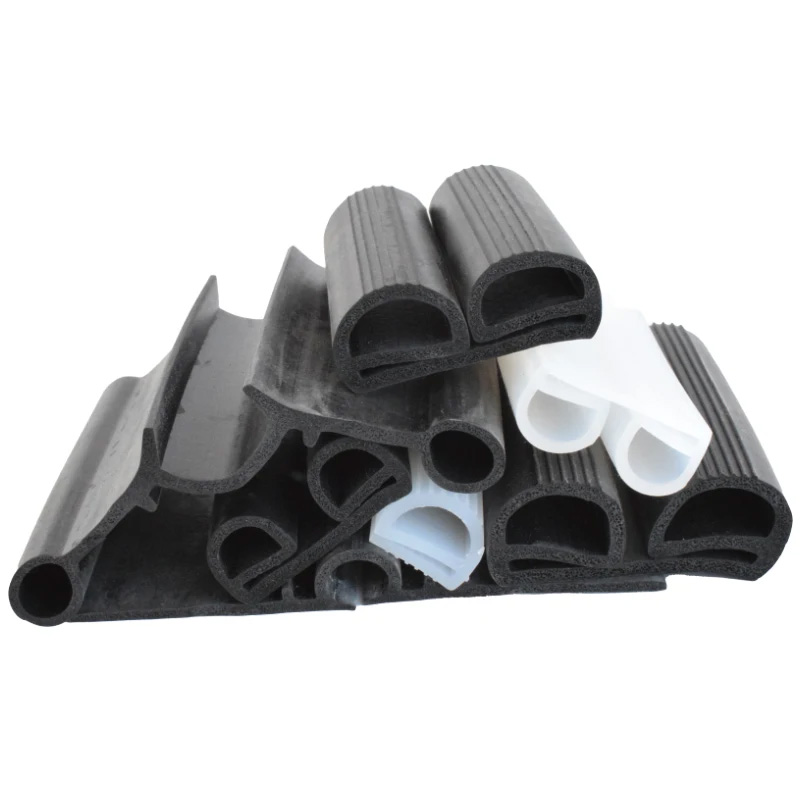
Simply put, a piston rubber seal is a flexible gasket placed around the piston's circumference inside hydraulic or pneumatic cylinders. Its job? To prevent fluid or air leakage by maintaining pressure and ensuring smooth piston movement.
These seals play a silent but essential role in modern industries: automotive brakes, construction machinery, aerospace components, and even biomedical pumps. Thanks to advances in polymer science, today's seals are more adaptable and durable than ever.
Mini Takeaway:
Think of piston rubber seals as the unsung heroes of motion and pressure — their proper function underlies many tools and systems we take for granted.
Core Components: What Makes Piston Rubber Seals Tick?
1. Material Composition
The majority are made from elastomers like nitrile (NBR), silicone, EPDM, or fluorocarbon (Viton). Each material has unique resistance features—chemical, temperature, or wear. For example, Viton seals perform well in high temperature and aggressive chemical environments but cost more.
2. Durability & Wear Resistance
Seals must withstand repeated friction and pressure cycles. Advanced fillers and coatings extend lifespan, reducing downtime and maintenance.
3. Temperature Resistance
Industries often demand seals working in freezing cold or scorching heat, like engines or industrial compressors.
4. Pressure Compatibility
Piston seals frequently endure high pressures—some hydraulic systems operate above 3000 psi. A seal that can’t take the pressure fails fast.
5. Scalability & Customization
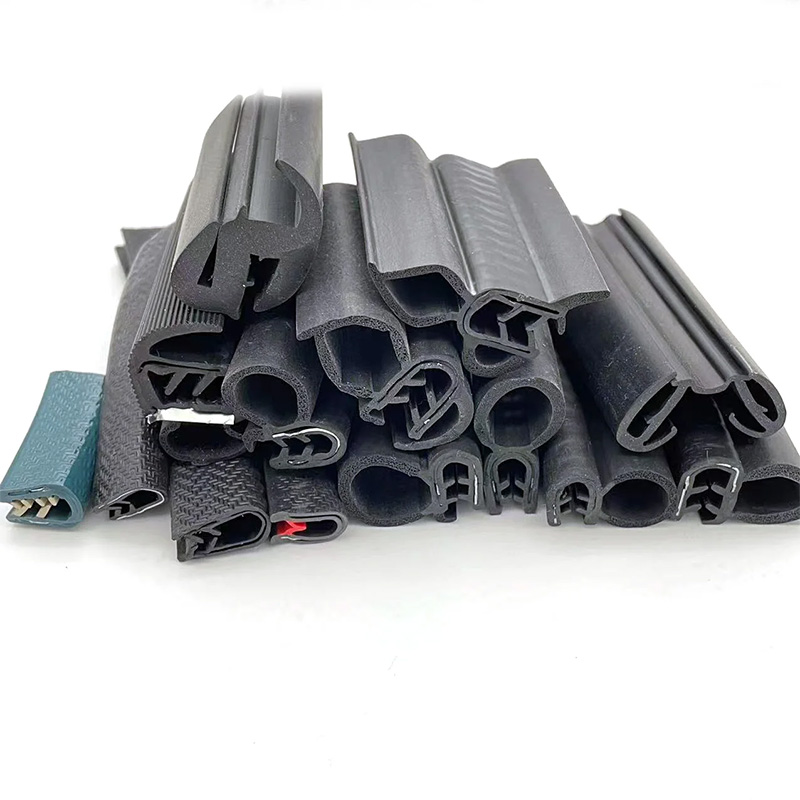
Seals come in many sizes and special profiles. This flexibility allows OEMs to tailor solutions for compact mobile devices or giant construction machines.
Mini Takeaway:
- Every piston seal is a balancing act between material, durability, and operating conditions.
- Choosing the right seal boils down to understanding the environment and pressure.
Worldwide Applications: Where Piston Rubber Seals Shine
Industries spanning continents show how indispensable these seals are. In automotive manufacturing across Germany and Japan, piston rubber seals ensure brake systems and fuel injectors work flawlessly. In energy sectors like oil extraction in the Gulf of Mexico or wind turbines in Denmark, seals prevent leaks that could cripple operations and harm the environment.
Humanitarian sectors also depend on reliable pneumatic equipment — consider water pumps and mobile clinics in Sub-Saharan Africa. The smooth piston action enabled by seals ensures equipment runs efficiently during critical moments.
What’s interesting is the growing demand in emerging markets, where industrialization powers economic growth. Countries like India and Brazil have seen exponential growth in machinery use, driving demand for high-quality piston rubber seals.
Mini Takeaway:
From Arctic drilling sites to remote tropical relief camps, piston seals quietly support operations that affect millions.
The Advantages and Long-Term Value of Good Piston Rubber Seals
The instant benefit: reducing leakage and improving system efficiency. This means machines waste less energy and fluids, lowering operational costs. Over time, well-chosen seals reduce unscheduled downtime and extend equipment lifespans — a boon financially and environmentally.
Beyond cost, there’s a deep social impact. Reliable machinery means safer workplaces and consistent delivery of vital services like clean water, transportation, and medical aid.
Emotionally, engineers and operators build trust in their equipment when seals perform reliably. This trust fosters innovation, encouraging risk-taking and efficiency improvements.
| Specification | Details |
|---|---|
| Materials | Nitrile, Silicone, EPDM, Fluorocarbon |
| Temperature Range | -40°C to 250°C (depending on material) |
| Pressure Ratings | Up to 350 bar (approx. 5000 psi) |
| Typical Applications | Hydraulic systems, automotive, aerospace, industrial machinery |
| Lifespan | 3–7 years under normal operating conditions |
What Innovations Are Shaping the Future of Piston Rubber Seals?
Green materials are increasingly a research focus — bio-based elastomers could reduce the carbon footprint of seal manufacturing. Likewise, digital transformation is introducing smart sealing systems that monitor wear in real time, allowing predictive maintenance.
Automation is making assembly more precise, improving seal installation and reliability. Combining smart seals with Industry 4.0 means fewer surprises and better operational data, and frankly, that’s exciting for engineers worldwide.
Mini Takeaway:
Tomorrow’s piston rubber seals aren’t just passive parts; they’re becoming active participants in system health and sustainability.
Common Challenges and How Industry Experts Are Tackling Them
One frequent issue is seal degradation due to harsh chemical exposure or extreme cycling speeds. Another is the challenge of fitting seals in increasingly compact and complex designs.
Industry leaders tackle this by developing hybrid materials with tailored physical properties and through rigorous testing protocols that simulate years of use within weeks (thankfully without the wait).
Supply chain limitations also challenge timely access, especially for remote projects. Innovative logistics strategies and localizing production are helping here.
Vendor Comparison: Choosing the Right Piston Rubber Seal Supplier
| Supplier | Material Range | Customization Options | Lead Time | Price Level |
|---|---|---|---|---|
| XT Shuoding | Wide (NBR, Viton, EPDM, Silicone) | Custom sizes and compounds | 2–4 weeks | Medium |
| Global Seal Co. | NBR, EPDM standard grades | Limited | 3–5 weeks | Low |
| SealTech Industries | Specialty polymers, Viton variants | High customization | 4+ weeks | High |
Common Questions About Piston Rubber Seals
- Q: How do I know which piston rubber seal material suits my application?
- A: Material choice depends on factors like temperature, pressure, chemical exposure, and lifecycle demands. Nitrile seals are great for oil-based applications and moderate temps, while Viton suits high heat and chemical resistance. Consulting with seals experts helps simplify selection.
- Q: Can piston rubber seals be reused after disassembly?
- A: Generally, seals should be replaced rather than reused because they deform and lose elasticity during use. Reusing them risks leakage and premature failure.
- Q: Are piston rubber seals environmentally friendly?
- A: Traditional seals aren't biodegradable, but advances in bio-based rubber compounds are making seals greener. Efficient sealing also reduces leaks, indirectly lowering environmental harm.
- Q: How long do piston rubber seals typically last?
- A: Lifespans vary widely but under normal conditions, seals last 3-7 years. Proper installation and maintenance can extend that range.
- Q: Where can I purchase high-quality piston rubber seals?
- A: Trusted suppliers like XT Shuoding specialize in a range of piston seal materials and custom options, ensuring quality and fast delivery worldwide.
Wrapping It Up: Why Piston Rubber Seals Deserve a Spot in Your Toolbox
In the grand scheme, piston rubber seals feel like a “small thing” making a huge difference. Whether you’re an engineer designing heavy machinery or a project manager overseeing disaster relief equipment, knowing the nuances of piston seals saves time, cuts costs, and safeguards operations.
If you want durable, reliable, and customizable piston rubber seals, exploring modern providers like XT Shuoding is a solid first step.
After all, when the seal’s right, the piston moves smoothly—and your whole operation moves forward.
References:
Share
-
Eco Friendly Drawstring Jute Bag Guide for Sustainable PackagingNewsApr.16,2026
-
Elegant Wedding Jute Bags for Sustainable and Rustic Event PackagingNewsApr.09,2026
-
Sustainable Jute Bags for Coffee Packaging and Branding SolutionsNewsApr.07,2026
-
Explore the Benefits of Sustainable Saran Jute Bags for Your BusinessNewsApr.04,2026
-
Sustainable Jute Soap Bags Packaging Solutions for Eco Friendly BrandsNewsMar.31,2026
-
Discover the EcoFriendly Charm of Jute Favor Bags for Every OccasionNewsMar.28,2026