Dec . 13 , 2025 20:50
Back to list
Industrial Rubber Seals: Global Applications, Benefits, and Innovations
What Are Industrial Rubber Seals and Why Do They Matter?
If you’ve ever wondered what keeps machinery airtight, fluid-tight, and reliably operational in factories or remote industrial sites, you’ve come to the right place. Industrial rubber seals might not be the flashiest product on the manufacturing floor, but their global role is quietly colossal. These seals are vital components that prevent leaks, contamination, and the failure of mechanical systems — which, frankly, could lead to costly downtime or environmental hazards if overlooked. Globally, industries ranging from automotive to aerospace, construction to energy, rely heavily on industrial rubber seals to sustain performance and safety standards. The International Organization for Standardization (ISO) dedicates entire standards (like ISO 3601) to gasket and seal design, which underlines how critical proper sealing is to global trade and infrastructure. Mini takeaway: Understanding industrial rubber seals isn’t just for rubber experts; it’s key to grasping how modern industries stay safe, efficient, and sustainable worldwide.The Global Importance of Industrial Rubber Seals
Across continents and industries, demand for these seals is growing. According to market research reports, the global industrial seal market was valued in the billions of dollars in recent years and is expected to grow steadily. Why? Because industries are expanding, and environmental safety regulations are tightening. Consider the World Bank’s recent emphasis on infrastructure sustainability — leaks and failures in pipelines, compressors, or heavy machinery can be disastrous environmentally and economically. Industrial rubber seals bridge this gap by preventing fluid leaks and contamination, thus saving billions in damage and repair annually. Yet, challenges persist: can seals withstand harsh chemicals, extreme temperatures, or shifting pressures? This is where innovation steps in — but more on that later. Mini takeaway: Industrial rubber seals are quietly pivotal in global efforts to enhance industrial safety, reduce waste, and support sustainability goals.Breaking it Down: What Are Industrial Rubber Seals?
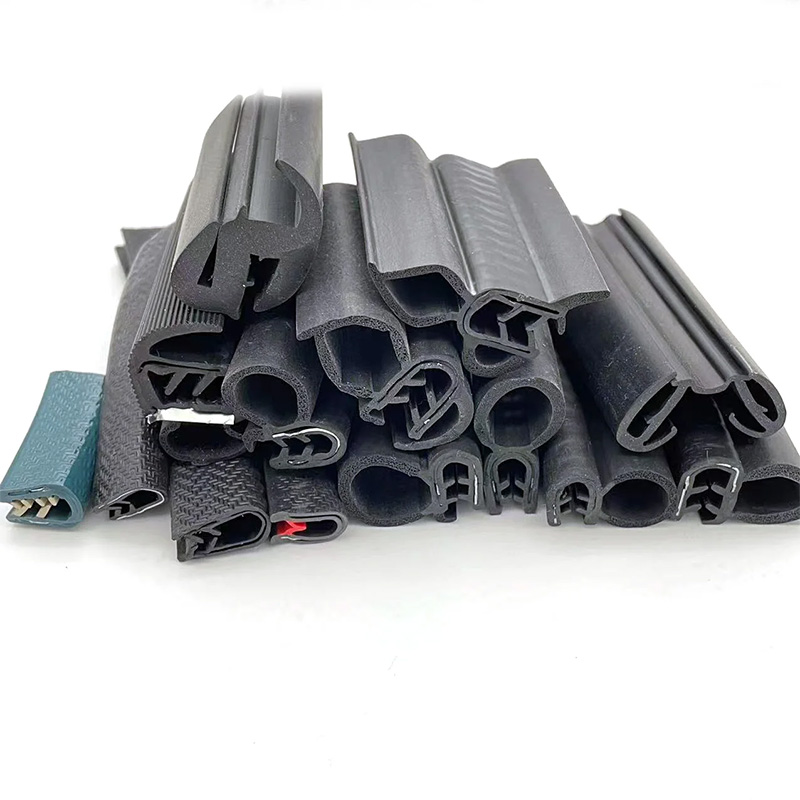
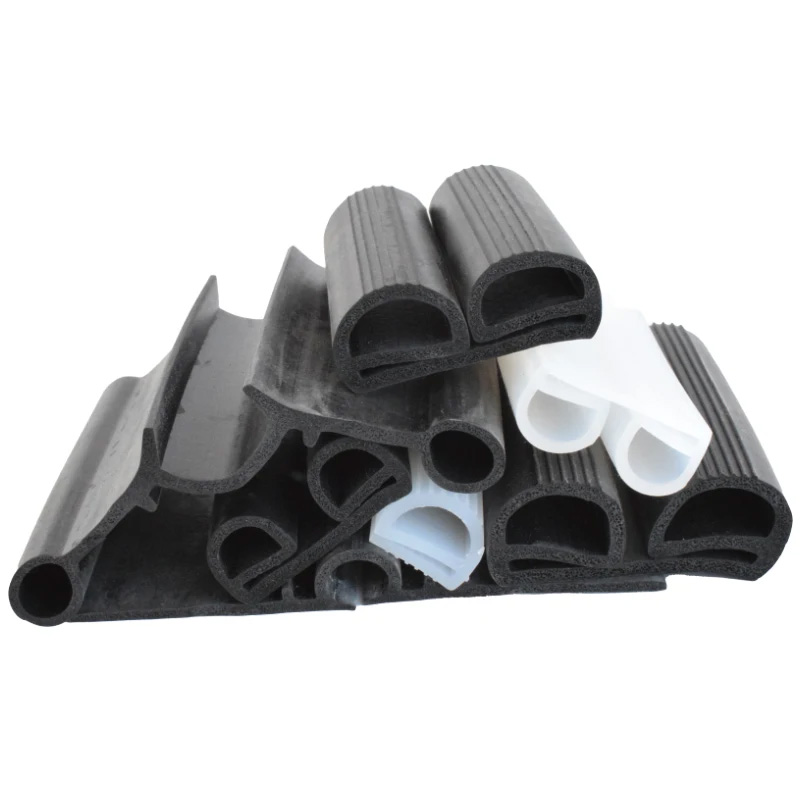
At its core, an industrial rubber seal is a molded or extruded band of elastomeric material designed to fill gaps between stationary or moving parts. Its job is to prevent the unwanted escape or entry of liquids, gases, or contaminants. “Elastomeric” means it stretches and rebounds like a rubber band, making it perfect for tight sealing applications. You’ll find these seals in everything from hydraulic machinery and pumps to food processing lines, ensuring the system works efficiently without leakage or friction damage. Oddly enough, these seals also have a humanitarian side — in disaster zones, for example, inflatable shelters and water purification units depend on reliable seals to function properly. Mini takeaway: Industrial rubber seals are simple in concept but indispensable in practically every modern industry you can name, including emergency humanitarian efforts.Core Components and Key Factors
Durability and Chemical Resistance
The hallmark of a good seal is how well it survives exposure to extreme chemicals, oils, or weathering. Fluoroelastomers like Viton seals, for instance, resist high heat and aggressive chemicals, making them indispensable for chemical plants or automotive engines.Temperature Tolerance
Seals often live in environments that range from freezer temperatures to hundreds of degrees Celsius. Silicone and fluorocarbon-based seals can handle wide thermal ranges, making them go-to choices for aerospace or food-grade machinery.Compression Set and Elasticity
How well a seal “bounces back” after being squished is essential. If a seal permanently flattens, it loses the tight fit and its sealing ability. That’s why manufacturers test seals for compression set and resilience — using standards from ASTM or ISO.Size and Scalability
From tiny O-rings sealing medical devices to huge gaskets in oil refineries, industrial rubber seals come in myriad sizes. Adaptability means manufacturers can customize seals quickly for different projects or repair needs.Cost Efficiency and Production Methods
Injection molding, compression molding, and extrusion are common ways to create these seals. The choice impacts cost, precision, and suitability for volume. Balancing price versus performance is often a customer’s biggest challenge. Mini takeaway: The best industrial rubber seals balance chemistry, mechanical properties, size, and cost — and that balancing act is both art and science.Real-World Applications Around the Globe
The versatility of industrial rubber seals is nothing short of impressive. In North America and Europe, automotive manufacturers rely heavily on precision seals inside engines and braking systems. Meanwhile, in the Middle East and parts of Asia, seals must endure scorching heat and abrasive conditions inside oil and gas equipment. NGOs operating in disaster zones in Africa have discovered that reliable sealing in water purification devices is a game-changer, supporting clean water access with minimal maintenance. In cold northern regions like Scandinavia or Russia, seals help geothermal plants and heavy machinery brave extreme freezing conditions. Interestingly, some industries even overlap with environmental preservation—wind turbines, electric vehicles, and solar panel trackers depend on durable sealing solutions to maintain their lifecycle and efficiency. Mini takeaway: Different industries and regions-around-the-world—each with unique demands—use industrial rubber seals to keep their systems running smoothly and safely.Advantages and Long-Term Value of Industrial Rubber Seals
Economically, seals prevent leaks that cause downtime and costly equipment repairs—period. Longevity means fewer replacements, which is both wallet-friendly and eco-friendly. Choose the right seal, and you reduce waste, lower energy consumption, and increase system reliability. Beyond money, there’s an emotional and social side: safe machinery protects workers from hazardous leaks or mechanical failure. It fosters a culture of trust and innovation — know your gear won’t let you down. And, given the current push for greener manufacturing worldwide, seals that last longer and use less toxic materials resonate well with corporate social responsibility goals. Mini takeaway: Investing in high-quality industrial rubber seals pays off in safety, sustainability and solid financial sense.Looking Ahead: Innovations and Future Trends
The seal industry isn’t stuck in the past! New materials like bio-based elastomers aim to reduce environmental footprints. Smart seals embedded with sensors to detect leaks before they happen are entering the scene, tying into broader Industry 4.0 trends. Digital transformation means more predictive maintenance is possible — imagine your seal telling you it’s time to swap it out before something breaks. Add to that the growing importance of green energy technologies — wind, solar, and hydrogen fuel systems — all needing seals that function flawlessly under new conditions. Regulatory pressure and customer demand for sustainable products are pushing manufacturers to rethink their designs and raw materials every day. Mini takeaway: Expect industrial rubber seals to become smarter, greener, and more responsive to evolving industrial needs.Challenges and How the Industry Responds
It’s not all smooth sailing. Degradation from UV exposure or unexpected chemical exposure, difficulties sourcing raw materials, or the cost of custom molds can all pose hurdles. In response, engineers have ramped up R&D for multi-functional seals that perform under tougher, unpredictable conditions. Companies collaborate closely with clients for tailored solutions, often prototyping with newer elastomers or hybrid materials. Testing standards have become more sophisticated, simulating real-life wear and tear more precisely. Finally, global supply chain disruptions remind us that stocking or locally sourcing quality seals is critical for uninterrupted operations. Mini takeaway: Facing tough challenges, the seal industry innovates through collaboration, advanced materials, and smarter production strategies.Frequently Asked Questions About Industrial Rubber Seals
- What types of rubber are best suited for chemical processing seals?
Fluoroelastomers (like Viton) and EPDM are often preferred due to their chemical and heat resistance. EPDM, for instance, excels with steam and some acids, while Viton handles hydrocarbons better. - How long do industrial rubber seals typically last in heavy machinery?
Seal lifetime varies widely depending on conditions, but generally ranges from 3 to 10 years. Factors like temperature extremes, pressure, and chemical exposure play a major role. - Are custom seals much more expensive than standard ones?
Custom seals do cost more due to tooling and design costs, but for critical applications, the tailored fit and performance justify the expense. Volume orders can also reduce per-piece prices. - Can industrial rubber seals be recycled or reused?
Recycling elastomers is challenging but not impossible—devulcanization techniques are emerging. Reuse depends on the application and seal condition, but safety standards usually limit reuse in critical environments. - Where can I find trustworthy industrial rubber seal vendors?
Established vendors with ISO certifications and proven supply chains are preferred. Checking references and certifications is key. See the vendor comparison table below for some leading companies.
Product Specifications for Typical Industrial Rubber Seals
| Attribute | Typical Range | Units/Notes |
|---|---|---|
| Materials | Nitrile, EPDM, Silicone, Fluoroelastomer | Common elastomers |
| Hardness (Shore A) | 40 – 90 | Varies by seal use |
| Temperature Range | -60 to 250 | °C depending on materials |
| Pressure Resistance | Up to 30 MPa | Depends on application |
| Compression Set | Lower is better |
Vendor Comparison: Leading Industrial Rubber Seal Suppliers
| Vendor | Global Reach | Material Options | Custom Solutions | Certifications |
|---|---|---|---|---|
| SealTech Inc. | North America, Europe | Nitrile, EPDM, Silicone | Yes, medium volume | ISO 9001, ISO 3601 |
| GlobalSeal Solutions | Asia, Middle East | Fluoroelastomer, Silicone | High customization | API, ISO certifications |
| ElastoSeal Co. | Worldwide | Wide range including bio-elastomers | Full custom engineering | ISO, RoHS |
Wrapping It Up — Why Industrial Rubber Seals Are Here to Stay
So, what’s the big picture? Industrial rubber seals, seemingly humble and often overlooked, form the backbone of countless industrial processes worldwide. They keep systems safe, efficient, and environmentally sound. As industries grow smarter and greener, the demand for seals that can keep pace grows right alongside. If you’re intrigued by the nuts and bolts of industrial safety or seeking reliable sealing solutions for your projects, I highly recommend checking out industrial rubber seals from trusted suppliers. Investing in quality seals is more than just technical—it’s about trust, innovation, and sustainability. ### ReferencesShare
Latest news
-
Eco Friendly Drawstring Jute Bag Guide for Sustainable PackagingNewsApr.16,2026
-
Elegant Wedding Jute Bags for Sustainable and Rustic Event PackagingNewsApr.09,2026
-
Sustainable Jute Bags for Coffee Packaging and Branding SolutionsNewsApr.07,2026
-
Explore the Benefits of Sustainable Saran Jute Bags for Your BusinessNewsApr.04,2026
-
Sustainable Jute Soap Bags Packaging Solutions for Eco Friendly BrandsNewsMar.31,2026
-
Discover the EcoFriendly Charm of Jute Favor Bags for Every OccasionNewsMar.28,2026