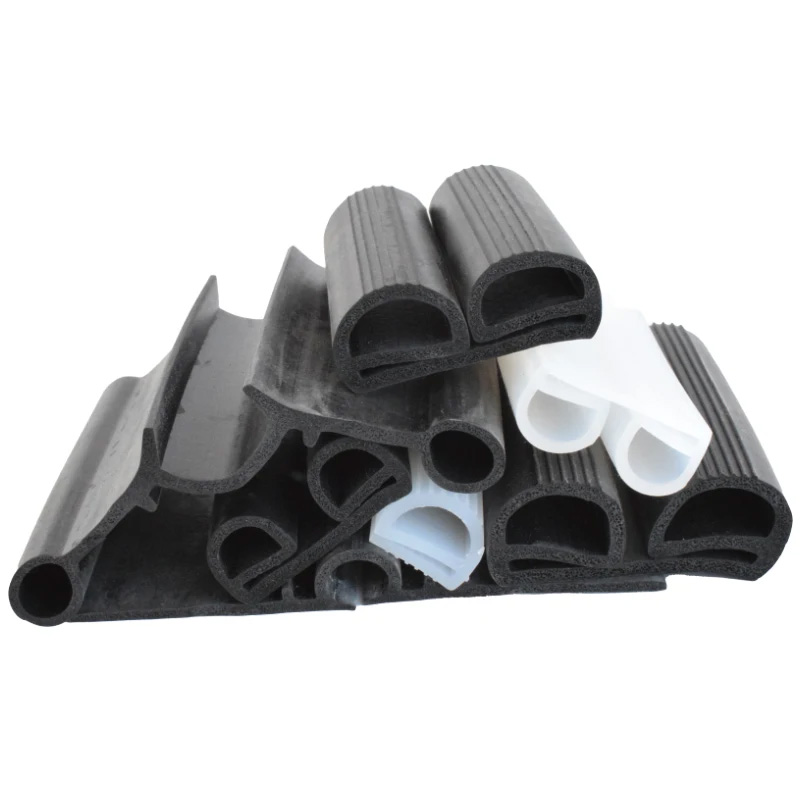
Garage Door Rubber T Seal - Durable Weatherproof Sealing Solutions
Garage Door Rubber T Seal: Industry Insights From Years On The Ground
Having spent a good chunk of my career in the industrial equipment sector, I’ve grown particularly fond of the little details that often go unnoticed. One such detail? The garage door rubber T seal. Now, you might wonder why this humble piece of rubber gets so much attention when there’s flashier tech out there. Frankly, it’s because this tiny component plays an outsized role in garage door performance, durability, and even energy efficiency.
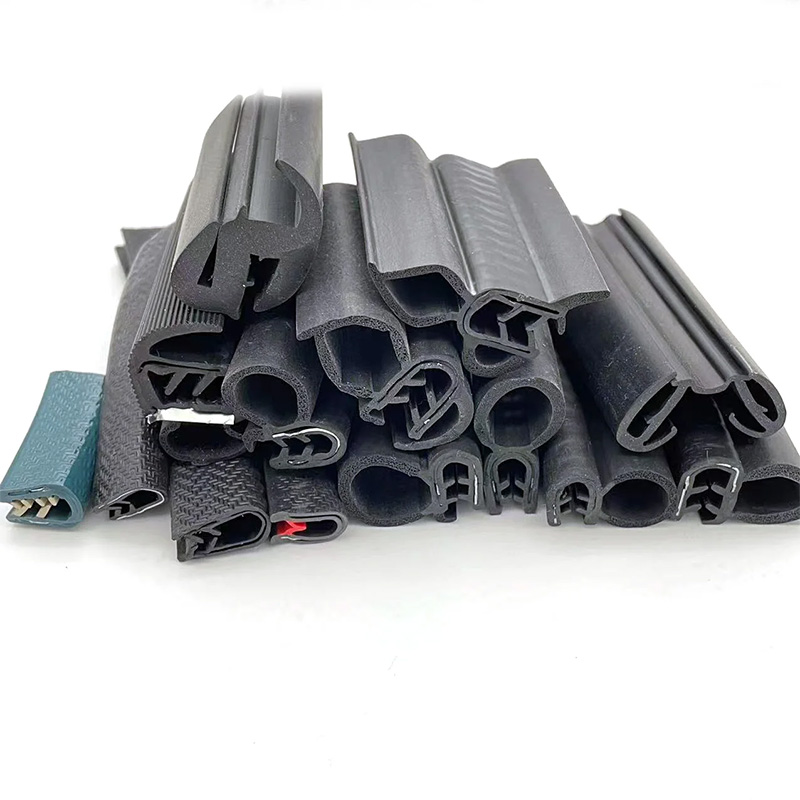
Oddly enough, despite its simple appearance, the design and material science behind the T seal can be surprisingly sophisticated. In real terms, the main job is straightforward: seal the gap at the bottom or sides of the garage door to prevent drafts, dust, water, and pests from sneaking in. But the exact profile—a T shape—is intentional, offering a snug, compressible fit that holds up well over time.
Speaking of materials, most quality T seals use EPDM rubber, known for excellent weather resistance and flexibility. I noticed that not all vendors are equal here; some try to cut costs with inferior blends, only for their seals to crack or harden after a few winters. That’s why testing for UV exposure, ozone resistance, and temperature ranges is so crucial — because, frankly, a seal that fails in harsh weather isn’t just a nuisance, it can cause real damage to the door system.
| Specification | Details |
|---|---|
| Material | EPDM Rubber (Ethylene Propylene Diene Monomer) |
| Temperature Range | -40°C to 120°C (-40°F to 248°F) |
| Hardness | 50-70 Shore A |
| Color | Black (standard), customizable on request |
| Length | Typically 10-20 meters per roll |
| Profile Shape | T-shaped for tight sealing |
Now, the market for these seals is surprisingly competitive. I’ve worked with several suppliers, and it’s clear that reliability versus cost is the age-old balancing act. Here’s a quick side-by-side I put together for a few well-known industry vendors — something to chew on if you’re hunting for the right product.
| Vendor | Material Quality | Customization | Typical Lead Time | Price Range |
|---|---|---|---|---|
| XTShuoding | High-grade EPDM, UV and weather resistant | Full custom profiles & colors | 2-3 weeks | Moderate |
| Vendor B | Standard EPDM, limited weather resistance | Limited customization | 1 week | Low |
| Vendor C | Premium silicone option also available | Custom color & shape | 4-5 weeks | High |
I recall one client—a small warehouse owner—who was struggling with excessive drafts causing temperature fluctuations that wrecked some stored goods. After switching to a quality rubber T seal from XTShuoding, the difference was night and day. Less dust, quieter closing, and noticeably more insulation. You know, it feels like these seals rarely get the spotlight, but in that case, the impact was huge.
To wrap this up, if you’re sourcing garage door seals, keep in mind it’s not just about picking the cheapest option. The durability, testing standards, and willingness of the vendor to customize to your needs count a lot. The seal often outlasts many other parts, so investing in quality really pays dividends.
In the end, it’s the little things like a trusty garage door rubber T seal that keep operations running smoothly—and that’s something that experience in this industry has taught me time and again.
References:1. EPDM Rubber Properties & Uses, Rubber Manufacturers Association
2. Industry Case Study: Garage Door Seals Impact, Equipment Today Magazine
3. Manufacturer Datasheets - XTShuoding and Competitors
Share
-
Eco Friendly Drawstring Jute Bag Guide for Sustainable PackagingNewsApr.16,2026
-
Elegant Wedding Jute Bags for Sustainable and Rustic Event PackagingNewsApr.09,2026
-
Sustainable Jute Bags for Coffee Packaging and Branding SolutionsNewsApr.07,2026
-
Explore the Benefits of Sustainable Saran Jute Bags for Your BusinessNewsApr.04,2026
-
Sustainable Jute Soap Bags Packaging Solutions for Eco Friendly BrandsNewsMar.31,2026
-
Discover the EcoFriendly Charm of Jute Favor Bags for Every OccasionNewsMar.28,2026