Exploring the Versatility and Benefits of Japanese Jute Bags for Various Industries
Exploring the Versatility of Japanese Jute Bags
Japanese jute bags, known for their durability, eco-friendliness, and rustic charm, are gaining popularity in international trade. These bags aren't just containers; they represent a commitment to sustainable practices and a unique aesthetic. This article delves into the benefits, uses, sourcing, and the growing market for Japanese jute bags, offering insights for businesses looking to incorporate them into their product lines. We'll explore why they're a compelling choice for various industries, from agriculture to fashion.
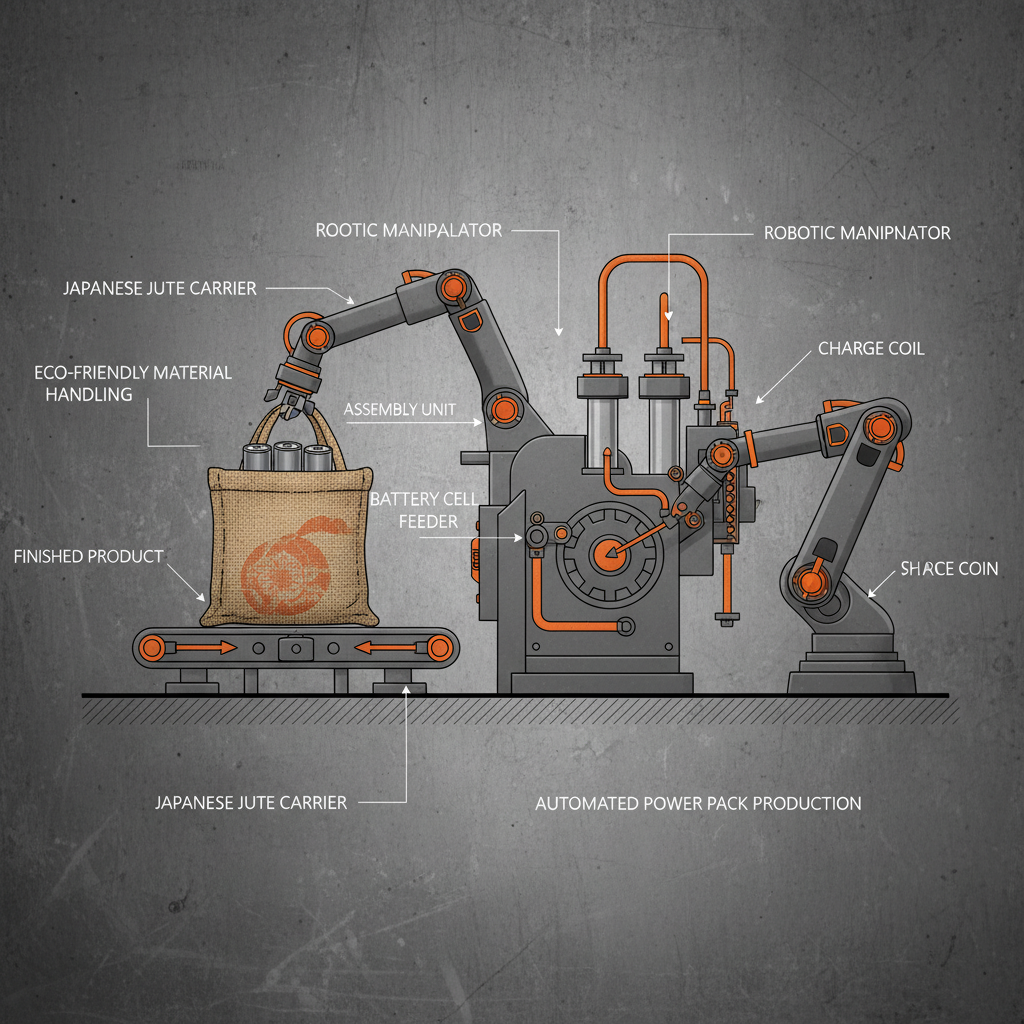
What Makes Japanese Jute Bags Unique?
Japanese jute bags distinguish themselves through a combination of traditional craftsmanship and high-quality jute fiber. Japanese manufacturers often employ meticulous weaving techniques resulting in a tighter, more durable weave compared to jute bags from other regions. This attention to detail extends to the finishing, with stronger stitching and more robust handles. Beyond the quality, the aesthetic is often characterized by a refined simplicity, appealing to consumers seeking a natural and understated look. These bags aren't simply functional; they're a statement about ethical and sustainable choices. Sourcing from reputable suppliers like XT Shuoding ensures you're getting a product that embodies these values.
Key Highlights: Japanese jute bags are renowned for their quality, durability, and unique aesthetic, making them a sustainable and stylish choice.
Applications Across Industries
The versatility of Japanese jute bags allows for widespread application across diverse industries. In agriculture, they're commonly used for packing grains, coffee beans, and other agricultural products, offering excellent breathability and preventing moisture buildup. The fashion industry utilizes them for creating trendy tote bags, purses, and other accessories. The retail sector often uses them as eco-friendly shopping bags and packaging solutions. Additionally, they’re popular in the home décor market for creating rustic-style storage containers and decorative items. XT Shuoding provides a wide range of jute bags tailored to these specific applications.
Application Benefits:
• Excellent for agricultural packing
• Ideal for fashion accessories
• Eco-friendly retail packaging
• Versatile for home décor
Japanese Jute Bags vs. Other Bag Materials: A Comparison
When considering packaging or product bags, it's important to compare jute to other common materials. While plastic offers lower upfront costs, it comes with significant environmental drawbacks. Cotton is more sustainable but generally more expensive than jute and requires more water to produce. Compared to synthetic materials, jute is biodegradable and requires fewer resources to grow. Japanese jute bags stand out due to their superior weave and durability, offering a longer lifespan than many alternatives. Choosing jute, and specifically Japanese jute, demonstrates a commitment to both quality and environmental responsibility.
Sourcing Japanese Jute Bags: Key Considerations
When sourcing Japanese jute bags, it's crucial to work with a reliable supplier. Consider factors like minimum order quantities, lead times, customization options, and quality control procedures. Verify the supplier's commitment to ethical sourcing and fair labor practices. XT Shuoding offers competitive pricing, customizable options, and a strong commitment to quality, making them an ideal partner for your sourcing needs. Ensure clear communication regarding your specific requirements, including bag size, weave density, handle length, and any desired printing or embellishments.
The Future of Jute: A Sustainable Choice
As consumer demand for sustainable products continues to grow, the market for jute bags, particularly those from Japan, is poised for further expansion. Jute’s biodegradability, renewability, and low environmental impact make it a compelling alternative to synthetic materials. The increasing awareness of the environmental consequences of plastic waste is driving demand for eco-friendly packaging solutions, and Japanese jute bags are perfectly positioned to meet this demand. Investing in Japanese jute bags is not just a business decision; it's a commitment to a more sustainable future.
Conclusion: Embracing Sustainable Packaging with Japanese Jute Bags
Choosing Japanese jute bags signifies a commitment to quality, sustainability, and ethical sourcing. Their versatility, durability, and eco-friendly nature make them an ideal choice for businesses across various industries. As the demand for sustainable packaging solutions continues to rise, incorporating jute bags into your product line is a smart and responsible business decision.
Frequently Asked Questions (FAQs)
What is the typical lead time for a custom order of Japanese jute bags?
Lead times vary depending on the order quantity, customization complexity, and current production schedule. Generally, for standard orders, the lead time is between 4-6 weeks. More complex customizations, such as intricate printing or specific weave patterns, may require a longer lead time. It's always best to discuss your specific requirements with XT Shuoding during the initial consultation to get an accurate estimate.
Can Japanese jute bags be customized with printing?
Yes, Japanese jute bags can be customized with various printing options, including screen printing, heat transfer printing, and digital printing. The choice of printing method depends on the design complexity, color requirements, and order quantity. XT Shuoding offers a range of printing services to meet your branding needs, ensuring high-quality and durable prints.
What are the minimum order quantities (MOQs) for Japanese jute bags?
Minimum order quantities (MOQs) vary depending on the bag size, customization requirements, and the specific supplier. Generally, the MOQ for standard jute bags is around 500-1000 pieces. However, XT Shuoding is flexible and can accommodate smaller orders for certain products. It's best to inquire directly about MOQ for your specific needs.
Are Japanese jute bags suitable for food packaging?
Yes, Japanese jute bags can be used for food packaging, particularly for dry goods like grains, coffee beans, and spices. However, it's important to ensure that the bags are internally lined with a food-grade material to prevent contamination and maintain freshness. XT Shuoding can provide jute bags with appropriate food-grade linings to meet food safety standards.
Share
-
Eco Friendly Drawstring Jute Bag Guide for Sustainable PackagingNewsApr.16,2026
-
Elegant Wedding Jute Bags for Sustainable and Rustic Event PackagingNewsApr.09,2026
-
Sustainable Jute Bags for Coffee Packaging and Branding SolutionsNewsApr.07,2026
-
Explore the Benefits of Sustainable Saran Jute Bags for Your BusinessNewsApr.04,2026
-
Sustainable Jute Soap Bags Packaging Solutions for Eco Friendly BrandsNewsMar.31,2026
-
Discover the EcoFriendly Charm of Jute Favor Bags for Every OccasionNewsMar.28,2026