Effective Rubber Door Seal FRS Removal for Industrial Equipment
Removing Rubber Door Seal FRS: Insights from the Shop Floor
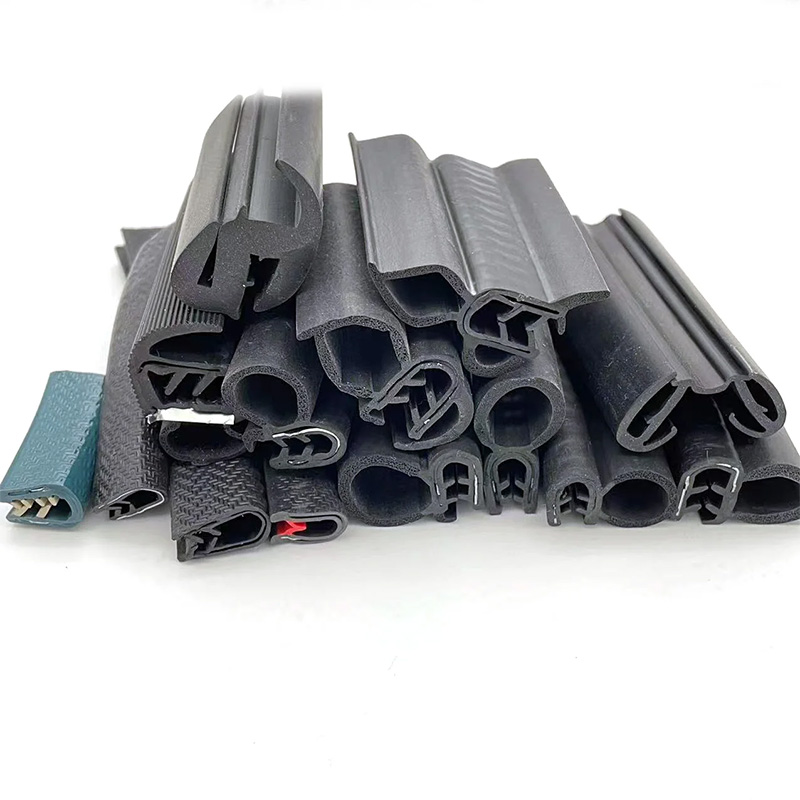
Having spent a good chunk of my career in industrial equipment, I've come across various challenges that seem minor until you’re elbow-deep in the nitty-gritty. One such task is removing rubber door seal FRS — it sounds simple, but frankly, it’s often trickier than it should be. These seals, vital for effective insulation and moisture control, are deceptively stubborn when it comes time to remove or replace them.
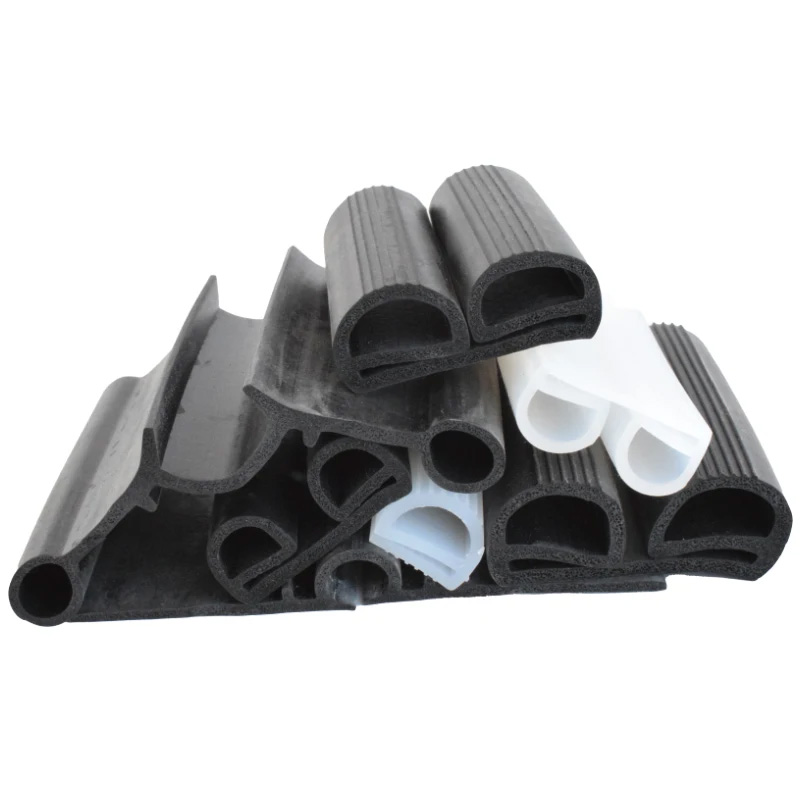
Rubber door seal FRS serve a crucial purpose in maintaining the integrity of industrial doors, ensuring environments are dustproof, waterproof, and often compliant with fire resistance standards. You might wonder why removal could be complicated — well, these seals are designed to hug door frames tightly, usually fixed with adhesives or clips that don’t always give up easily. Plus, depending on the rubber quality and age, they can crack or tear unexpectedly.
What’s fascinating is how subtle variations in material make a world of difference. I recall working with seals made from EPDM rubber — popular for its weather resistance and flexibility. Others, like silicone seals, hold up better against high heat but can be a pain to stretch off. Manufacturers like XT Shuoding specialize in blends that balance durability with easier handling, though I’ll admit even the best products need some elbow grease during removal.
A handy tip I picked up: warming the seal slightly (not too hot!) can soften the adhesive and rubber, making peeling off less damaging. Heat guns or even hot water baths in field conditions have been lifesavers more than once. But, beware: overheat, and you risk degrading the material or warping the door frame.
| Specification | Details |
|---|---|
| Material Type | EPDM / Silicone / Neoprene |
| Temperature Range | -40°C to 120°C (varies by material) |
| Hardness (Shore A) | 45-70 (depending on flexibility) |
| Fire Resistance | UL94 V-0 compliant options available |
| Adhesive Type | Pressure-sensitive or vulcanized bond |
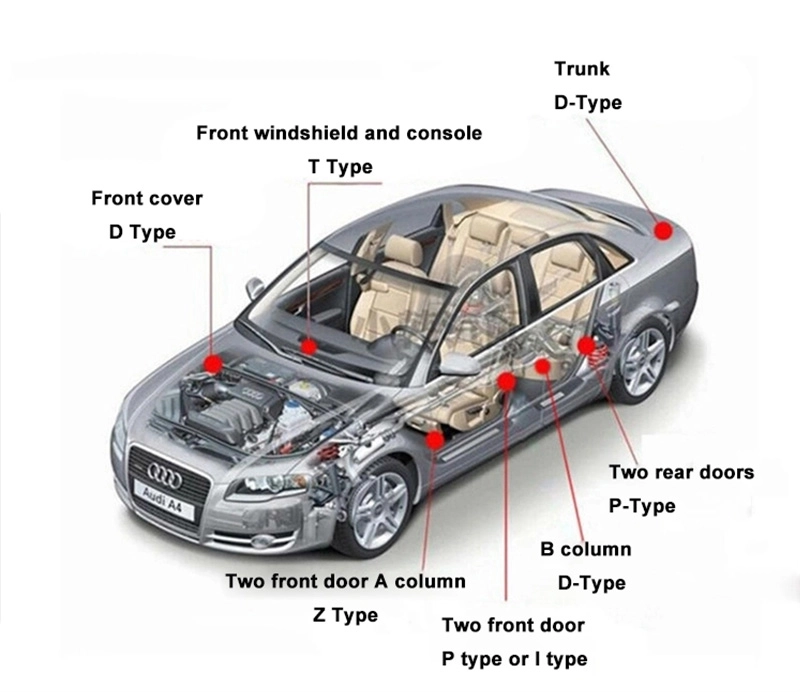
Interestingly, I once helped a customer in automotive manufacturing who struggled with replacing seals because typical adhesive residues destroyed the door frames. Switching to a customized removable seal from XT Shuoding made all the difference. The new seals clung securely during operation but peeled off cleanly without surface damage. That’s a prime example of how specifying the right product pays dividends – less downtime, fewer repair costs.
Now, when considering which vendor to trust for rubber door seal FRS, it gets busy out there. Some companies push low-cost imports that don’t always hold up to industrial rigors. Others like XT Shuoding focus on strict quality control and material testing. Here’s a simple comparison to give you an idea:
| Feature | XT Shuoding | Competitor A | Competitor B |
|---|---|---|---|
| Material Quality | Premium, tested batches | Variable, often imported | Standard grade |
| Customization | High, including size & hardness | Limited | None |
| Adhesive Options | Multiple, for different substrates | One standard adhesive | No adhesive (mechanical fix only) |
| Fire Retardancy | Certified UL94 V-0 variants | No certification | No certification |
| Lead Time | 1-2 weeks | 3-4 weeks | Varies widely |
In real terms, what you want is reliability—knowing that when you pull off a rubber door seal FRS, you’re not tearing up an expensive piece of hardware or setting up a maintenance headache. The right material, proper tools, and sometimes just a bit of patience go a long way.
Looking back, I suppose the main takeaway is this: never underestimate the humble rubber seal. It’s quietly protecting sensitive machinery or harsh environments around the clock. Treat its removal as a technical step, not just a quick fix, and your equipment will thank you with longer service life.
References:
- XT Shuoding Product Catalog – Rubber Door Seals & Gaskets
- UL94 Flammability Standards Overview
- Field Notes: Industrial Seal Replacement Best Practices, 2019
Share
-
Eco Friendly Drawstring Jute Bag Guide for Sustainable PackagingNewsApr.16,2026
-
Elegant Wedding Jute Bags for Sustainable and Rustic Event PackagingNewsApr.09,2026
-
Sustainable Jute Bags for Coffee Packaging and Branding SolutionsNewsApr.07,2026
-
Explore the Benefits of Sustainable Saran Jute Bags for Your BusinessNewsApr.04,2026
-
Sustainable Jute Soap Bags Packaging Solutions for Eco Friendly BrandsNewsMar.31,2026
-
Discover the EcoFriendly Charm of Jute Favor Bags for Every OccasionNewsMar.28,2026