Durable Driver Side Door Rubber Seal for Industrial Equipment | XTSHuoDing
Why Choosing the Right driver side door rubber seal Matters in Industrial Equipment
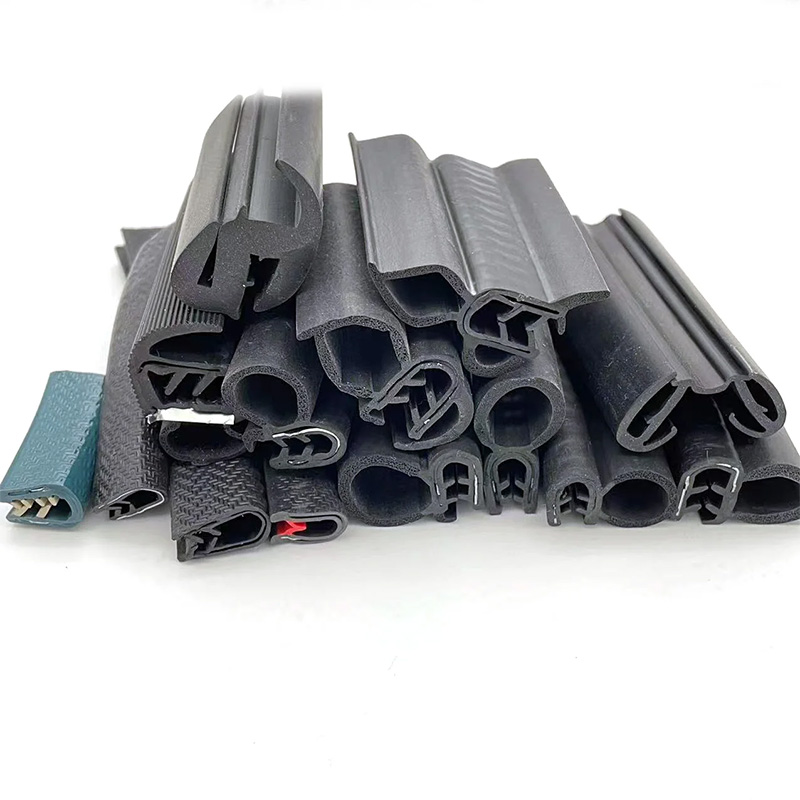
Having spent over a decade in industrial equipment maintenance and manufacturing, I've come to appreciate the little details that keep machines running smoothly—and the driver side door rubber seal is one of those unsung heroes. It might sound mundane, but honestly, the quality and design of these seals impact a lot more than just door closure. They’re a frontline defense against dust, water, noise, and even vibration, especially in rugged environments where industrial vehicles and heavy equipment see daily abuse.
Oddly enough, not every rubber seal is made equal. Materials, thickness, and design nuances decide whether it’ll hold up under long shifts or crack after a few months. I’ve seen some seals easily degrade under extreme temperature swings or when exposed to chemicals used on factories or roadways. That’s why selecting a seal made with high-grade EPDM rubber—or similar synthetic compounds—is paramount. It resists UV, ozone, and keeps flexibility intact over time.
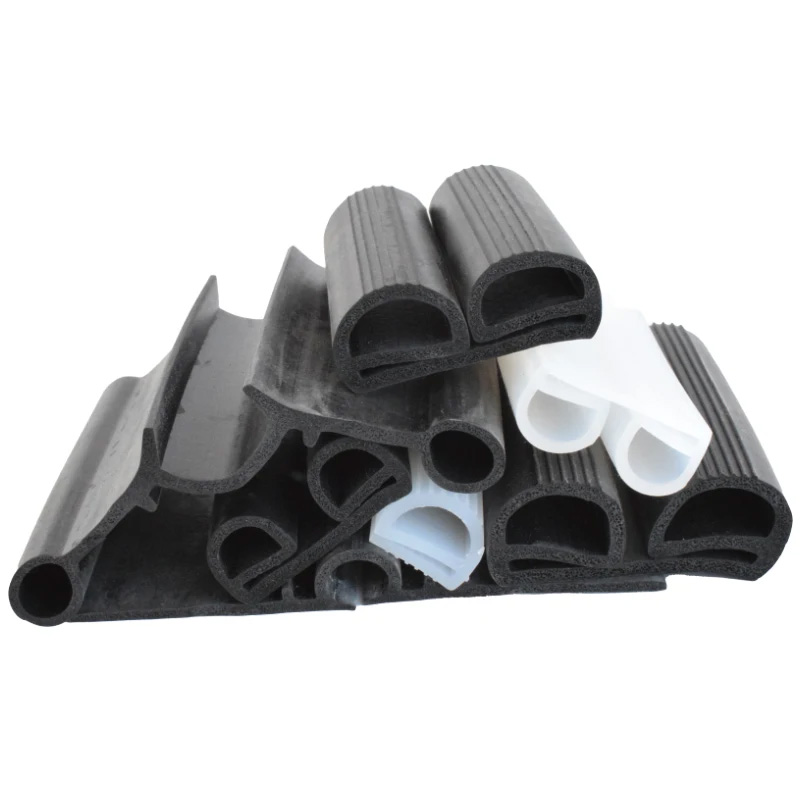
Frankly, even the best seal can’t perform if it’s not tailored for the model of the vehicle or equipment in question. Custom gasket profiles or varying cross-sectional shapes can make all the difference. For instance, a profile that compresses just right can reduce noise more effectively, which operators definitely appreciate during long shifts. I remember a client who swapped out a generic seal for a custom-fit one—they immediately noticed less dust infiltration and fewer complaints about rattling doors.
Speaking of design, these seals often undergo rigorous testing—compression set resistance, weathering endurance, and even adhesion verification (for those requiring bonding to metal). For anyone working in the industrial sector, trusting suppliers who provide detailed specs and testing results can save a lot of headache. Transparency is key, you know?
Driver Side Door Rubber Seal - Typical Product Specifications
| Specification | Details |
|---|---|
| Material | EPDM Rubber (or Silicone Options) |
| Temperature Range | -40°C to 120°C |
| Hardness | Shore A 60-70 |
| UV & Ozone Resistance | Excellent (tested to 1000+ hours) |
| Installation Type | Clip-on, adhesive-backed, or mechanical fastening |
When I first got my hands on seals like these, I immediately noticed the difference in fit and finish compared to off-the-shelf options. They’re thicker in precise areas to provide a better air and water-tight seal but remain flexible enough for quick installation or replacement. Honestly, this balance isn’t always easy to strike.
Comparing Top Vendors for Driver Side Door Rubber Seals
| Vendor | Material Quality | Customization | Pricing | Lead Time |
|---|---|---|---|---|
| XTSHuoDing | High-grade EPDM with consistent quality | Full profile & size customization available | Competitive (bulk discounts apply) | 2-3 weeks (standard), expedited on request |
| Vendor B | Standard EPDM, mixed reviews on durability | Limited customization | Lower upfront cost but less reliable | 3-4 weeks |
| Vendor C | Silicone options, good weather resistance | Customization on request only | Higher price range | 4-6 weeks |
From my experience, partnering with a vendor like XTSHuoDing often makes the difference between a quick fix and a long-term solution. They’re not just pushing product; their engineering support and quality control add real value. Plus, you get that peace of mind knowing each batch is tested beyond typical standards, which isn’t always the case out there.
In real terms, the right driver side door rubber seal can mean fewer maintenance callbacks, less downtime, and frankly, a happier crew. When a piece of equipment seals properly against the elements, you’re effectively protecting pricey components and simplifying cleaning. Small things, but they add up.
So, next time you’re sourcing rubber seals, consider diving a bit deeper into materials and vendor credentials. I know the industrial equipment world likes to move fast, but this subtle investment in quality goes a long way.
A quick note: while EPDM is generally excellent for door seals, some extremely specialized environments might call for alternatives—always best to double-check your operating conditions.
To wrap up, driver side door rubber seals are more than just accessories; they’re vital components that protect, insulate, and preserve your equipment’s integrity. Choose wisely, and you’ll thank yourself later.
References:
1) ASTM D2000 Rubber Standards
2) EPDM Weathering Performance Data, Midwest Materials Inc.
3) Insider Interviews with Industrial Fleet Managers (2023)
Share
-
Eco Friendly Drawstring Jute Bag Guide for Sustainable PackagingNewsApr.16,2026
-
Elegant Wedding Jute Bags for Sustainable and Rustic Event PackagingNewsApr.09,2026
-
Sustainable Jute Bags for Coffee Packaging and Branding SolutionsNewsApr.07,2026
-
Explore the Benefits of Sustainable Saran Jute Bags for Your BusinessNewsApr.04,2026
-
Sustainable Jute Soap Bags Packaging Solutions for Eco Friendly BrandsNewsMar.31,2026
-
Discover the EcoFriendly Charm of Jute Favor Bags for Every OccasionNewsMar.28,2026