Comprehensive Guide to Rubber Door Frame Seals: Benefits, Uses & Innovations
The Quiet Hero of Everyday Comfort: Understanding Rubber Door Frame Seals
At first glance, a rubber door frame seal might sound like a rather niche topic—perhaps something relevant only to window fitters or building contractors. But if you think about it, these unassuming strips of rubber are quietly essential worldwide, helping control energy use, keep out dust, prevent water leaks, and even protect lives in extreme weather conditions. In a world increasingly fixated on sustainability, energy efficiency, and comfort, appreciating the humble rubber seal is really a step towards smarter building and better resource management.
So what’s so special about these strips sticking out from door frames? And why are they gaining focus from industry players and sustainability experts alike? Well, it turns out that understanding rubber door frame seals illuminates critical areas in construction, manufacturing, and even humanitarian responses—where a simple sealing solution can make a meaningful impact on safety, energy saving, and cost efficiency.
Global Context: Why Rubber Door Frame Seals Matter More Than Ever
One might not immediately link rubber seals to global sustainability goals, but it’s more connected than it seems. According to the International Energy Agency (IEA), buildings are responsible for about 30% of global energy consumption and CO2 emissions. Inefficient door and window frames are a major culprit in heat loss—making heating and cooling systems work overtime.
Even the United Nations’ Sustainable Development Goals implicitly embrace better building materials and technologies to curb energy waste, improve indoor comfort, and reduce environmental footprints. Rubber door frame seals, though often overlooked, are quietly a frontline defense in achieving these global imperatives. In fact, in cold climates or highly humid regions, a poor seal can lead to structural damage and elevated operational costs.
In practical terms, this means improved door frame seals directly affect heating bills, carbon emissions, and indoor air quality. They also answer the call for smarter, low-maintenance building components in an ever more complex global supply chain.
What Exactly Is a Rubber Door Frame Seal?
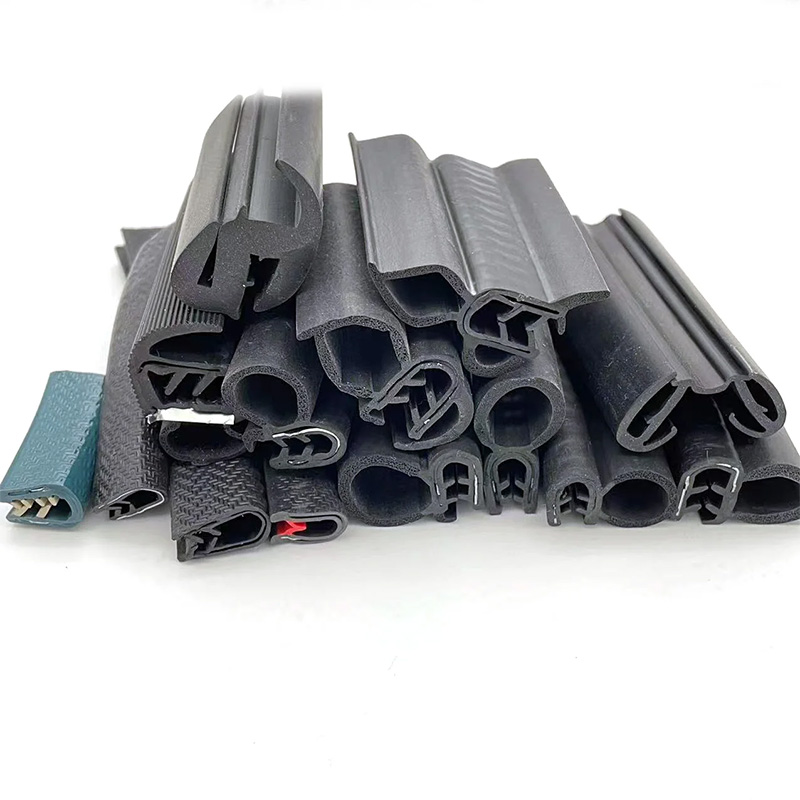
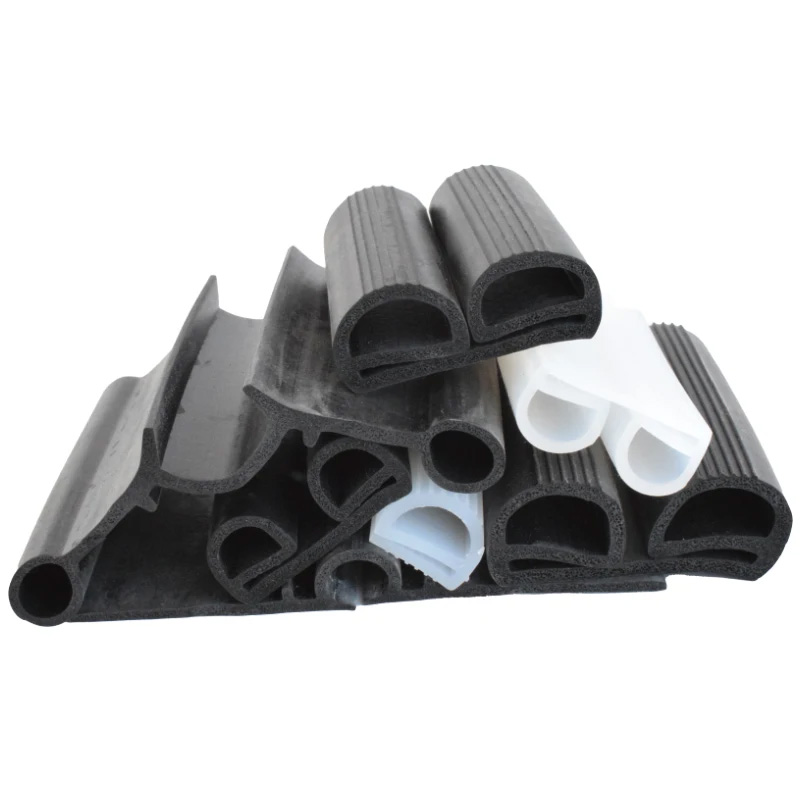
Put simply, a rubber door frame seal is a flexible strip, typically made from rubber or a rubber-like polymer, designed to fit snugly around a door’s edges. Its job? To create a tight barrier against air drafts, moisture intrusion, dust, noise, and even pests. This seemingly simple function improves insulation, extends a building’s lifespan, and enhances occupant comfort.
In the broader industrial or humanitarian context, these seals find use from residential housing to disaster relief shelters. For example, many fast-deployable emergency shelters rely on resilient door seals to ensure safety and weatherproofing under challenging conditions.
Core Features That Make Rubber Door Frame Seals Work
1. Durability and Weather Resistance
Most rubber seals are made from EPDM or silicone rubber, materials designed to withstand UV rays, ozone exposure, extreme temperatures, and moisture without cracking or losing elasticity. This durability translates to years of reliable performance, especially crucial in harsh climates.
2. Flexibility and Fit
Elasticity allows the seal to adapt to variation in door frames and to compress adequately, ensuring a consistent barrier even with frequent door use. Proper fit prevents air leaks, noise, and water ingress.
3. Thermal Insulation
The seal acts as a thermal break, preventing heat transfer through door gaps. This lowers energy consumption for heating or cooling and improves indoor comfort—especially relevant in both homes and industrial facilities.
4. Cost Efficiency
Compared to expensive window replacements or structural renovations, upgrading or installing quality rubber door seals is highly affordable. It’s an easy retrofit solution that pays for itself quickly in energy savings.
5. Environmental Impact
Many rubber door frame seals today use recycled materials or low-VOC compounds to minimize environmental impact, aligning with eco-friendly building codes and certifications like LEED.
Real-World Applications: Where Rubber Door Frame Seals Make a Difference
- Residential Buildings: Nearly every home benefits from seals to reduce drafts and noise, improving comfort and cutting utility bills.
- Commercial and Industrial Settings: Factories and warehouses rely on robust door seals to maintain controlled environments and protect against dust or contaminants.
- Disaster Relief Housing: NGOs deploying temporary shelters in flood-prone or cold regions use rubber seals to enhance shelter durability.
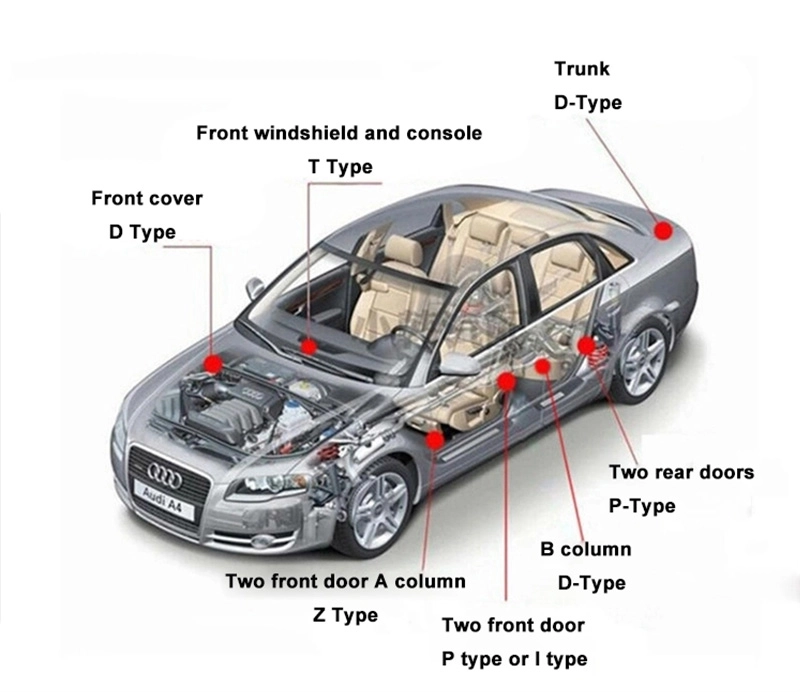
- Transportation: Vehicles from cars to trains use similar sealing technology for noise reduction and climate control.
- Green Building Projects: Certification-driven projects specify seals meeting stringent environmental and performance standards.
| Feature | Common Standard | Typical Range | Notes |
|---|---|---|---|
| Material | EPDM / Silicone | EPDM: 60-70 Shore A hardness | UV and ozone resistant |
| Operating Temperature | ISO 37 | -40°C to +120°C (EPDM) | Depends on compound |
| Compression Set | ASTM D395 | Ensures seal recovery | |
| Length per Roll | - | 10m, 25m, 50m | Custom sizes possible |
Comparing the Leading Rubber Door Frame Seal Vendors
| Vendor | Material Quality | Customization Options | Price Range | Lead Time |
|---|---|---|---|---|
| SealPro Ltd. | High-grade EPDM & Silicone | Profiles, Colors, Lengths | $$$ | 2-3 weeks |
| UrbanRubber Inc. | Standard EPDM | Limited thickness options | $ | 1-2 weeks |
| EcoSeal Co. | Recycled rubber blends | Custom eco-friendly profiles | $$ | 3-4 weeks |
The Long-Term Value of Choosing Quality Seals
Many engineers I’ve spoken to mention that investing in good rubber door frame seals isn’t just a short-term fix but a long-term gamechanger. Consider:
- Energy Savings: Proper sealing can reduce annual heating/cooling costs by up to 15%—a significant ROI.
- Structural Protection: Prevents rot, mold, and corrosion from moisture ingress, prolonging door and frame lifespan.
- Comfort & Safety: Creates a consistent indoor environment, reduces noise pollution, and supports fire/smoke containment regulations.
- Environmental Impact: Lowers carbon footprint by reducing energy demand and often incorporates recyclable materials.
In essence, the right seal is a silent partner to sustainability and wellbeing—a small virginian detail giving big expensive returns.
Emerging Trends in Rubber Door Frame Seal Technology
Advances keep coming. For instance:
- Smart Seals: Integrating sensors to detect leaks or wear, enabling predictive maintenance.
- Biodegradable Compounds: Research into seals that degrade harmlessly at end-of-life.
- Enhanced Thermal Barriers: Multi-layered seals combining rubber with insulating foams or gel fillers.
- Automation in Manufacturing: 3D printing and robotic extrusion improve customization and reduce waste.
It won’t be long before rubber door frame seals cross into “smart home” domains or become a standard feature of green building certification criteria.
Common Challenges and How Industry Experts Tackle Them
Like anything, rubber seals have their pitfalls:
- Material Degradation: Poorly formulated compounds degrade prematurely, especially in harsh UV exposure.
- Installation Errors: Incompatible or poorly fitted seals lead to gaps and reduced effectiveness.
- Supply Chain Variability: Inconsistent quality can affect performance, especially in emerging markets.
Experts emphasize selecting reputable manufacturers (see vendor comparison above), verifying material specs, and training installers properly. Plus, new test standards (ISO/ASTM) are helping benchmark seal durability better than before.
FAQ: Your Top Questions About Rubber Door Frame Seals
1. How long does a typical rubber door frame seal last?
With proper materials like EPDM and routine maintenance, seals can last 8 to 15 years, sometimes even longer. Exposure to extreme UV or chemicals can reduce lifespan.
2. Can I install rubber seals on my own doors?
Yes, many seals come with adhesive backing or fit into grooves for DIY installation. However, for best results—especially on commercial doors—professional installation is recommended.
3. Are rubber door frame seals eco-friendly?
Modern manufacturing often uses recycled materials and low-VOC compounds. Some brands emphasize sustainable sourcing and biodegradability as well.
4. Do rubber door seals help with soundproofing?
Absolutely. They reduce gaps that let sound pass through, improving noise insulation significantly, which is a big plus in urban environments.
5. How do I know if my door seal needs replacing?
If you notice drafts, water leaks, difficulty closing the door, or visible cracks/dryness in the seal, it’s time for a replacement.
In Conclusion: A Small Seal for Big Impact
So, here’s the gist: rubber door frame seals, those tiny strips hugging your door edges, quietly influence comfort, energy savings, and building durability worldwide. Their role hits security, sustainability, and economic efficiency all in one. As building standards get tighter and sustainability goals become more urgent, these seals emerge as practical, proven tools that help everyone—from homeowners to industrial giants—do better with less waste.
If you’re ready to upgrade your door sealing game, or want to explore smart sealing options, visit our website for trusted expertise and a range of quality products: rubber door frame seal.
References
Share
-
Eco Friendly Drawstring Jute Bag Guide for Sustainable PackagingNewsApr.16,2026
-
Elegant Wedding Jute Bags for Sustainable and Rustic Event PackagingNewsApr.09,2026
-
Sustainable Jute Bags for Coffee Packaging and Branding SolutionsNewsApr.07,2026
-
Explore the Benefits of Sustainable Saran Jute Bags for Your BusinessNewsApr.04,2026
-
Sustainable Jute Soap Bags Packaging Solutions for Eco Friendly BrandsNewsMar.31,2026
-
Discover the EcoFriendly Charm of Jute Favor Bags for Every OccasionNewsMar.28,2026