Comprehensive Guide to Flat Round Rubber Seals: Uses, Benefits & Innovations
Understanding Flat Round Rubber Seals: Why They Matter Globally
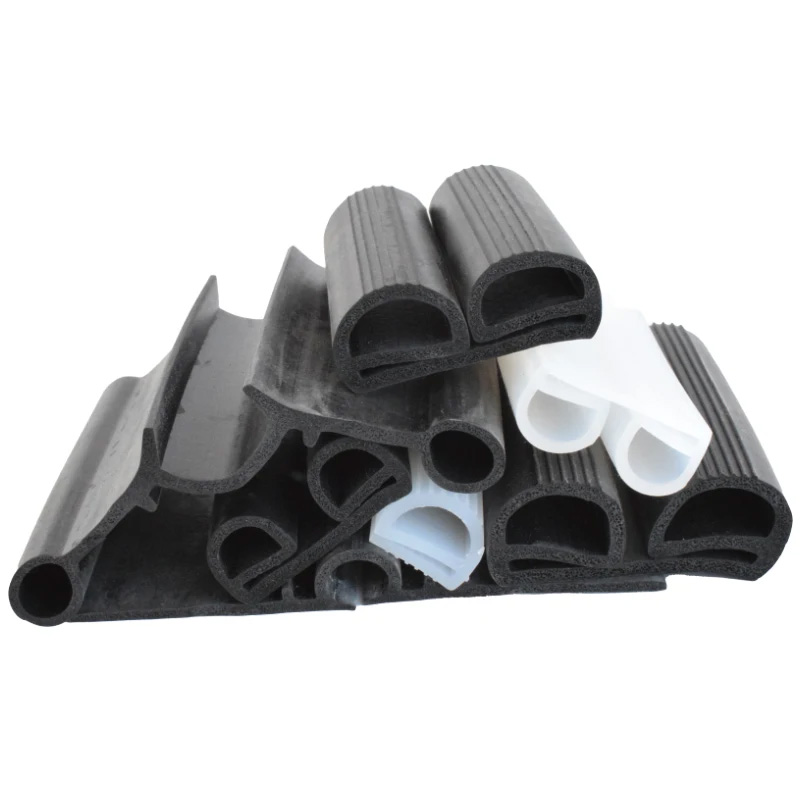
Flat round rubber seals might sound like a niche product, but their role in modern industry—and even humanitarian efforts—is surprisingly crucial. These seemingly simple components are the unsung heroes of countless machines and systems worldwide, sealing gaps, preventing leaks, and ensuring reliability. Understand them well, and you unlock a world of efficiency and safety that spans everything from automotive manufacturing to clean water systems in remote regions.
Introduction: The Global Importance of Flat Round Rubber Seals
Globally, flat round rubber seals form a fundamental part of mechanical systems that require leak-proof and tight sealing solutions. According to ISO standards on sealing technology, proper sealing can reduce equipment failure rates by up to 40%, positively impacting industries from aerospace to water treatment. The World Bank estimates that infrastructure failures, often resulting from poor sealing, cause billions of dollars in losses annually.1 Yet, the challenge remains: how to ensure these seals perform reliably in harsh, varied environments across the globe?
What Are Flat Round Rubber Seals?
In simple terms, flat round rubber seals are thin, disc-shaped rubber components designed to fit between two surfaces to prevent leaks of fluids or gases. They create a snug, durable barrier—think of them as the gasket’s versatile cousins. Made from materials like nitrile, silicone, or EPDM, these seals adapt to a range of temperatures and pressures, making them indispensable in everything from automotive engines to household appliances.
They also tie into larger humanitarian needs — for instance, providing reliable seals in water purification systems helps communities gain access to safe drinking water. It’s one of those quietly essential parts that keep the modern world running smoothly.
Key Factors of Flat Round Rubber Seals
Durability
The rubber compounds are formulated to resist wear and tear, chemical exposure, and temperature fluctuations. Durability directly affects a seal’s lifespan and reliability, which is vital for industries like oil & gas, where failure can be catastrophic.
Material Compatibility
Not all rubber is created equal. Choosing the right type (nitrile for oils, silicone for heat resistance) ensures seals meet specific industry needs without degrading prematurely.
Cost Efficiency
Flat round rubber seals offer a low-cost solution to sealing challenges. Their simple design makes them easy to produce and replace, which is particularly beneficial in large manufacturing plants or remote industrial zones.
Size and Scalability
These seals come in a wide range of diameters and thicknesses. This flexibility means they can be customized to suit both tiny electronics and huge mechanical assemblies alike.
Ease of Installation
Because they are flat and not overly complex, installation often requires minimal tooling or expertise—helpful in field repairs or fast-paced manufacturing lines.
Typical Specifications of Flat Round Rubber Seals
| Specification | Details |
|---|---|
| Material Types | Nitrile (NBR), EPDM, Silicone, Neoprene |
| Thickness Range | 0.5mm to 10mm |
| Outer Diameter Range | 5mm to 500mm |
| Temperature Resistance | -40°C to 200°C (depending on material) |
| Pressure Resistance | Up to 20 bar (varies) |
| Typical Applications | Hydraulics, Pneumatics, Plumbing, Automotive engines |
Mini takeaway: Flat round rubber seals are small but mighty. Their adaptability in materials and sizes makes them essential in both everyday products and advanced industrial equipment.
Global Applications and Use Cases
Oddly enough, these seals pop up everywhere—from high-tech aerospace applications in the U.S. and Europe to water-laden environments in Southeast Asia. For example:
- Post-disaster relief operations: Reliable sealing in water filtration units ensures safe drinking water reaches affected communities quickly.
- Remote industrial zones: Heavy machinery uses these seals to prevent oil leaks, ensuring continuous operation despite challenging conditions.
- Automotive manufacturing hubs: Consistent quality seals mean engines run smoothly for millions of vehicles globally.
Comparing Leading Flat Round Rubber Seal Suppliers
| Vendor | Material Options | Customization | Global Shipping | Price Range (USD per 100 pcs) |
|---|---|---|---|---|
| Xt Shuoding | NBR, EPDM, Silicone | Full Custom Sizes | Yes | $10 - $50 |
| SealTech Global | NBR, Neoprene | Limited Sizes | Yes | $15 - $60 |
| Rubber Solutions Inc. | Silicone, EPDM | Custom & Stock | No | $12 - $45 |
Xt Shuoding particularly stands out for its global shipping options and full customization — a real advantage if you need flat round rubber seals designed for very specific technical tasks.
Long-Term Advantages of Flat Round Rubber Seals
Beyond cost and ease of use, the broader impact includes improved safety — no more toxic leaks or mechanical failures. They also contribute to sustainability efforts by reducing waste; long-lasting seals cut down on frequent replacements. And emotionally, knowing that a tiny component plays a big part in maintaining your car’s engine or clean water supply can oddly inspire a bit of everyday trust in technology.
Looking Ahead: Innovations and Trends
Sustainable materials are making waves here — bio-based rubber blends and recyclable compounds aiming to reduce environmental impact. In addition, digital manufacturing (like 3D printing custom seals) is on the horizon, enabling rapid prototyping and tailored designs for niche applications.2 Automation in production also promises consistent quality control, vital when seals must not fail.
Challenges & Practical Solutions
One persistent issue is balancing seal softness (for effective sealing) with durability (to avoid frequent replacements). Experts often suggest hybrid materials or layered composites to overcome this. Another challenge lies in extreme environments — ultra-high heat or corrosive chemicals test limits. Here, silicone or fluorocarbon rubbers offer viable options but at a higher cost.
Partnering with experienced suppliers, like Xt Shuoding, ensures you get the right balance of specifications and price.
FAQ: Practical Questions About Flat Round Rubber Seals
- Q: What materials are best for flat round rubber seals in automotive engines?
A: Nitrile (NBR) is commonly used because it resists oils and fuels, offering durability under typical engine temperatures and pressures. - Q: How do I know if a flat round rubber seal fits my machinery?
A: Measure the exact diameter and thickness needed and consult with your supplier about material compatibility for your operating environment. - Q: Can flat round rubber seals withstand harsh chemicals?
A: Some materials like EPDM and fluorocarbon are chemically resistant, but selecting the right one depends on your specific chemicals and exposure levels. - Q: How do I maintain or replace these seals?
A: Regular inspections for cracks or deformations are key; replacement intervals vary by use, but proactive swaps prevent major failures.
Conclusion
At the end of the day, flat round rubber seals are deceptively simple but foundational to many systems that power our daily lives and critical infrastructure. Their reliability, cost-effectiveness, and versatility translate into real-world benefits ranging from safer machines to protected ecosystems. If you want to explore options or customize seals tailored for your projects, visit Xt Shuoding — a trusted industry leader.
Mini Takeaway: Sometimes the smallest parts hold the biggest importance — and flat round rubber seals are a classic example of that quietly essential impact.
References
Share
-
Eco Friendly Drawstring Jute Bag Guide for Sustainable PackagingNewsApr.16,2026
-
Elegant Wedding Jute Bags for Sustainable and Rustic Event PackagingNewsApr.09,2026
-
Sustainable Jute Bags for Coffee Packaging and Branding SolutionsNewsApr.07,2026
-
Explore the Benefits of Sustainable Saran Jute Bags for Your BusinessNewsApr.04,2026
-
Sustainable Jute Soap Bags Packaging Solutions for Eco Friendly BrandsNewsMar.31,2026
-
Discover the EcoFriendly Charm of Jute Favor Bags for Every OccasionNewsMar.28,2026